China Load Bank Tester Factory for Reliable Generator and Power System Testing
Chinese load bank tester factories produce reliable, high-accuracy equipment for generator and power...
Portable load banks are essential tools for verifying the performance, reliability, and safety of power generation systems—from small diesel generators to large-scale utility-grade units. These devices simulate real-world electrical loads by drawing power from the source under test, enabling engineers to validate critical parameters such as voltage regulation, frequency stability, thermal response, and fuel efficiency. A well-designed portable load bank allows for both resistive and reactive load testing, ensuring that generators operate correctly under varying power factor conditions, which is crucial for applications in data centers, hospitals, remote mining sites, and renewable energy integration projects.
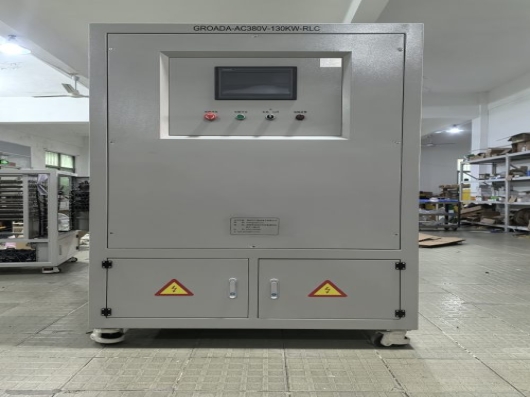
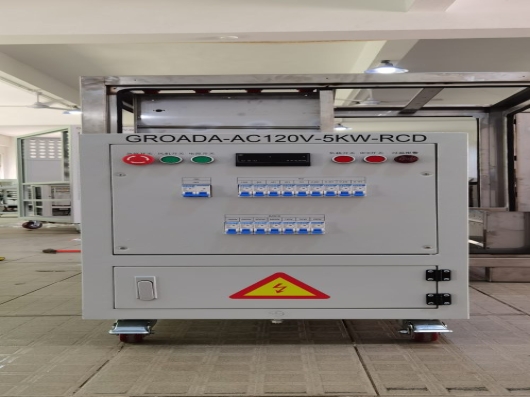
Resistive load banks provide pure resistance to the system, typically used for basic load testing where the primary goal is to assess engine and alternator performance at full load. Reactive load banks, on the other hand, introduce inductive or capacitive reactance—simulating motor loads or capacitor banks—and are essential for testing generator excitation systems and voltage regulators. Advanced models combine both resistive and reactive components (RLC load banks), allowing precise control over power factor and making them ideal for factory acceptance tests (FAT) and commissioning of three-phase systems.
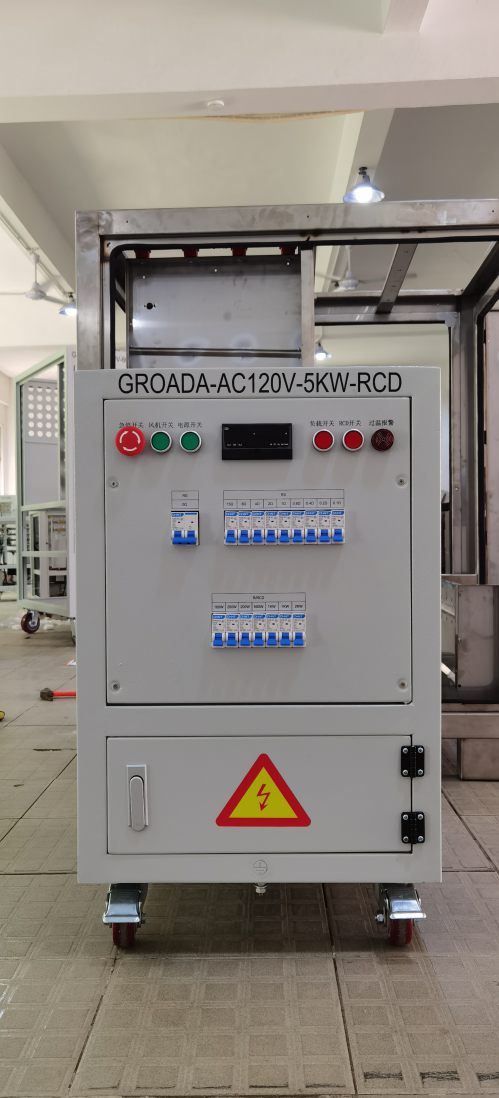
Modern portable load banks feature ruggedized enclosures (IP54 or higher), robust cooling systems (air or water), and intelligent control interfaces like Modbus RTU or Ethernet-based communication for remote monitoring. They comply with international standards such as IEC 60034-1 for electric machine testing and IEEE 115 for generator performance evaluation. Many units also include automatic thermal protection, short-circuit detection, and emergency stop functionality, enhancing operational safety during field deployments.
For example, an anonymized case study from a wind farm project in Northern Europe demonstrated how a 500 kW portable RLC load bank helped validate grid synchronization capabilities before commercial operation. The test confirmed stable voltage and frequency within ±1% tolerance over 8 hours at 90% load, leading to early identification of regulator issues that were corrected prior to grid connection. This prevented costly downtime and ensured compliance with local grid codes.
The design of portable load banks must account for portability, heat dissipation, and ease of use—often including lifting eyes, fork-lift pockets, and modular resistor blocks for quick replacement. Calibration intervals are typically annual or after major repairs, using certified equipment per ISO/IEC 17025 guidelines. Maintenance includes regular inspection of fan blades, contactor wear, and insulation resistance checks to maintain accuracy and longevity.
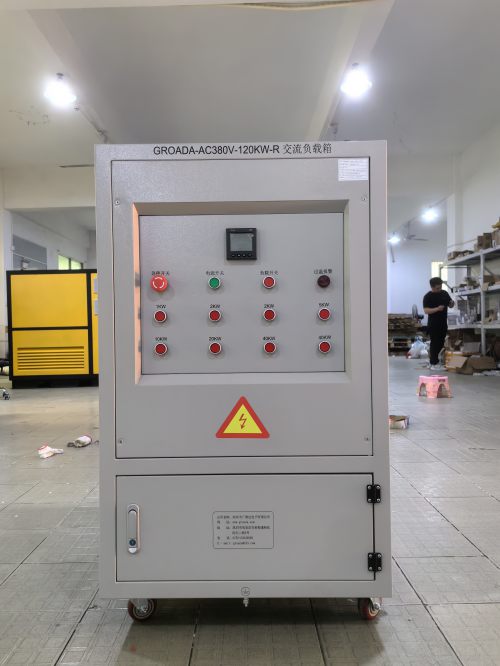
These tools are indispensable for predictive maintenance, commissioning, and compliance verification across industries ranging from construction and oil & gas to military and emergency power solutions. Their versatility and precision make them a cornerstone of modern power system validation strategies.
 01
01
Chinese load bank tester factories produce reliable, high-accuracy equipment for generator and power...
 02
02
Portable load banks enable accurate generator and UPS performance validation by simulating real-worl...
 03
03
A portable load bank ensures generator reliability by simulating real-world loads for performance va...
 04
04
Portable load banks enable accurate generator performance validation through resistive and reactive ...