China Load Bank Tester Factory for Reliable Generator and Power System Testing
Chinese load bank tester factories produce reliable, high-accuracy equipment for generator and power...
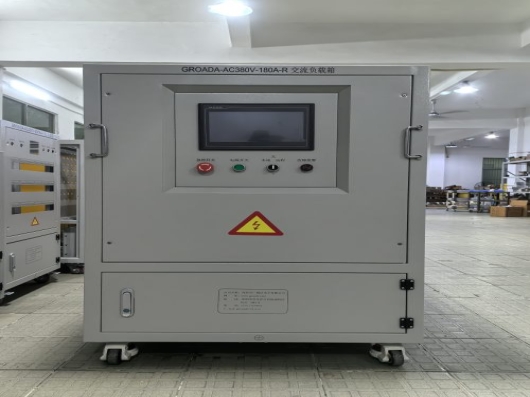
Portable load banks are essential tools for testing the performance, reliability, and safety of generators in industrial, commercial, and utility environments. These devices simulate real-world electrical loads to verify that a generator can handle full power demand under various operating conditions—such as during startup, transient events, or extended runtime. The introduction of portable load banks allows for flexible deployment across multiple sites without requiring permanent infrastructure, making them ideal for field service engineers, maintenance teams, and OEMs conducting factory acceptance tests (FAT) or commissioning new installations.
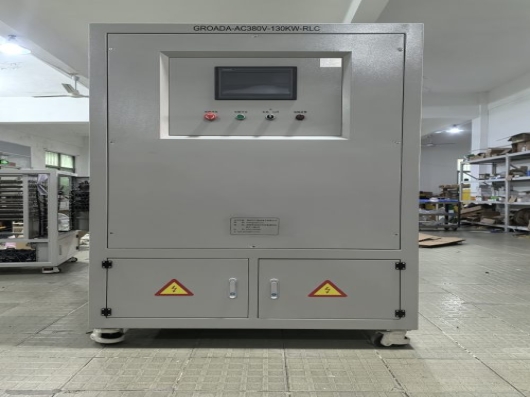
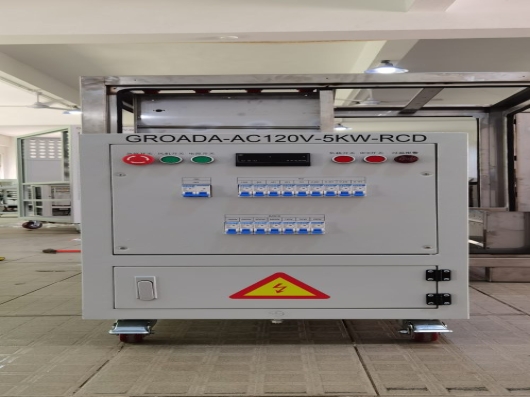
The main body of this article explores how resistive, reactive, and combination (RLC) load banks function differently and why selecting the right type depends on the application. Resistive load banks convert electrical energy into heat using high-power resistor blocks, commonly used for basic engine and alternator load testing. Reactive load banks introduce inductive or capacitive elements to simulate real-world power factors, especially critical when testing systems connected to nonlinear loads like UPS units or variable frequency drives (VFDs). Combination load banks provide both resistive and reactive capabilities in one unit—ideal for comprehensive generator system validation per IEC 60034-1 standards for motor and generator testing.
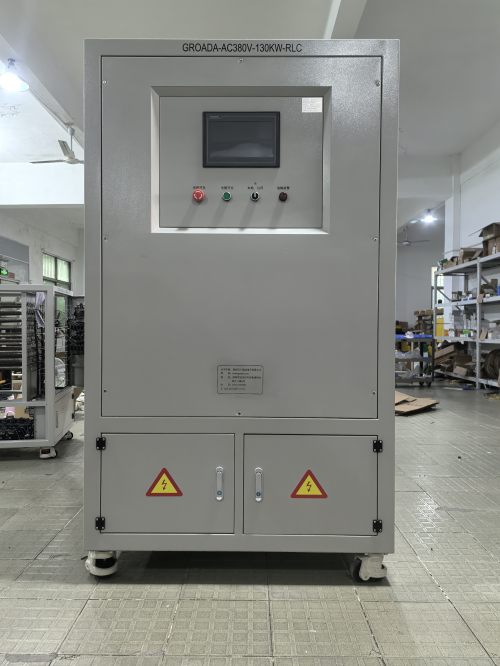
Modern portable load banks include advanced features such as remote monitoring via Modbus or Ethernet, thermal protection systems, and built-in digital meters for accurate measurement of voltage, current, active power, reactive power, and power factor. Safety certifications like CE, UL, and CCC ensure compliance with international electrical safety regulations. For example, an anonymized case study from a wind farm project showed that using a three-phase, 250 kW resistive-reactive portable load bank enabled engineers to identify a 7% drop in voltage regulation at partial load, leading to corrective adjustments before grid synchronization.
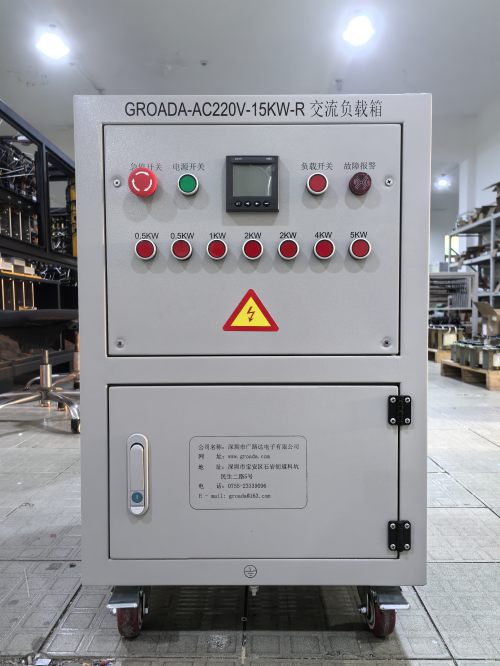
In conclusion, portable load banks are indispensable for ensuring generator readiness in diverse applications—from backup power systems in hospitals to renewable energy integration. Their portability, versatility, and precision make them not only practical but necessary for predictive maintenance and compliance with industry standards such as IEEE 1159 and IEC 60034-1. Proper selection, regular calibration, and adherence to safe operating procedures maximize their value across the generator lifecycle.
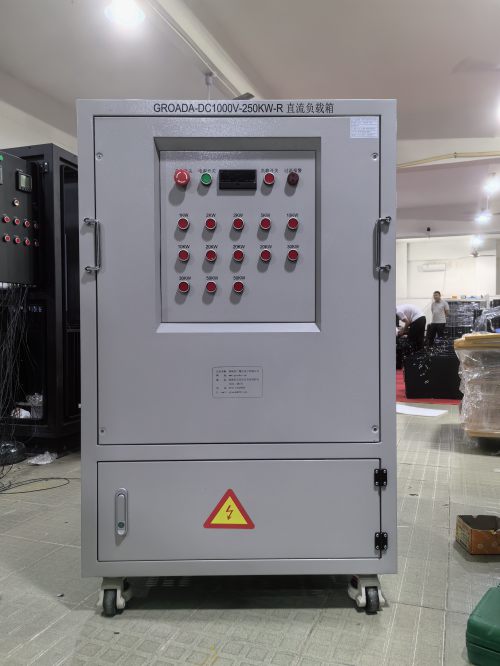
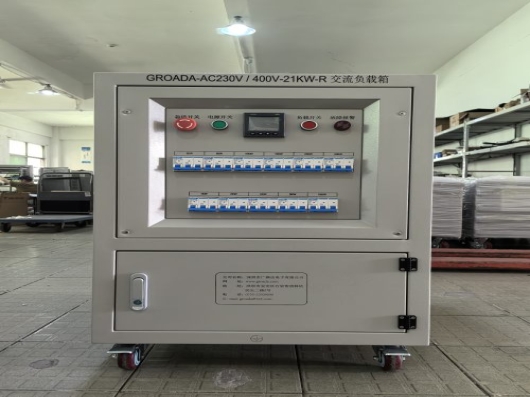 01
01
Chinese load bank tester factories produce reliable, high-accuracy equipment for generator and power...
 02
02
Portable load banks enable accurate generator and UPS performance validation by simulating real-worl...
 03
03
A portable load bank ensures generator reliability by simulating real-world loads for performance va...
 04
04
Portable load banks enable accurate generator performance validation through resistive and reactive ...