China Load Bank Tester Factory for Reliable Generator and Power System Testing
Chinese load bank tester factories produce reliable, high-accuracy equipment for generator and power...
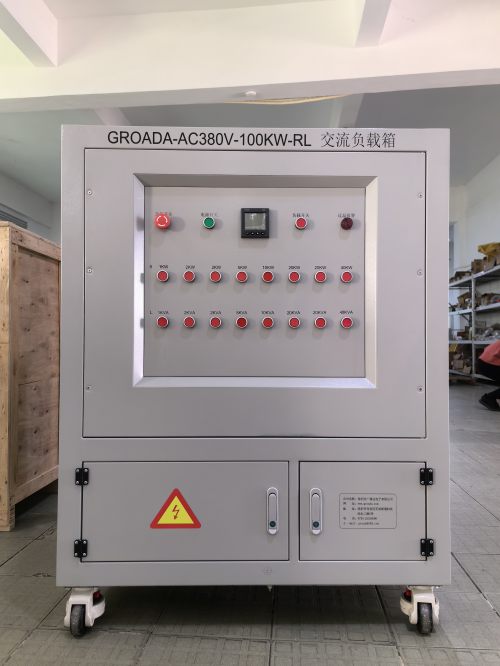
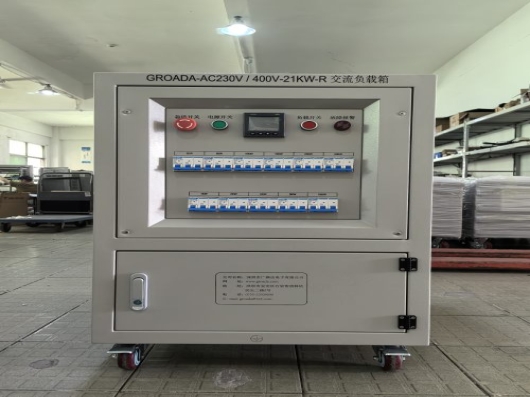
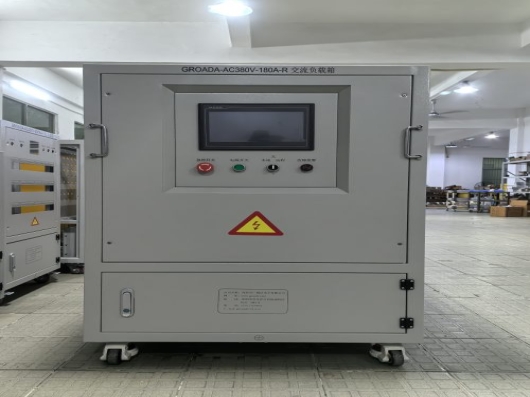
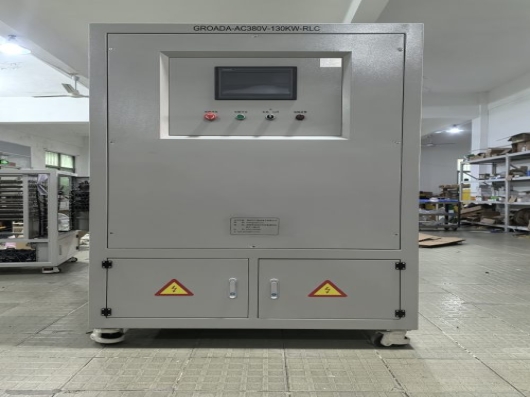
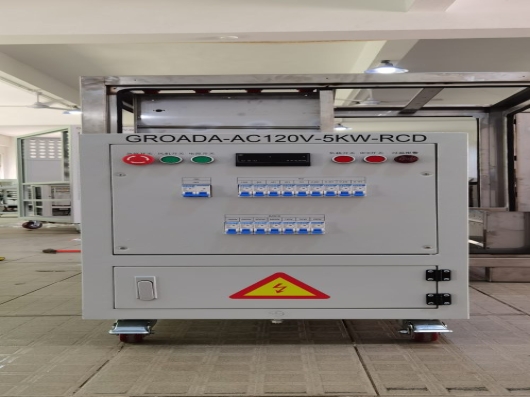
Portable load banks are essential tools in the testing and validation of power generation systems, particularly for generators used in critical infrastructure such as hospitals, data centers, and remote industrial sites. These devices simulate real-world electrical loads to ensure that a generator can perform reliably under full or partial load conditions. A typical resistive load bank draws current in phase with voltage, making it ideal for testing engine mechanical output and fuel efficiency, while reactive load banks—often inductive or capacitive—simulate inductive or capacitive loads found in motors or transformers. Combination (RLC) load banks offer the most versatile solution by enabling simultaneous testing of both active and reactive power components.
Practical applications include factory acceptance tests (FAT), commissioning of new generators, routine maintenance checks, and grid interconnection verification for renewable energy systems like wind farms or solar microgrids. For example, during FAT, a 500 kW three-phase resistive load bank may be used to verify that a diesel generator maintains stable voltage and frequency under 100% load for at least one hour, per IEC 60349-1 standards. In another case, an anonymized utility project in Australia used a portable reactive load bank to test a 2 MVA generator’s ability to handle lagging power factor loads (0.8 PF) before being connected to a regional distribution network.
Advantages of modern portable load banks include modular design for easy transport, precise control via Modbus RTU or Ethernet interfaces, built-in thermal protection, and real-time monitoring of voltage, current, power, and power factor. They also support remote operation, reducing on-site personnel needs. However, common issues include overheating due to inadequate airflow in enclosed spaces, incorrect load sequencing leading to uneven stress on generator components, and calibration drift over time—especially in high-humidity environments. Regular maintenance, including fan cleaning and resistor block inspection, is recommended every 6 months or after 500 hours of use.
Latest trends show increasing integration with IoT platforms for predictive maintenance and cloud-based performance analytics. Some manufacturers now offer smart load banks with automatic fault detection, self-diagnostic features, and compatibility with SCADA systems. These innovations reduce downtime and improve operational safety. Based on field data from 2023–2024, users report up to 30% faster troubleshooting times when using digitally enabled load banks compared to traditional analog models.
 01
01
Chinese load bank tester factories produce reliable, high-accuracy equipment for generator and power...
 02
02
Portable load banks enable accurate generator and UPS performance validation by simulating real-worl...
 03
03
A portable load bank ensures generator reliability by simulating real-world loads for performance va...
 04
04
Portable load banks enable accurate generator performance validation through resistive and reactive ...