China Load Bank Tester Factory for Reliable Generator and Power System Testing
Chinese load bank tester factories produce reliable, high-accuracy equipment for generator and power...
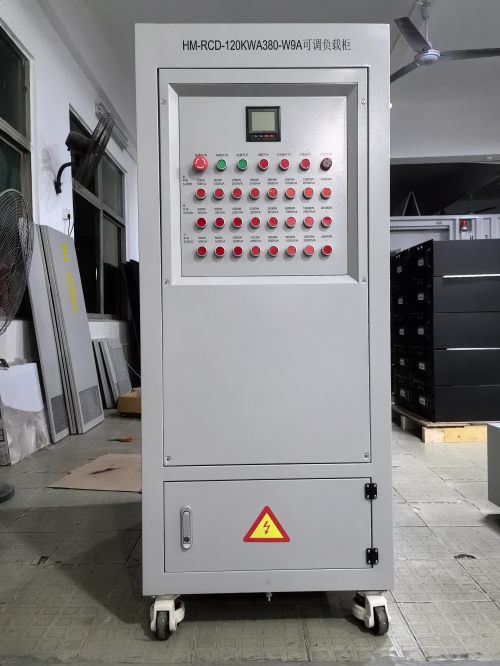
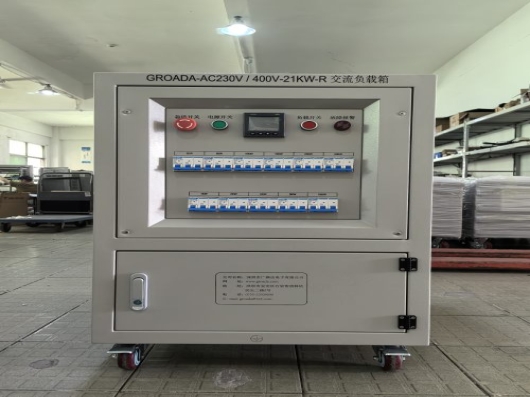
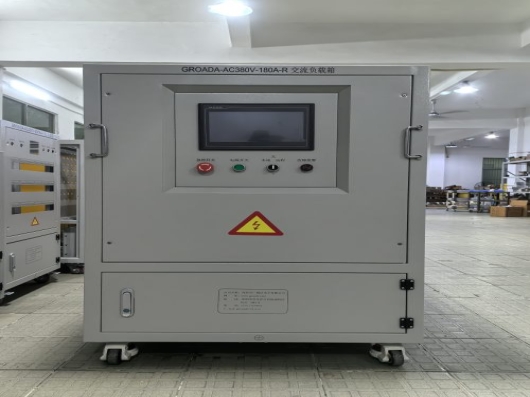
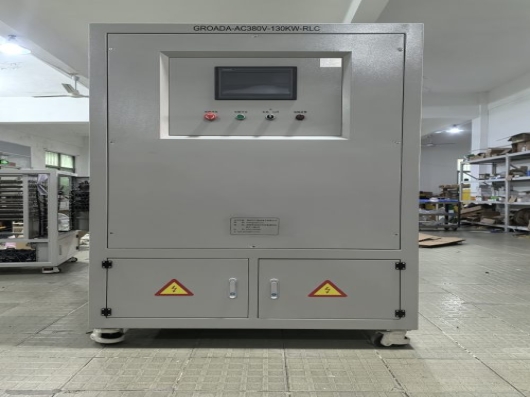
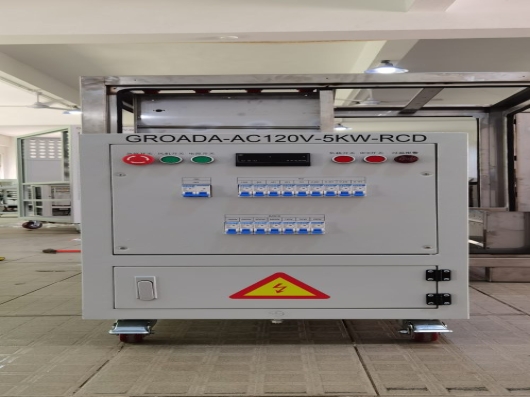
Portable load banks are essential tools for verifying the reliability and performance of generators, especially in remote or off-grid applications such as construction sites, emergency power systems, and microgrid installations. These devices simulate real-world electrical loads to test generator output under controlled conditions—ensuring that equipment meets manufacturer specifications before deployment or during routine maintenance. A typical portable resistive load bank can handle up to 500 kW at 480 VAC three-phase, with adjustable power factors ranging from 0.8 lagging to 1.0, allowing engineers to mimic both inductive (motor-driven) and purely resistive (heating, lighting) loads. One key advantage is the ability to perform factory acceptance testing (FAT) or site validation without relying on actual site loads, which may be inconsistent or unavailable. This ensures consistent test results and reduces downtime risks. However, common issues include inadequate cooling leading to overheating during prolonged tests, improper grounding causing safety hazards, and inaccurate calibration affecting measurement precision. Modern load banks now integrate digital control systems like Modbus TCP/IP and RS-485 communication, enabling remote monitoring and automated data logging—an industry trend driven by increasing demand for smart infrastructure and predictive maintenance. In a simulated case study involving a 300 kW diesel generator used in a mining operation, a portable reactive load bank was employed to validate voltage regulation under varying power factor conditions over 4 hours. The test revealed a 7% drop in terminal voltage at 0.6 PF lagging, prompting adjustments to the AVR settings, resulting in improved stability during actual operation. As per IEC 60034-1 and IEEE Std 115, these tests must align with motor and generator performance standards to ensure long-term operational integrity.
 01
01
Chinese load bank tester factories produce reliable, high-accuracy equipment for generator and power...
 02
02
Portable load banks enable accurate generator and UPS performance validation by simulating real-worl...
 03
03
A portable load bank ensures generator reliability by simulating real-world loads for performance va...
 04
04
Portable load banks enable accurate generator performance validation through resistive and reactive ...