China Load Bank Tester Factory for Reliable Generator and Power System Testing
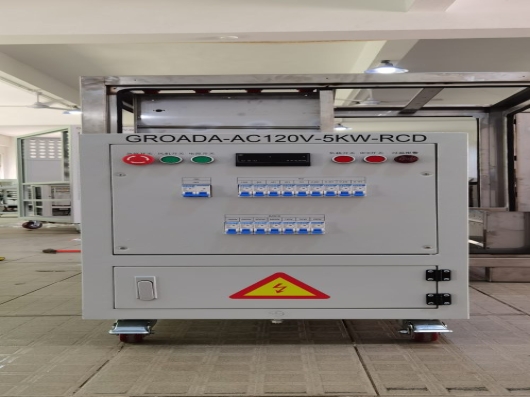
Chinese load bank tester factories produce reliable, high-accuracy equipment for generator and power...
Resistive load banks are essential tools for validating generator performance, ensuring power system reliability, and verifying the operational readiness of backup power systems. These devices simulate real-world electrical loads by converting electrical energy into heat through high-power resistors. Unlike reactive or capacitive load banks that model inductive or capacitive characteristics, resistive load banks provide a pure load with a power factor close to 1.0—ideal for testing the mechanical and thermal capacity of generators under controlled conditions.
During factory acceptance tests (FAT), maintenance checks, or commissioning of diesel or gas-powered generators, resistive load banks help verify output stability, voltage regulation, and fuel efficiency across multiple load steps—from 25% to 100% of rated capacity. According to IEC 60034-1, motor and generator testing must include full-load operation to ensure long-term reliability; resistive load banks enable this without requiring an actual connected load. In one anonymized case study involving a 500 kW standby generator at a data center, a resistive load bank test revealed uneven load distribution between phases due to poor wiring practices—a flaw not detectable during idle runs but critical for preventing premature failure under real emergency conditions.
Modern portable resistive load banks often feature active cooling via forced air or water-cooled systems, allowing continuous operation up to 100% of rated power. Key technical parameters include adjustable current ranges (e.g., 10–1000 A per phase), precise measurement accuracy (±0.5% for voltage, current, and power), and communication interfaces like Modbus RTU or Ethernet for remote monitoring. Safety features such as overtemperature protection, E-stop buttons, and grounding compliance with UL/CE standards further enhance safe deployment in industrial settings.
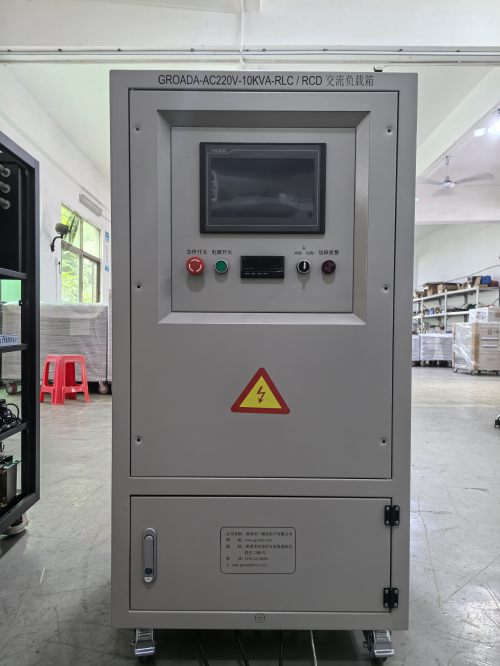
Whether used for routine maintenance, pre-installation validation, or grid interconnection testing in renewable energy projects, resistive load banks remain indispensable for engineers seeking robust, repeatable, and standardized power system evaluation methods grounded in international standards. Their ability to replicate consistent, linear loads makes them the go-to solution for confirming generator integrity before it’s called upon in critical situations.
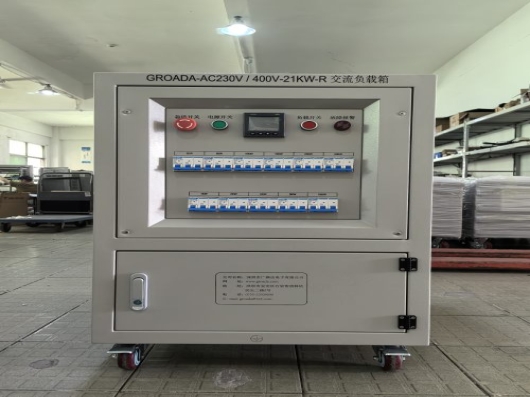 01
01
Chinese load bank tester factories produce reliable, high-accuracy equipment for generator and power...
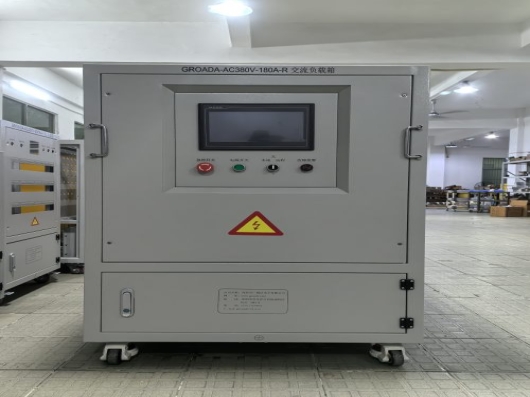 02
02
Portable load banks enable accurate generator and UPS performance validation by simulating real-worl...
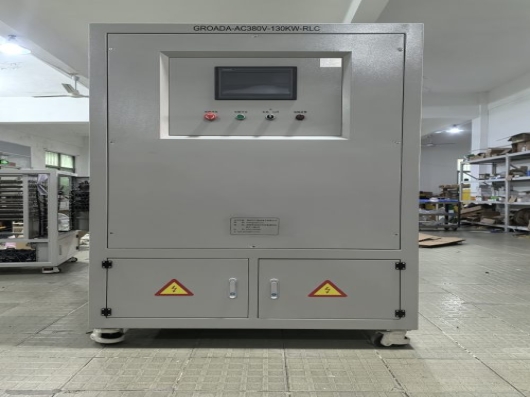 03
03
A portable load bank ensures generator reliability by simulating real-world loads for performance va...
 04
04
Portable load banks enable accurate generator performance validation through resistive and reactive ...









