China Load Bank Tester Factory for Reliable Generator and Power System Testing
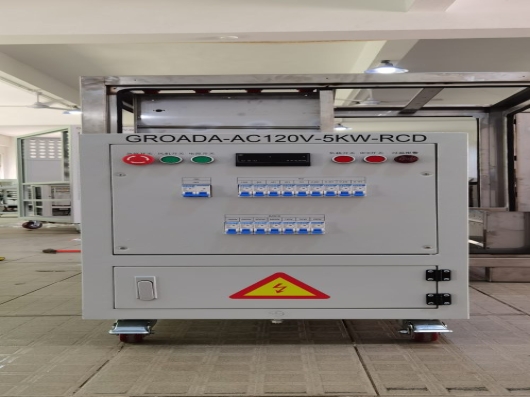
Chinese load bank tester factories produce reliable, high-accuracy equipment for generator and power...
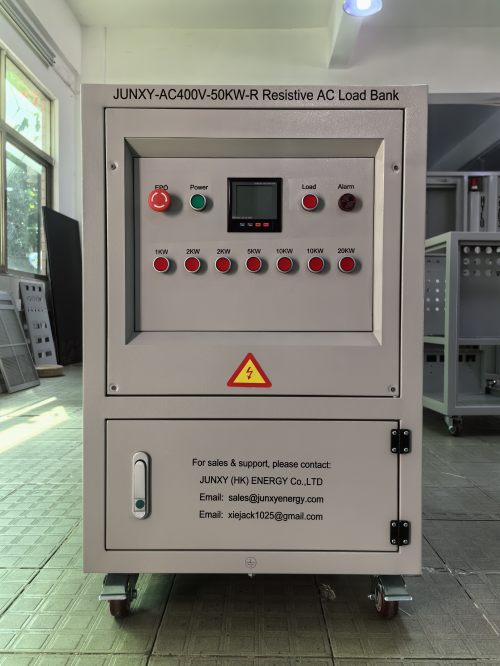
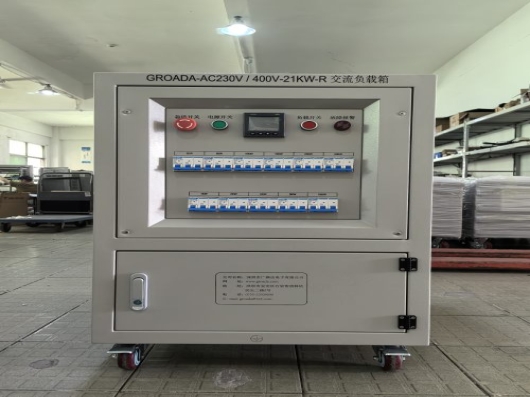
Load banks are essential tools for validating the performance of generators, UPS systems, and power infrastructure under real-world conditions. Whether in factory acceptance testing (FAT), field commissioning, or routine maintenance, selecting the correct load bank—resistive, reactive, capacitive, or combination (RLC)—is critical to ensure system reliability and safety. A resistive load bank simulates real electrical loads by converting electrical energy into heat through precision resistor blocks, commonly used for testing generator output capacity, engine cooling, and voltage regulation. For applications requiring power factor simulation, such as testing diesel generators in parallel or renewable energy integration, a reactive load bank (inductive or capacitive) adjusts the phase relationship between current and voltage. Modern digital load banks often include programmable control systems via Modbus or Ethernet, enabling remote monitoring, automated test sequences, and data logging for compliance with IEC 60034-1 and IEEE 1159 standards.
Practical applications span from utility-scale solar farms needing grid synchronization tests to data centers validating backup power systems. One anonymized case study from a wind farm in Germany showed that using a three-phase RLC load bank during commissioning helped identify an unstable governor response at 70% load—leading to firmware updates before full operation. Advantages include early fault detection, fuel efficiency verification, and compliance with international safety norms like CE and UL certifications. Common problems involve inadequate thermal management (especially in portable units), poor power factor adjustment, or communication failures in remote setups. Recent trends include AI-assisted diagnostics and IoT-enabled load banks that transmit real-time temperature, current, and power factor data to cloud platforms for predictive maintenance. With proper selection based on kW/kVA ratings, phase configuration, and environmental conditions, load banks remain indispensable for maintaining grid resilience and ensuring uptime in mission-critical environments.
 01
01
Chinese load bank tester factories produce reliable, high-accuracy equipment for generator and power...
 02
02
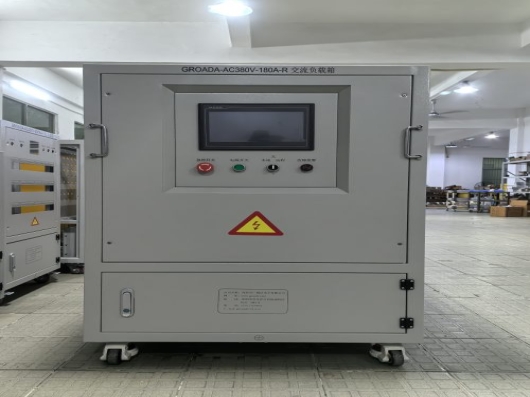
Portable load banks enable accurate generator and UPS performance validation by simulating real-worl...
 03
03
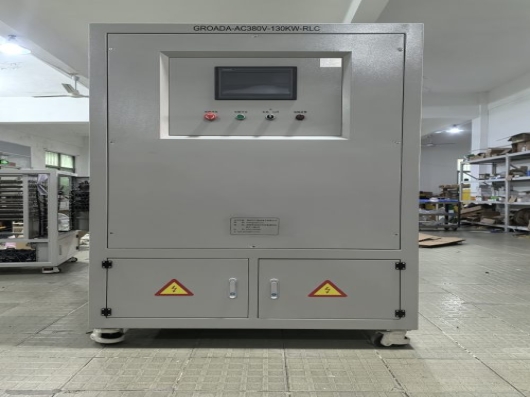
A portable load bank ensures generator reliability by simulating real-world loads for performance va...
 04
04
Portable load banks enable accurate generator performance validation through resistive and reactive ...