China Load Bank Tester Factory for Reliable Generator and Power System Testing
Chinese load bank tester factories produce reliable, high-accuracy equipment for generator and power...
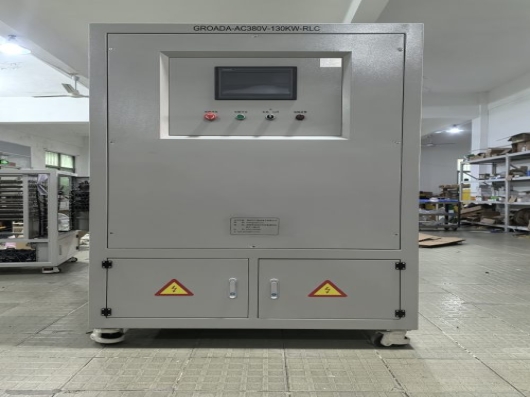
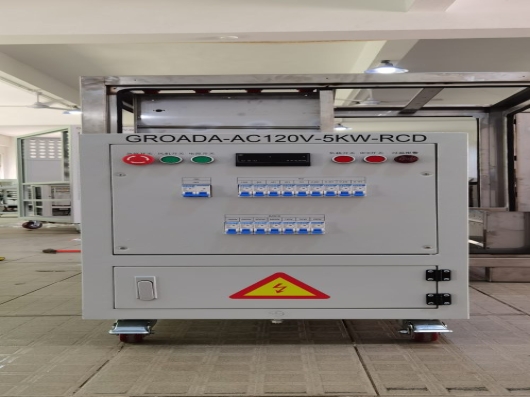
Load bank testing is a critical process in validating the performance, reliability, and safety of generators, UPS systems, and renewable energy installations. A load bank test engine simulates real-world electrical loads to verify that power sources can deliver consistent output under various conditions—from full load to partial load—without overheating or failing. This method is essential for factory acceptance testing (FAT), commissioning, maintenance, and grid integration projects such as wind farms or microgrids.
Modern load bank test engines are typically categorized into resistive, reactive, capacitive, and combination (RLC) types. Resistive load banks convert electrical energy into heat using high-power resistor blocks, commonly used for diesel or natural gas generator testing. Reactive load banks introduce inductive or capacitive reactance to simulate motor or transformer loads, while RLC units offer dynamic power factor adjustment from 0.1 to 1.0 lagging or leading—ideal for comprehensive generator synchronization tests.
These systems must comply with international standards like IEC 60034-1 for motor/generator testing and IEEE 1547 for distributed generation interconnection. Key technical parameters include voltage levels (230–690 V AC), three-phase configurations, power ratings up to 3,000 kVA, precise current measurement accuracy (±0.5%), and thermal protection mechanisms such as automatic shutdown at 120°C. Remote monitoring via Modbus TCP or CAN bus ensures safe operation during extended tests.
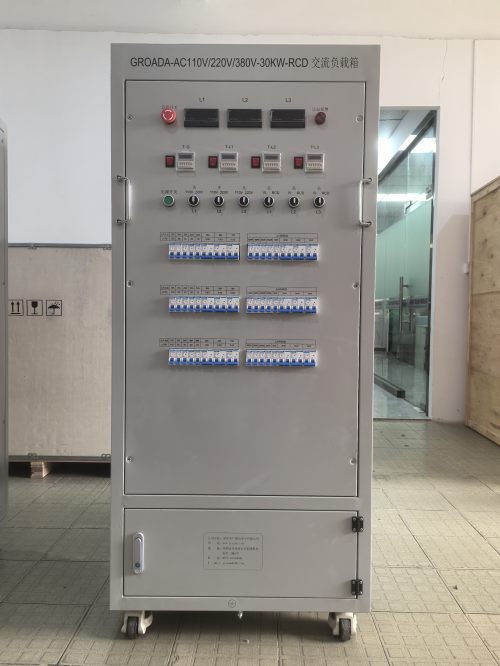
A simulated case study from a solar farm project in Texas showed that using a 1,200 kW three-phase resistive load bank allowed engineers to identify a weak fuel pump system before grid connection. The test ran for 8 hours at 100% load, confirming stable voltage regulation within ±2%. In another anonymized example, a hospital’s backup generator passed FAT after being tested with a 500 kVA reactive load bank that simulated 0.8 lagging PF—a scenario common in medical equipment loads.
Proper calibration every 12 months, use of certified thermocouples for temperature sensing, and routine fan replacement every 2 years ensure long-term accuracy and safety. Portability features like IP54 enclosures and forklift pockets make these systems suitable for mobile field applications.
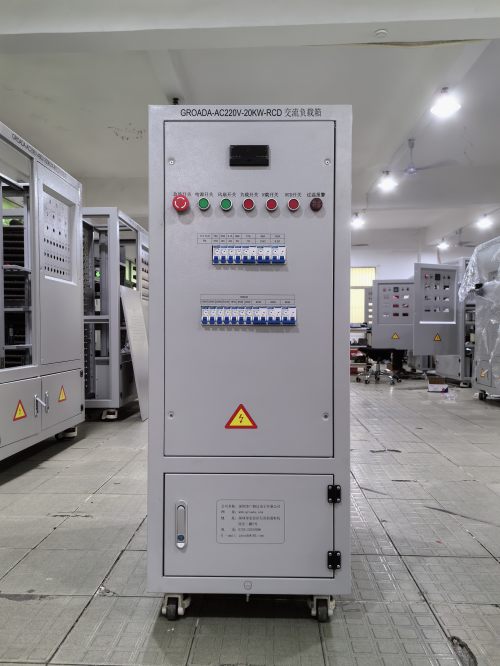
In our experience, regular load bank testing significantly reduces unexpected downtime by exposing hidden faults early—such as poor cooling airflow or faulty excitation systems—that standard no-load checks miss. For operators in industrial, utility, or remote power environments, investing in a calibrated, multi-functional load bank test engine is not optional—it’s essential for system resilience and compliance.
 01
01
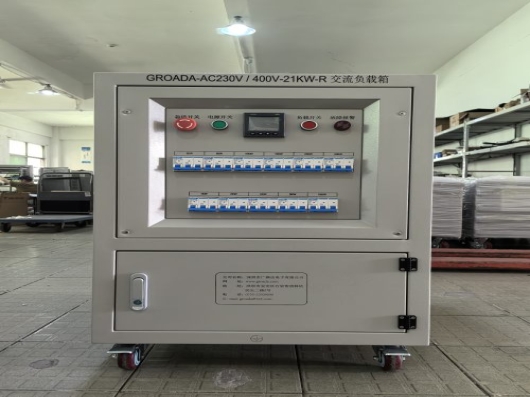
Chinese load bank tester factories produce reliable, high-accuracy equipment for generator and power...
 02
02
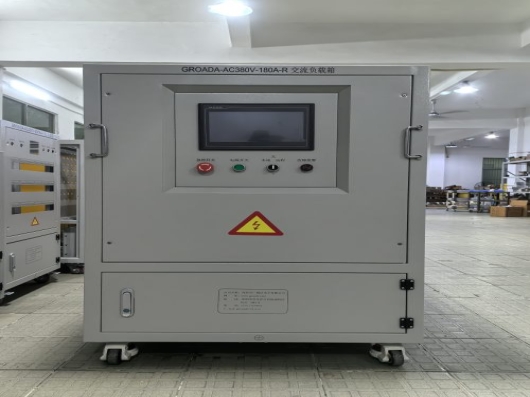
Portable load banks enable accurate generator and UPS performance validation by simulating real-worl...
 03
03
A portable load bank ensures generator reliability by simulating real-world loads for performance va...
 04
04
Portable load banks enable accurate generator performance validation through resistive and reactive ...









