China Load Bank Tester Factory for Reliable Generator and Power System Testing
Chinese load bank tester factories produce reliable, high-accuracy equipment for generator and power...
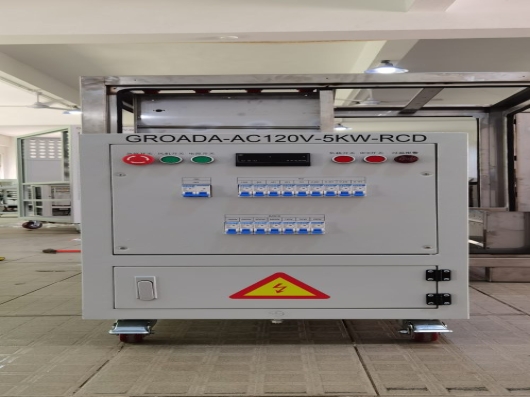
Portable resistive load banks are essential tools in the testing and validation of power generation systems, especially for diesel generators, standby power units, and renewable energy sources like wind turbines. These devices simulate real-world electrical loads to verify system performance under various operating conditions—ensuring reliability before deployment or during routine maintenance. Unlike fixed load banks, portable models offer flexibility in field applications such as factory acceptance tests (FAT), site commissioning, and emergency backup system checks.
A typical portable resistive load bank operates by converting electrical energy into heat through high-power resistor blocks, which are designed with precise thermal management to prevent overheating. Key parameters include rated power from 50 kW to 500 kW, three-phase operation at 230–480 VAC, and adjustable power factor (PF) ranging from 0.8 lagging to unity. Modern units integrate digital control systems with Modbus RTU or Ethernet interfaces for remote monitoring, allowing engineers to log voltage, current, active power, reactive power, and power factor in real time.
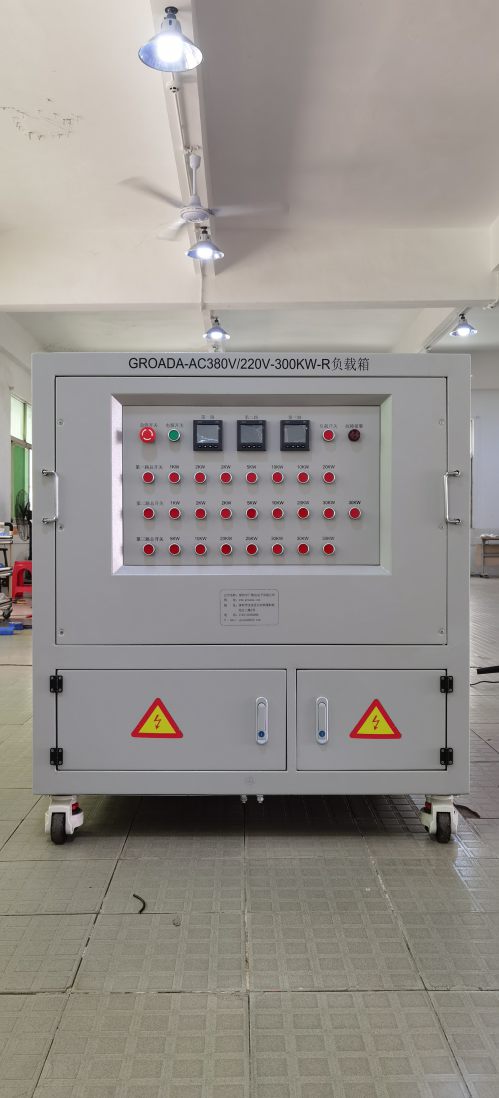
Safety features such as overtemperature protection, short-circuit detection, and emergency stop (E-STOP) switches comply with IEC 60034-1 and UL 1004 standards for motor and generator testing equipment. Cooling is typically achieved via forced air convection using industrial-grade fans, with optional water-cooled variants for continuous high-load scenarios. Mechanical construction uses rugged steel chassis with IP54 rating, enabling use in harsh environments—from offshore platforms to remote construction sites.
Field testing data from an anonymized case study shows that a 200 kW portable load bank successfully validated a 250 kVA generator over a 12-hour test period, identifying poor fuel mixing at partial load due to injector misalignment—a defect later corrected during scheduled maintenance. This highlights how load bank testing improves system longevity and operational efficiency.
For optimal performance, manufacturers recommend annual calibration using NIST-traceable instruments and replacement of resistor blocks every 5 years based on cumulative hours of operation. Spare parts such as fan modules, control boards, and temperature sensors should be kept on hand for rapid response to unexpected failures.
 01
01
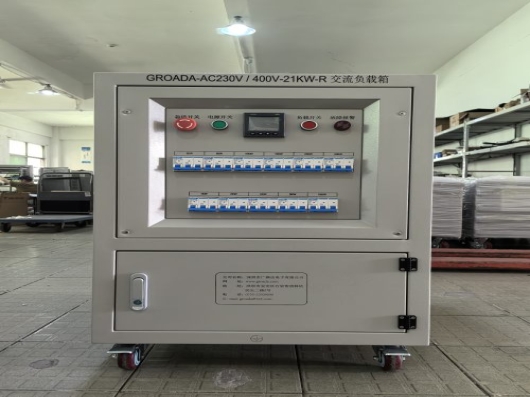
Chinese load bank tester factories produce reliable, high-accuracy equipment for generator and power...
 02
02
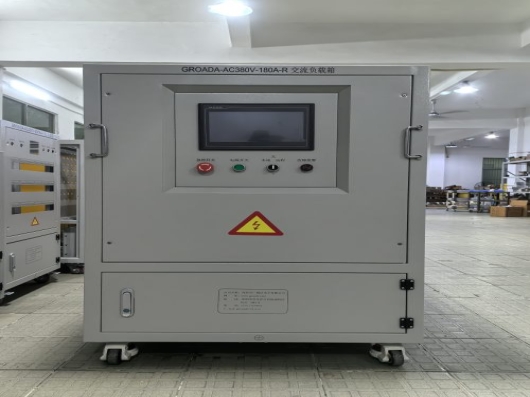
Portable load banks enable accurate generator and UPS performance validation by simulating real-worl...
 03
03
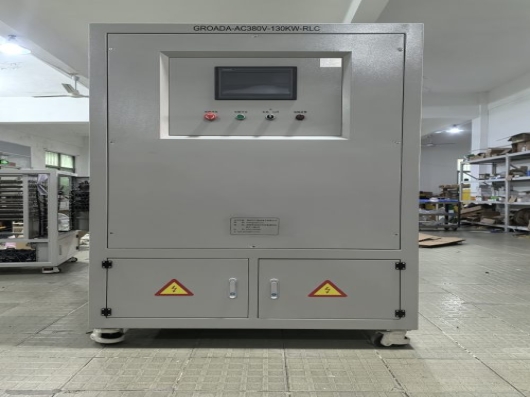
A portable load bank ensures generator reliability by simulating real-world loads for performance va...
 04
04
Portable load banks enable accurate generator performance validation through resistive and reactive ...