Portable Load Bank Testing for Generator and UPS Systems
Portable load banks enable precise testing of generators and UPS systems under simulated real-world ...
Selecting the correct load bank is essential for reliable generator testing, power system validation, and ensuring operational readiness in industrial, commercial, and utility environments. Whether you're conducting factory acceptance tests (FAT), commissioning new installations, or maintaining backup power systems, a properly configured load bank enables accurate simulation of real-world electrical demands.
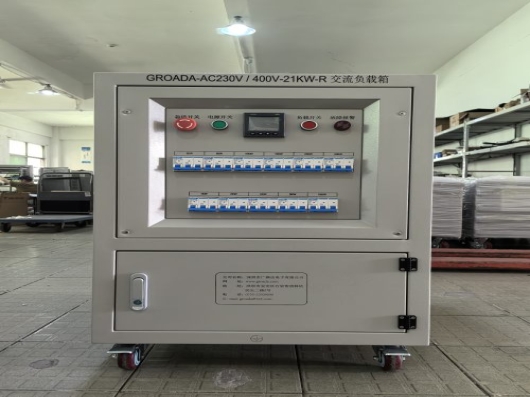
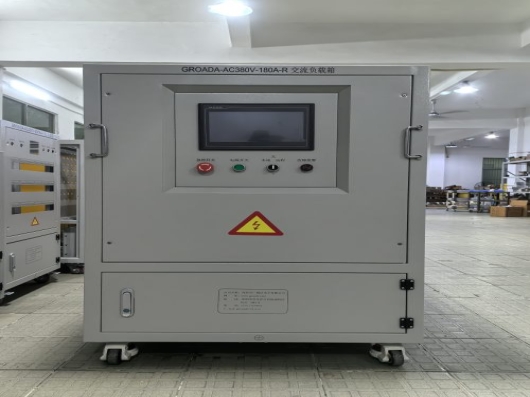
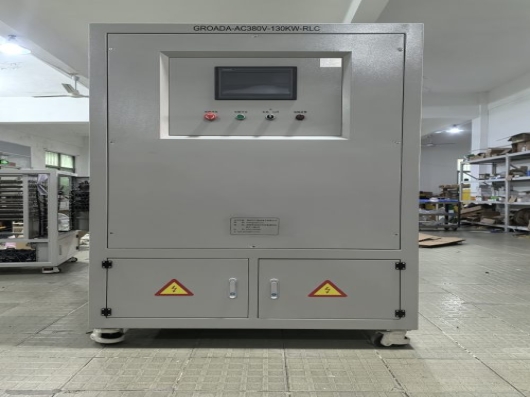
Resistive load banks are the most common type, offering pure real power (kW) absorption by converting electrical energy into heat through precision resistor elements. They are ideal for verifying generator output capacity, engine cooling performance, and fuel system response under full-load conditions. Reactive load banks, on the other hand, simulate inductive or capacitive loads—common in motor-driven or electronic equipment applications—and are used to test reactive power handling, voltage regulation, and power factor correction systems. For comprehensive testing, combination (RLC) load banks provide both resistive and reactive components, allowing engineers to replicate complex load profiles found in data centers, hospitals, or renewable energy systems.
Key technical parameters must be evaluated when choosing a load bank: rated power (kW/kVA), voltage level (e.g., 230V/400V AC), phase configuration (single or three-phase), current range, power factor adjustment capability (typically from 0.1 to 1.0), and thermal management method (air-cooled vs. water-cooled). Modern units often include digital control interfaces such as Modbus RTU or Ethernet for remote monitoring and automated load cycling. Safety features like overtemperature protection, emergency stop buttons, and CE/UL certifications ensure safe operation in high-stress environments.
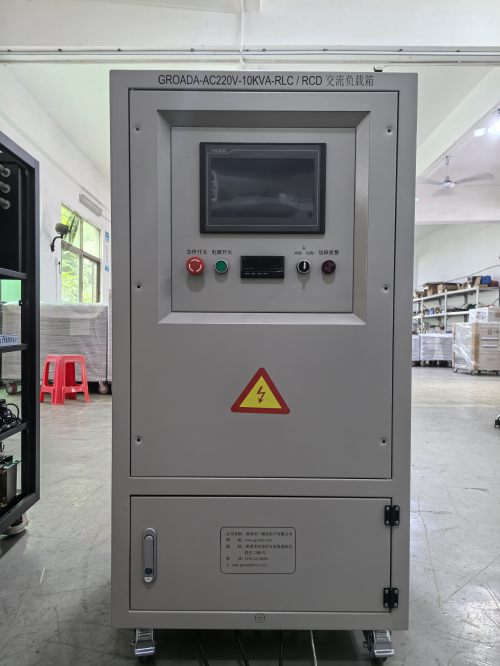
In our field experience, a 500 kW three-phase resistive load bank was successfully deployed during the commissioning of a wind farm’s backup generators. The test ran at 80% load for 4 hours, confirming stable voltage regulation and adequate cooling system performance. Similarly, an anonymized case study from a hospital’s UPS system revealed that using a variable reactive load bank improved power factor stability by 15%, reducing utility penalties and extending battery life. These examples highlight how selecting the right load bank—not just the highest-rated one—leads to better outcomes.
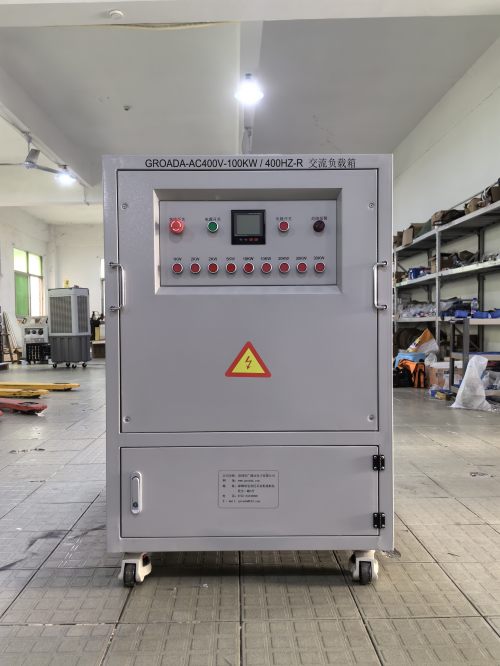
To maintain long-term reliability, regular calibration (every 12 months) and preventive maintenance—such as cleaning fan filters and inspecting resistor blocks—are recommended. Spare parts like cooling fans and contactors should be kept on hand, especially for portable models used in frequent field deployments. By aligning load bank specifications with actual application needs, users can avoid costly downtime, improve system efficiency, and meet international standards like IEC 60034-1 for motor/generator performance validation.
 01
01
Portable load banks enable precise testing of generators and UPS systems under simulated real-world ...
 02
02
Chinese load bank tester factories produce reliable, high-accuracy equipment for generator and power...
 03
03
Portable load banks enable accurate generator and UPS performance validation by simulating real-worl...
 04
04
A portable load bank ensures generator reliability by simulating real-world loads for performance va...