Portable Load Bank Testing for Generator and UPS Systems
Portable load banks enable precise testing of generators and UPS systems under simulated real-world ...
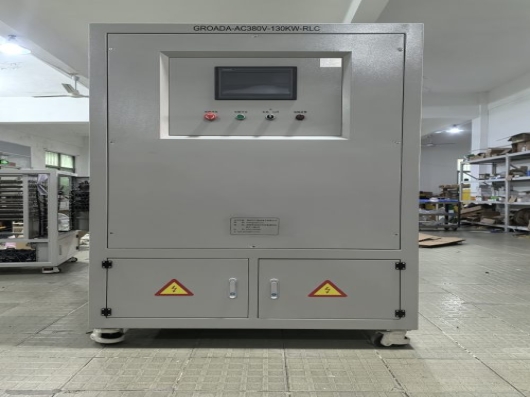
Portable load banks are essential tools in the power systems industry, enabling engineers to simulate real-world electrical loads during testing, commissioning, and maintenance of generators, uninterruptible power supplies (UPS), and other critical infrastructure. Unlike static or fixed load bank solutions, portable models offer flexibility, ease of deployment, and scalability—making them ideal for field applications such as construction sites, remote facilities, and emergency response operations.
A portable load bank typically consists of resistive, reactive, or combination (RLC) elements that allow users to mimic various types of electrical demand. Resistive load banks, which consume active power only, are commonly used for generator sizing, fuel efficiency analysis, and cooling system validation. Reactive load banks, on the other hand, simulate inductive or capacitive loads—such as motors, transformers, or capacitor banks—and are crucial for assessing voltage regulation, power factor correction, and excitation system performance. A three-phase portable load bank can handle up to several hundred kilowatts (kW), with adjustable current ranges from 10 A to 500 A per phase depending on model and configuration.
The design of modern portable load banks adheres to international safety and performance standards such as IEC 60034-1 for rotating machines and IEEE 1159 for power quality. These standards guide equipment construction, thermal management, and protection mechanisms. For example, IEC 60034-1 specifies temperature rise limits under full-load operation, influencing the selection of heat dissipation methods like forced air cooling or water-cooled units. In addition, CE, UL, and CCC certifications ensure compliance with regional electrical codes, especially when deploying across multiple markets including Europe, North America, and Asia-Pacific.
Thermal protection is a core feature in any portable load bank. Most units incorporate built-in sensors that monitor internal temperature and automatically reduce load or shut down if overheating occurs—a critical safeguard against fire hazards and component damage. Similarly, overvoltage and undervoltage protections prevent stress on connected equipment during transient events, while short-circuit protection ensures safe handling even under fault conditions. Emergency stop buttons must be readily accessible, often located on both sides of the unit for quick operator access.
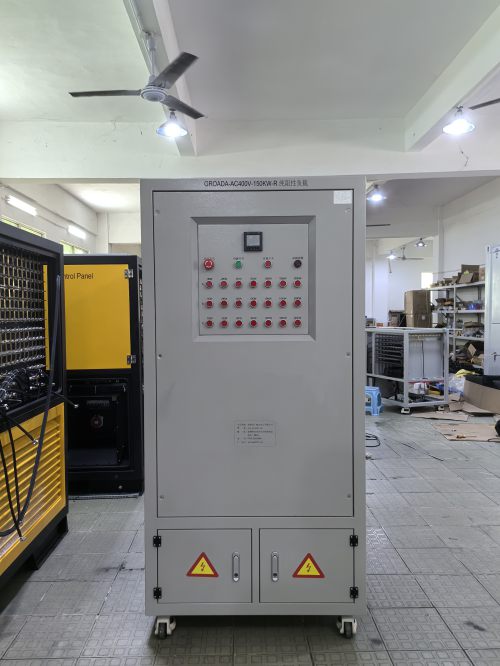
Control interfaces vary widely among manufacturers but commonly include analog controls, digital displays, and advanced communication protocols such as Modbus RTU/ASCII over RS-485, CAN bus, or Ethernet TCP/IP. Remote monitoring via SCADA systems allows for automated load ramping, logging of test parameters (e.g., voltage, current, active/reactive power, power factor), and integration into larger asset management platforms. Some high-end models support PLC-based control, enabling programmable sequences tailored to specific test procedures like generator factory acceptance tests (FATs) or grid synchronization checks for microgrids.
One key advantage of portable load banks is their ability to validate system readiness before actual use. For instance, a simulated 100% load test on a diesel generator at a data center ensures that the unit can sustain peak loads without voltage sag or frequency instability. An anonymized case study conducted at a renewable energy site showed that a 120 kW three-phase resistive load bank was used to verify turbine-generator compatibility prior to grid connection. The test revealed an unexpected 2.5% voltage drop at full load due to undersized wiring, prompting corrective action before commissioning—an outcome directly attributable to proper load testing.
Similarly, in a hospital backup power system, a 50 kVA reactive load bank helped confirm that the UPS could maintain stable output during sudden changes in load type (from resistive to inductive). This kind of dynamic testing improves reliability, reduces downtime risk, and aligns with NFPA 110 requirements for emergency power systems.
Maintenance and calibration schedules are equally important. Manufacturers recommend annual calibration using traceable reference instruments, with typical measurement accuracy within ±0.5% for voltage, current, and power values. Consumable components like resistor blocks and fans should be inspected every 6–12 months based on usage intensity. A recommended spare parts list includes fuses, thermistors, contactors, and fan assemblies to minimize service interruptions.
Portability features such as lifting eyes, casters, and IP54-rated enclosures make these units suitable for harsh environments. Weight ranges vary from 50 kg (small single-phase units) to over 500 kg (large three-phase models), with chassis designs optimized for transport by truck, trailer, or even crane-lifted placement at elevated locations.
In summary, portable load banks are indispensable for validating the operational integrity of power generation and distribution systems. Whether conducting routine diagnostics, preparing for regulatory audits, or ensuring uptime in mission-critical settings, they provide actionable data that informs maintenance decisions, enhances system resilience, and prevents costly failures.
 01
01
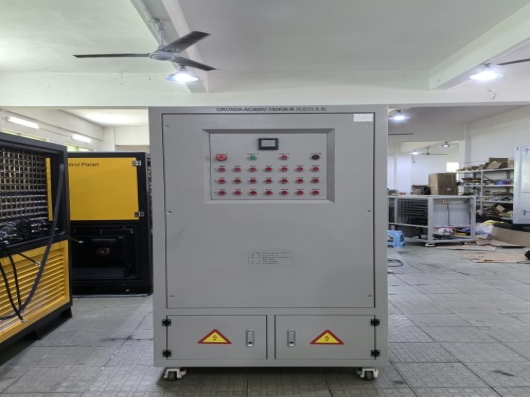
Portable load banks enable precise testing of generators and UPS systems under simulated real-world ...
 02
02
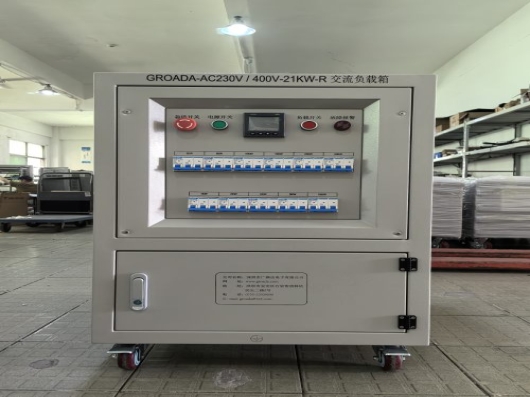
Chinese load bank tester factories produce reliable, high-accuracy equipment for generator and power...
 03
03
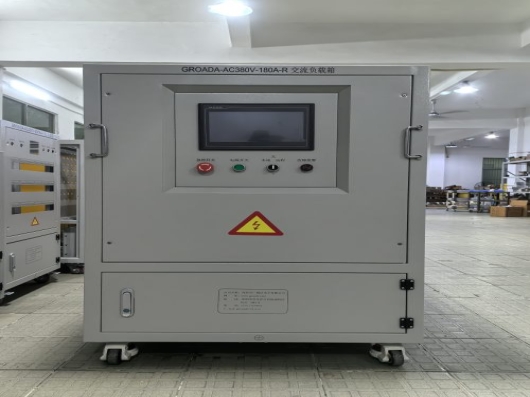
Portable load banks enable accurate generator and UPS performance validation by simulating real-worl...
 04
04
A portable load bank ensures generator reliability by simulating real-world loads for performance va...