Portable Load Bank Testing for Generator and UPS Systems
Portable load banks enable precise testing of generators and UPS systems under simulated real-world ...
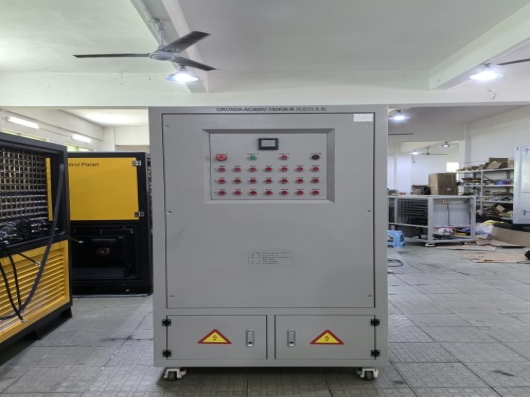
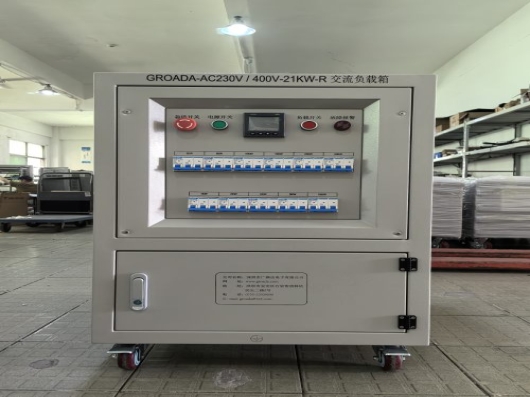
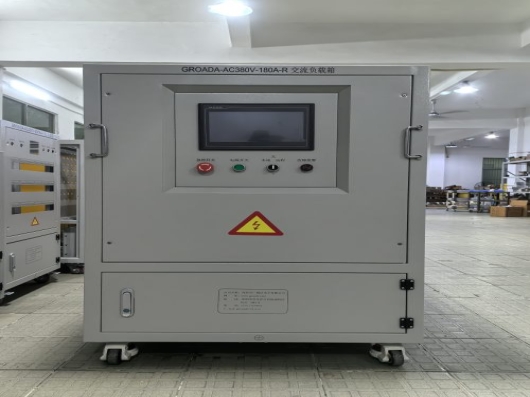
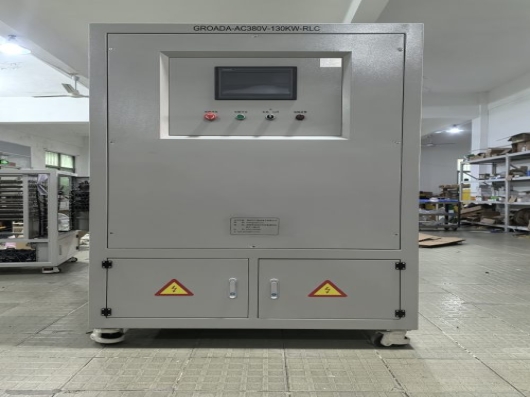
Connecting a load bank to a generator is a critical step in ensuring the performance, reliability, and safety of power generation systems—whether in industrial plants, data centers, or remote construction sites. A load bank simulates real-world electrical demand, allowing technicians to test generators under controlled conditions before actual use. The process begins by verifying that the generator’s output voltage and frequency match the load bank’s input requirements. Most portable load banks are rated for 120/240V single-phase or 208Y/120V three-phase systems, so cross-checking these parameters is essential. Next, safely isolate the generator from any connected loads and ensure it’s running at idle speed. Then, connect the load bank using appropriately sized cables—typically copper, with a minimum 6 AWG (approx. 13 mm²) for high-current applications—to prevent overheating or voltage drop. For three-phase setups, balance the load across all phases as much as possible; unbalanced loading can cause inefficiency or even damage to the generator’s internal components. After making physical connections, engage the load bank’s control system—either manually via dials or remotely via Modbus/RS-485 communication—and gradually apply load in steps (e.g., 25%, 50%, 75%, 100%) while monitoring voltage, current, and power factor. This staged approach prevents thermal shock and allows operators to observe how the generator responds under varying stress levels. Safety is paramount: always use grounding clamps, install emergency stop switches, and verify that the load bank has built-in overtemperature protection. In many cases, especially during factory acceptance tests or routine maintenance, engineers also measure engine response time, fuel consumption efficiency, and harmonic distortion. By following these best practices—grounded in IEC 60034-1 and IEEE 1159 standards—users can confidently validate generator readiness, avoid unexpected failures, and ensure uninterrupted power supply. Whether you're testing a standby diesel generator or commissioning a new microgrid, proper load bank hookup ensures operational confidence and long-term equipment health.
 01
01
Portable load banks enable precise testing of generators and UPS systems under simulated real-world ...
 02
02
Chinese load bank tester factories produce reliable, high-accuracy equipment for generator and power...
 03
03
Portable load banks enable accurate generator and UPS performance validation by simulating real-worl...
 04
04
A portable load bank ensures generator reliability by simulating real-world loads for performance va...









