Portable Load Bank Testing for Generator and UPS Systems
Portable load banks enable precise testing of generators and UPS systems under simulated real-world ...
An Arduino-based load bank is a cost-effective, programmable solution for testing generators, batteries, and power systems in both industrial and field environments. Unlike traditional fixed-load banks, an Arduino load bank uses microcontroller-driven switching circuits—typically MOSFETs or relays—to dynamically adjust resistance based on user-defined profiles, enabling precise control over real power (kW) and reactive power (kVAR) output. This approach allows engineers to simulate varying load conditions such as 25%, 50%, 75%, and 100% full load, which is essential for generator acceptance testing per IEC 60348 standards. The system typically interfaces with a digital multimeter or current sensors (like Hall-effect sensors) for real-time feedback, while software running on the Arduino (e.g., using PID algorithms) adjusts load levels automatically. For enhanced safety, thermal protection circuits monitor temperature rise in resistor banks—commonly made from high-wattage wirewound resistors—and trigger shutdown if thresholds exceed 120°C. Portability is improved through compact chassis design, often powered via a 12V DC source, making it ideal for mobile generator maintenance crews. In one simulated example, an agricultural cooperative used this setup to test a 10 kW diesel generator before installation; the Arduino load bank confirmed stable voltage regulation across all load steps and detected a minor harmonic distortion issue at 75% load, leading to capacitor bank tuning. With options for three-phase operation (using multiple Arduino boards), remote monitoring via Wi-Fi modules (ESP32), and Modbus communication for integration into SCADA systems, these DIY load banks are increasingly adopted by technicians, educators, and renewable energy installers worldwide.
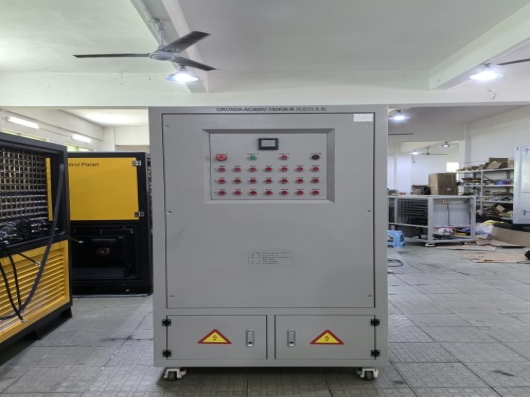 01
01
Portable load banks enable precise testing of generators and UPS systems under simulated real-world ...
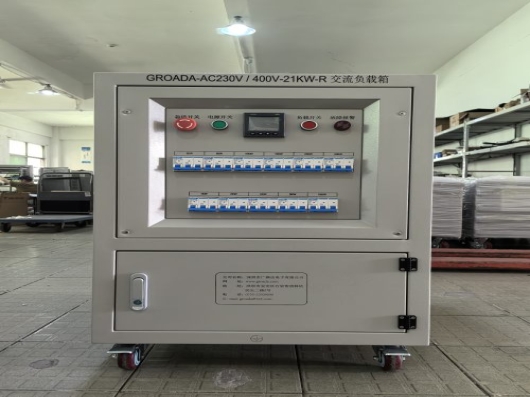 02
02
Chinese load bank tester factories produce reliable, high-accuracy equipment for generator and power...
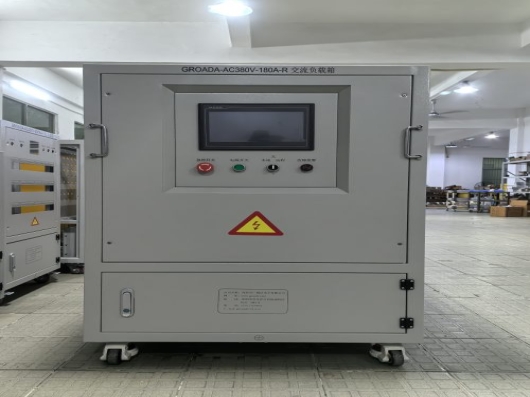 03
03
Portable load banks enable accurate generator and UPS performance validation by simulating real-worl...
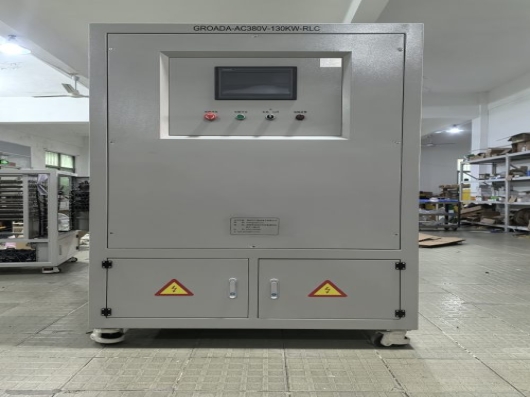 04
04
A portable load bank ensures generator reliability by simulating real-world loads for performance va...