Portable Load Bank Testing for Generator and UPS Systems
Portable load banks enable precise testing of generators and UPS systems under simulated real-world ...
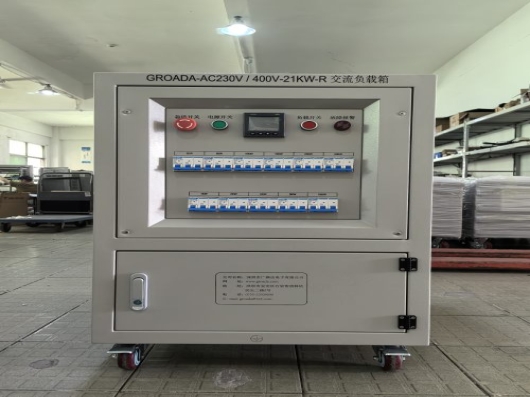
Portable load banks are essential tools for validating the performance of generators, uninterruptible power supplies (UPS), and other electrical power systems under real-world operating conditions. These devices simulate electrical loads to ensure that power sources can handle their rated capacity without failure or degradation in performance. Portable resistive load banks are commonly used for testing diesel or natural gas generators during commissioning, maintenance, or factory acceptance tests (FAT). They provide a controlled environment where engineers can verify voltage regulation, frequency stability, and thermal behavior across varying load levels—from 25% to 100%.
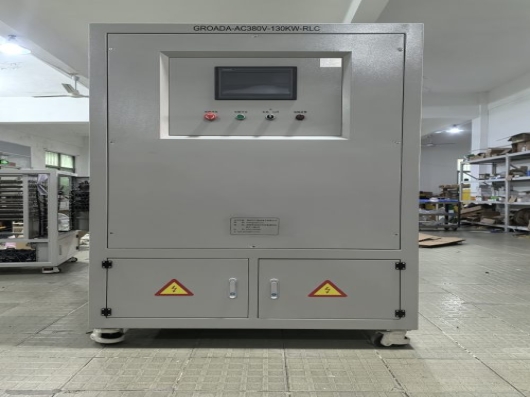
Reactive load banks, often combined with resistive units in RLC configurations, allow for testing of power factor effects on generator excitation systems. This is particularly critical when integrating renewable energy sources such as wind turbines or solar farms into grid networks, where reactive power management must comply with IEC 61400-21 standards. Capacitive load banks may also be integrated to evaluate system response to leading power factors—common in high-efficiency industrial motor drives.
Modern portable load banks feature advanced control interfaces like Modbus TCP/IP, RS-485, and CAN bus protocols, enabling remote monitoring and automation. Thermal protection systems, overvoltage/undervoltage safeguards, and emergency stop mechanisms ensure safe operation even under prolonged or extreme test conditions. Designed with rugged IP54 enclosures, these units are suitable for both indoor and outdoor use, including harsh environments like construction sites or offshore platforms.
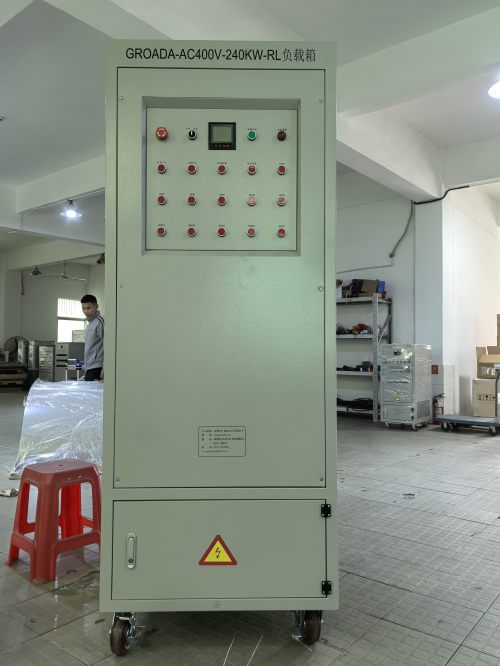
For example, an anonymized case study from a data center facility demonstrated that using a 500 kW three-phase resistive load bank improved generator reliability by identifying intermittent fuel pump issues before they caused downtime. Similarly, a simulated microgrid test using a 300 kVA combination load bank revealed inadequate voltage droop compensation, prompting firmware updates that enhanced grid synchronization. Such insights validate the importance of periodic load testing per IEEE 1159 guidelines.
Regular calibration every 12 months ensures measurement accuracy within ±1% for voltage, current, and power parameters, aligning with ISO/IEC 17025 requirements. Spare parts such as resistor blocks, cooling fans, and connectors should be stocked for quick replacement, minimizing downtime. The integration of digital twin technologies and IoT-enabled sensors further supports predictive maintenance strategies, making modern load banks indispensable for asset lifecycle management in critical infrastructure.
 01
01
Portable load banks enable precise testing of generators and UPS systems under simulated real-world ...
 02
02
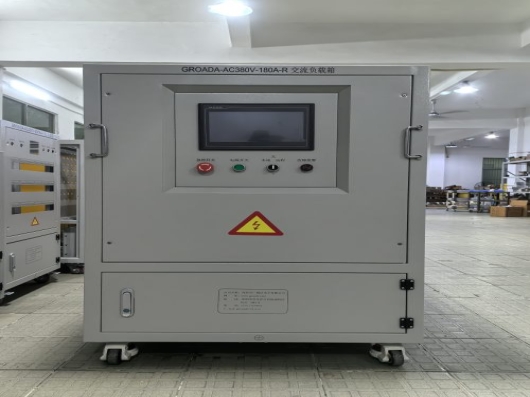
Chinese load bank tester factories produce reliable, high-accuracy equipment for generator and power...
 03
03
Portable load banks enable accurate generator and UPS performance validation by simulating real-worl...
 04
04
A portable load bank ensures generator reliability by simulating real-world loads for performance va...