Portable Load Bank Testing for Generator and UPS Systems
Portable load banks enable precise testing of generators and UPS systems under simulated real-world ...
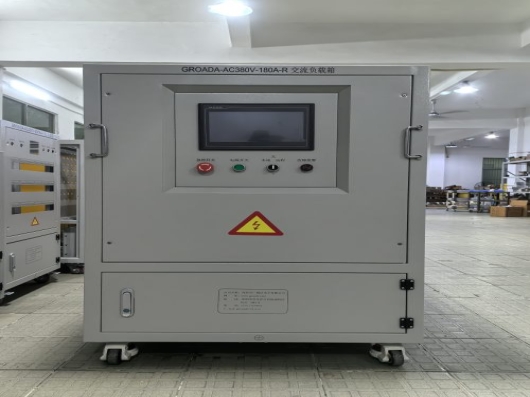
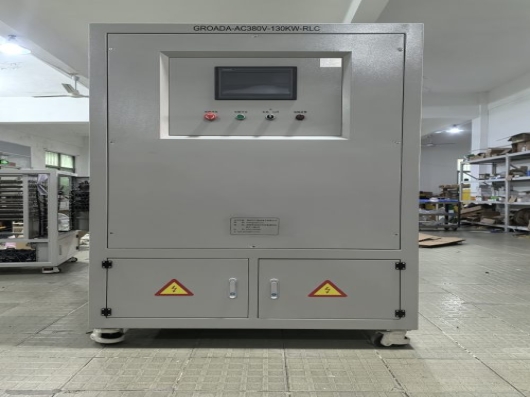
Load bank testing is a critical procedure used to validate the performance and reliability of generators, UPS systems, and alternative power sources under controlled conditions. Unlike real-world load scenarios, which can be unpredictable or inconsistent, a load bank allows engineers to simulate specific electrical loads—such as resistive, reactive, or combined RLC (resistance-inductance-capacitance) loads—to assess how a power source behaves across different operating points. This ensures that equipment performs reliably during peak demand or emergency situations.
For instance, in factory acceptance testing (FAT), a generator must demonstrate it can handle 100% of its rated output without overheating or voltage instability. A resistive load bank simulates purely real power consumption—common in industrial settings where motors and heating elements dominate—and helps verify mechanical integrity and cooling system efficiency. In contrast, a reactive load bank introduces inductive or capacitive components to test how the generator manages reactive power, which is crucial for maintaining stable voltage in grid-connected systems.
Modern portable load banks are designed with safety, precision, and remote monitoring capabilities in mind. They often feature built-in digital meters for accurate measurement of voltage, current, active and reactive power, and power factor—all calibrated per IEC 60034-1 standards for motor and generator testing. Many units support Modbus RTU or Ethernet communication protocols, enabling integration into SCADA systems for automated load scheduling and real-time diagnostics.
Case studies from the field show that regular load testing prevents issues like wet stacking in diesel generators—where unburned fuel accumulates due to low-load operation—which can lead to catastrophic failure. One anonymized case study involving a hospital backup generator revealed that after implementing monthly 50% load tests using a three-phase resistive load bank, the unit's ability to sustain full load improved by 18%, with no signs of thermal stress or harmonic distortion.
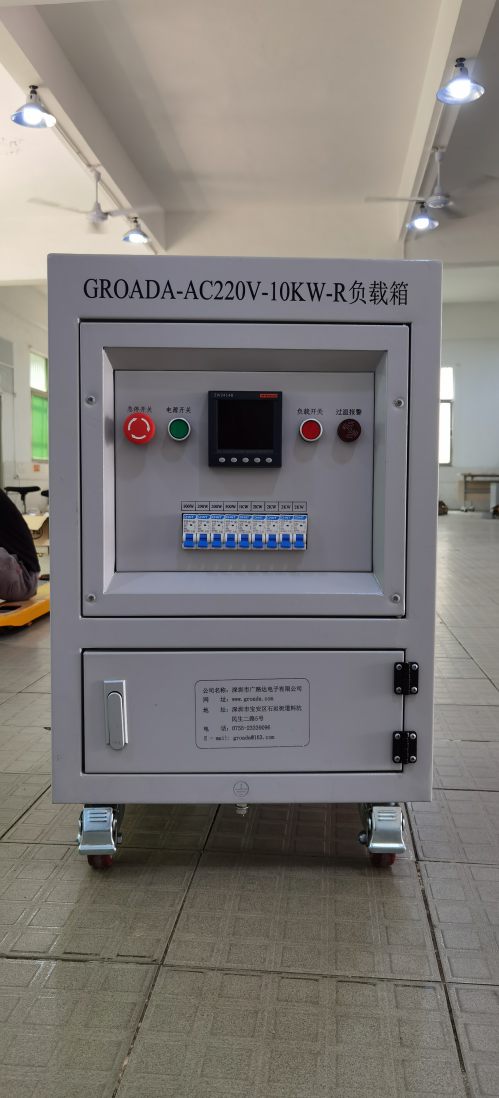
These systems also comply with global safety certifications such as CE, UL, and CCC, ensuring safe operation even under extreme conditions. Mechanical design considerations include IP54-rated enclosures for dust and splash protection, robust lifting eyes for transport, and efficient air or water-cooled configurations based on power density requirements.
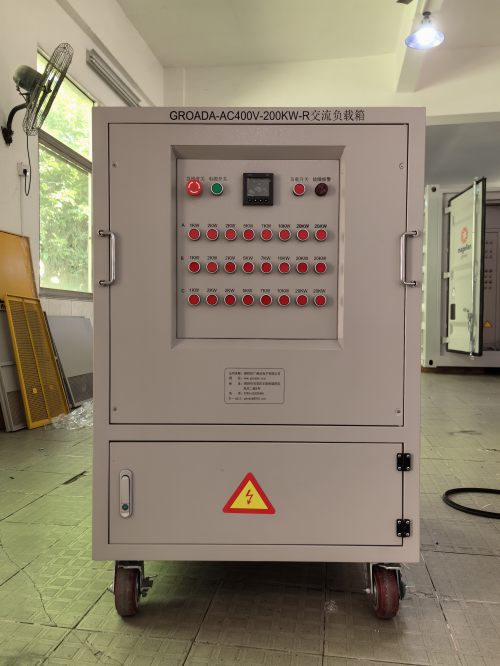
Regular calibration every 12 months and replacement of resistor blocks or fan assemblies ensure long-term accuracy and durability. By adhering to standardized procedures and leveraging advanced load bank technology, operators achieve both compliance and confidence in their critical infrastructure.
 01
01
Portable load banks enable precise testing of generators and UPS systems under simulated real-world ...
 02
02
Chinese load bank tester factories produce reliable, high-accuracy equipment for generator and power...
 03
03
Portable load banks enable accurate generator and UPS performance validation by simulating real-worl...
 04
04
A portable load bank ensures generator reliability by simulating real-world loads for performance va...









