Resistive Load Bank Testing for Generator Performance Validation
A resistive load bank tests generator performance by simulating real-world electrical loads. It ensu...
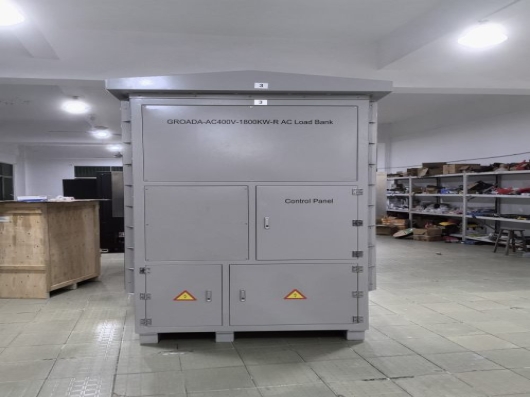
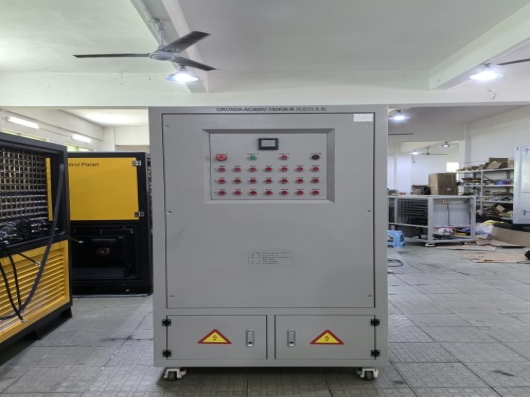
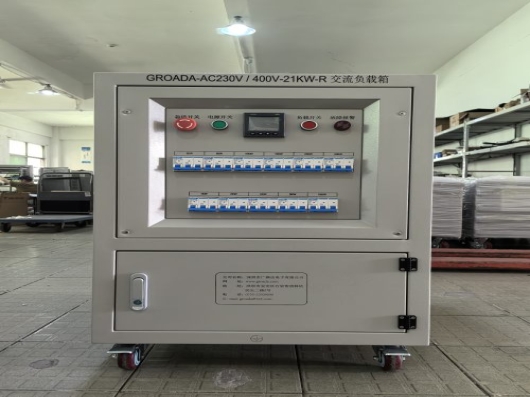
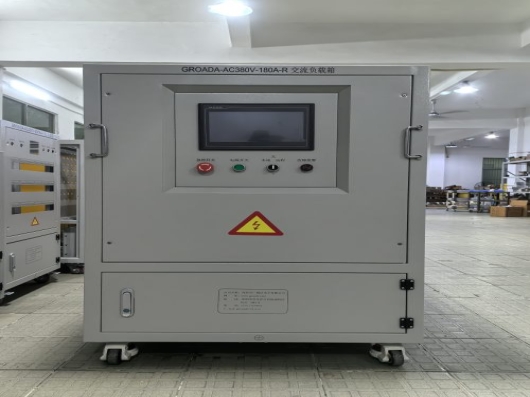
Portable load banks are essential tools for verifying the performance, reliability, and safety of electrical power systems such as generators, uninterruptible power supplies (UPS), and backup energy solutions. Unlike static or fixed load banks, portable units offer flexibility in testing locations—from factory acceptance tests to field installations—making them indispensable for engineers, maintenance teams, and facility managers. These devices simulate real-world electrical loads by converting electrical energy into heat through resistive, reactive, or combination (RLC) circuits, allowing for accurate evaluation of system response under various conditions.
A typical portable load bank includes adjustable power output (from 5 kW up to several hundred kW), multi-phase capabilities (single or three-phase), and remote monitoring via Modbus, Ethernet, or CAN interfaces. The design prioritizes thermal management with air-cooled or water-cooled systems, ensuring safe operation during extended testing periods. Built-in protections like overtemperature, short-circuit, and overvoltage detection meet IEC 60034-1 and IEEE 1159 standards, which mandate robust safety protocols for motor and generator testing environments. For instance, a simulated case study involving a 250 kVA diesel generator used a portable resistive load bank at 80% load for 4 hours; results showed stable voltage regulation within ±2% and no overheating, confirming compliance with manufacturer specifications.
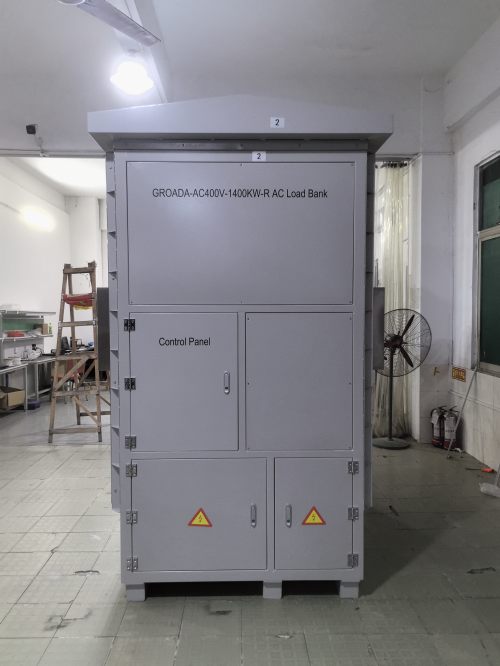
Key advantages include portability (with lifting eyes and fork truck compatibility), high accuracy in measuring active/reactive power (±0.5% typical), and ease of integration into automated test routines. Maintenance is straightforward—resistor blocks and fans require periodic inspection, with calibration recommended annually using traceable equipment. In our experience, these systems reduce downtime risk and help prevent unexpected failures in mission-critical applications like hospitals, data centers, and industrial plants. Whether you're conducting routine checks or preparing for grid interconnection, a well-designed portable load bank delivers measurable confidence in your power infrastructure’s resilience.
 01
01
A resistive load bank tests generator performance by simulating real-world electrical loads. It ensu...
 02
02
Portable load banks enable precise testing of generators and UPS systems under simulated real-world ...
 03
03
Chinese load bank tester factories produce reliable, high-accuracy equipment for generator and power...
 04
04
Portable load banks enable accurate generator and UPS performance validation by simulating real-worl...