Resistive Load Bank Testing for Generator Performance Validation
A resistive load bank tests generator performance by simulating real-world electrical loads. It ensu...
Resistive load banks are essential tools in the testing and validation of electrical power systems, especially for generators used in industrial, commercial, and emergency backup applications. These devices simulate real-world electrical loads by converting electrical energy into heat through resistive elements, allowing engineers to assess generator performance under controlled conditions. A properly configured resistive load bank enables accurate evaluation of critical parameters such as voltage regulation, frequency stability, fuel efficiency, and thermal management—all vital for ensuring reliability before system deployment.
According to IEC 60034-1, which outlines requirements for rotating electrical machines, consistent load testing is crucial for verifying the mechanical and thermal integrity of generators under full-load operation. In practice, this means that a resistive load bank must be capable of delivering stable, adjustable power from 0% to 100% of rated capacity over extended durations—typically up to 8 hours—without exceeding safe operating temperatures. Modern resistive load banks often include digital control interfaces like Modbus TCP or RS-485, enabling remote monitoring of active power (kW), current (A), voltage (V), and power factor (PF). This data helps operators identify issues such as uneven phase loading or overheating in early stages.
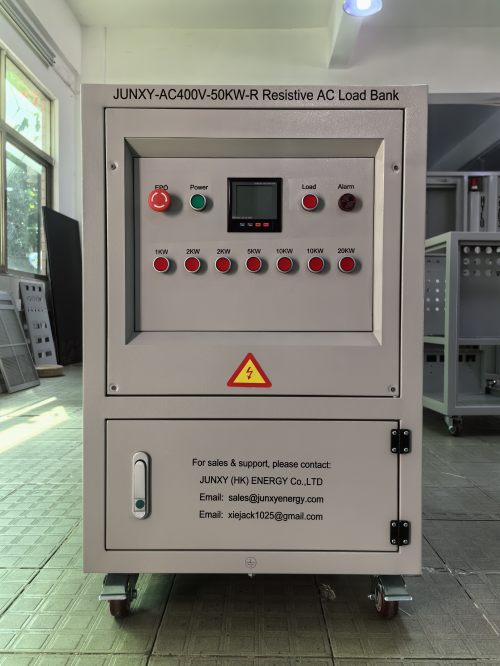
For example, an anonymized case study from a diesel generator manufacturer showed that during factory acceptance testing (FAT), using a 200 kW three-phase resistive load bank, the unit failed to maintain stable voltage above 75% load due to inadequate cooling airflow design. After redesigning the fan layout and adding temperature sensors, the same generator passed subsequent tests with no deviation in output voltage beyond ±1%. This highlights how load testing isn’t just about compliance—it’s a proactive engineering tool for quality assurance.
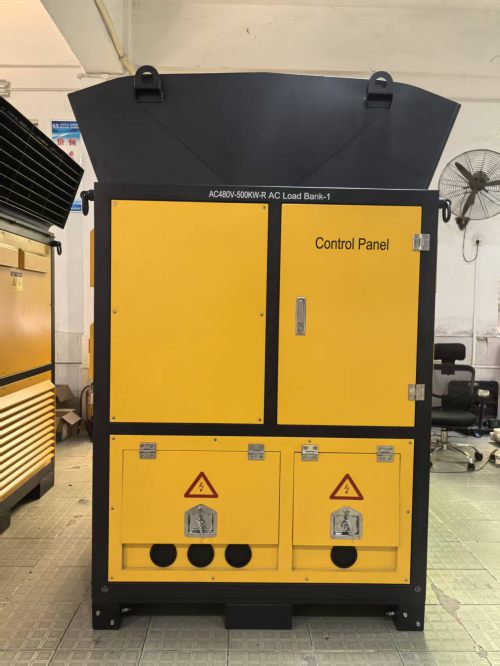
Load banks also support compliance with UL 1008 and IEEE 1159 standards related to power quality and safety. Key technical features include robust IP54 enclosures for dust and splash resistance, E-STOP functionality for rapid shutdown, and automatic overtemperature protection that prevents equipment damage. Mechanical portability—such as forklift pockets and lifting eyes—makes these units suitable for mobile testing across diverse site conditions.
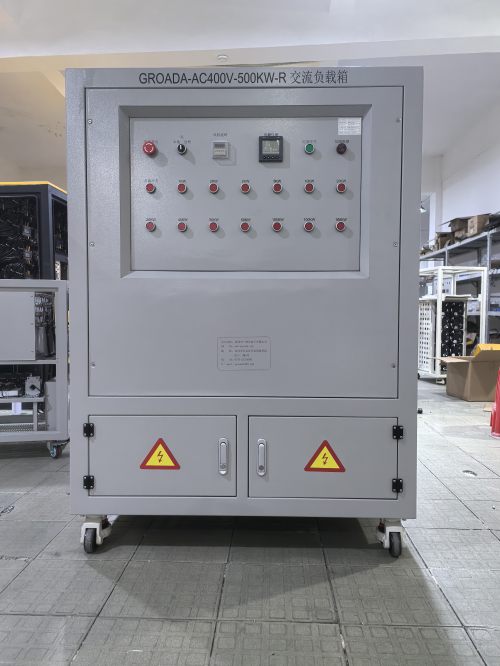
In summary, resistive load banks are indispensable for validating generator readiness across sectors ranging from oil & gas to data centers. Their ability to replicate actual load profiles ensures both regulatory compliance and operational confidence. Whether for routine maintenance or new installation verification, integrating a high-quality resistive load bank into your testing protocol enhances system resilience and reduces unexpected downtime.
 01
01
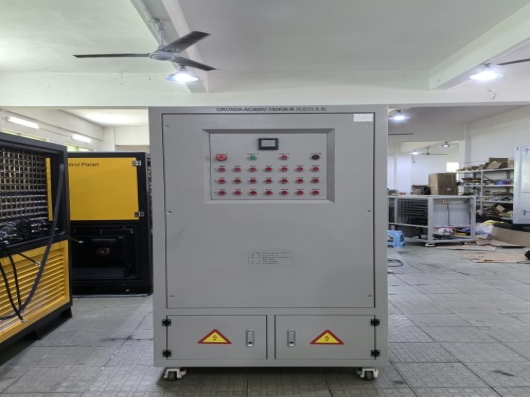
A resistive load bank tests generator performance by simulating real-world electrical loads. It ensu...
 02
02
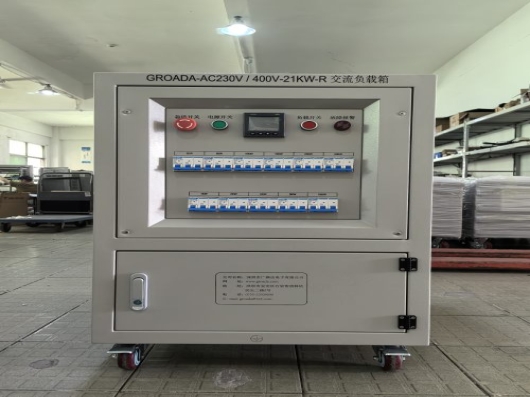
Portable load banks enable precise testing of generators and UPS systems under simulated real-world ...
 03
03
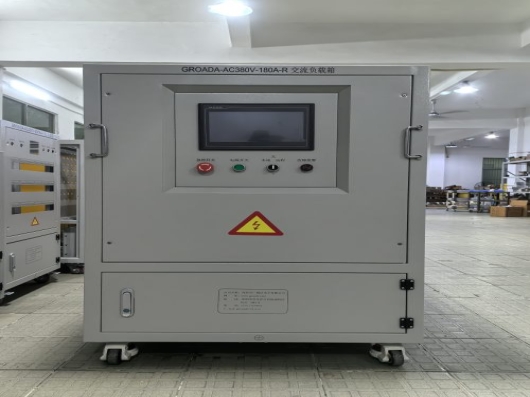
Chinese load bank tester factories produce reliable, high-accuracy equipment for generator and power...
 04
04
Portable load banks enable accurate generator and UPS performance validation by simulating real-worl...









