Resistive Load Bank Testing for Generator Performance Validation
A resistive load bank tests generator performance by simulating real-world electrical loads. It ensu...
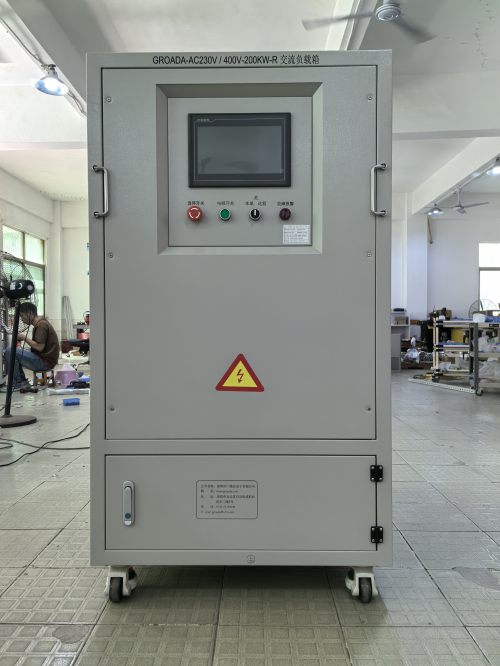
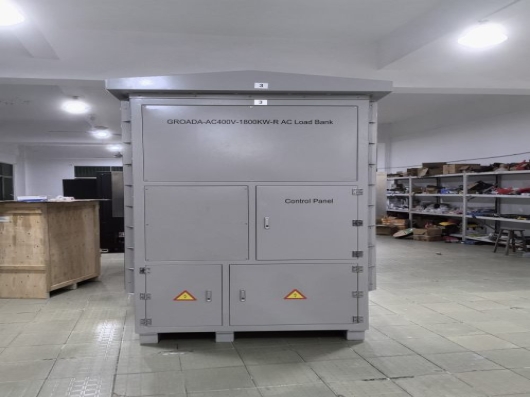
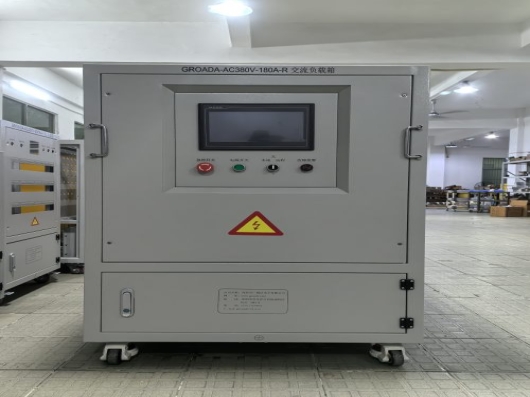
Resistive load banks are essential tools for verifying the performance and reliability of electrical generators, especially in industrial, commercial, and critical infrastructure applications. These devices simulate real-world electrical loads by converting electrical energy into heat through high-power resistors, allowing engineers to test generator output under controlled conditions. A properly designed resistive load bank enables full-load testing, ensuring that a generator can handle its rated power without overheating or voltage drop. For example, during factory acceptance testing (FAT), a 500 kW three-phase resistive load bank can be used to verify that a diesel generator maintains stable voltage (±2%) and frequency (±0.5 Hz) across all phases over a 4-hour duration. According to IEC 60034-1, motors and generators must undergo load testing at 100% of rated capacity to confirm compliance with insulation class and thermal protection limits. Modern resistive load banks often feature active cooling systems such as forced air or water-cooled configurations, with IP54 enclosures to ensure safe operation in harsh environments. They typically offer remote control via Modbus TCP or RS-485 protocols, enabling integration into SCADA systems for continuous monitoring. Safety features like overtemperature shutdown, short-circuit protection, and emergency stop buttons are mandatory per UL 1004 and CE standards. Based on field data from an anonymized case study involving a wind farm grid connection project, using a 2 MW resistive load bank reduced commissioning time by 30% compared to traditional step-loading methods. Key technical parameters include power rating (from 50 kW to 5 MW), current range (up to 1000 A per phase), and power factor adjustment capability (0.8–1.0). Calibration intervals are recommended every 12 months using NIST-traceable equipment, and replacement parts like resistor blocks and fans should be replaced annually based on usage intensity.
 01
01
A resistive load bank tests generator performance by simulating real-world electrical loads. It ensu...
 02
02
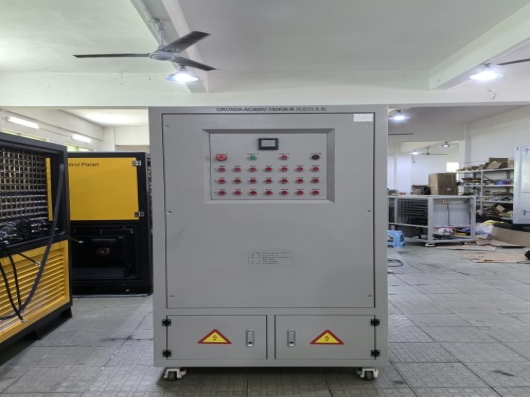
Portable load banks enable precise testing of generators and UPS systems under simulated real-world ...
 03
03
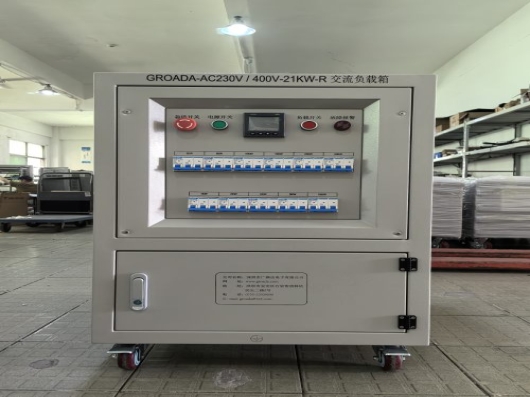
Chinese load bank tester factories produce reliable, high-accuracy equipment for generator and power...
 04
04
Portable load banks enable accurate generator and UPS performance validation by simulating real-worl...









