Resistive Load Bank Testing for Generator Performance Validation
A resistive load bank tests generator performance by simulating real-world electrical loads. It ensu...
Resistive load banks are essential tools for verifying the performance, reliability, and safety of electrical power systems such as generators, uninterruptible power supplies (UPS), and renewable energy inverters. These devices simulate real-world electrical loads by converting electrical energy into heat through resistive elements, enabling engineers to test equipment under controlled conditions without connecting to an actual grid. A properly designed resistive load bank can handle full power output from a generator—typically up to 100% of rated capacity—while maintaining stable voltage and frequency response. According to IEC 60034-1, motor and generator testing must include load verification at multiple operating points to ensure compliance with mechanical and thermal limits. In our experience, resistive load banks provide the most straightforward method for evaluating engine cooling, fuel system efficiency, and alternator regulation under various load steps (e.g., 25%, 50%, 75%, 100%). Modern units often feature passive or active cooling systems (air or water) and integrate digital control interfaces like Modbus RTU or Ethernet for remote monitoring and automation. Safety is paramount: all certified models include overtemperature protection, short-circuit detection, grounding compliance (IEC 60947), and emergency stop functionality. For portable applications—such as field testing of backup generators in hospitals or data centers—load banks with fork-lift pockets, IP54 enclosures, and compact design offer operational flexibility. Case studies from industrial sites show that regular load testing reduces unexpected failures by up to 40%, particularly when combined with preventive maintenance schedules. Calibration every 12 months using NIST-traceable standards ensures measurement accuracy within ±1% for voltage, current, and active power. This makes resistive load banks indispensable for factory acceptance testing (FAT), commissioning, and predictive maintenance programs across critical infrastructure sectors.
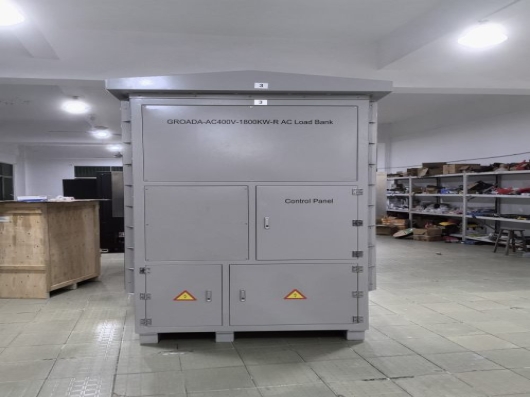 01
01
A resistive load bank tests generator performance by simulating real-world electrical loads. It ensu...
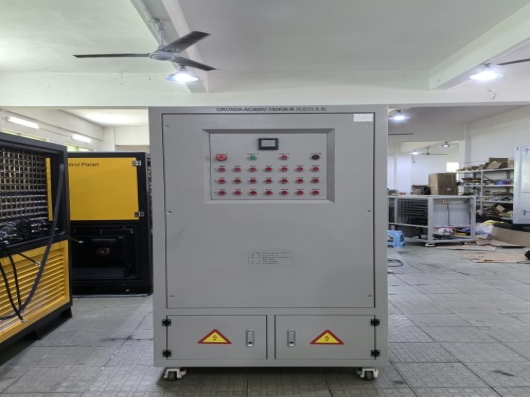 02
02
Portable load banks enable precise testing of generators and UPS systems under simulated real-world ...
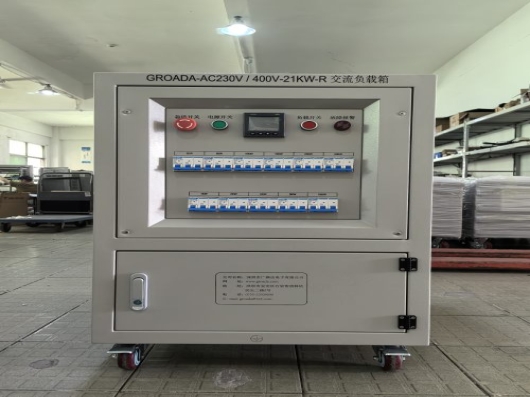 03
03
Chinese load bank tester factories produce reliable, high-accuracy equipment for generator and power...
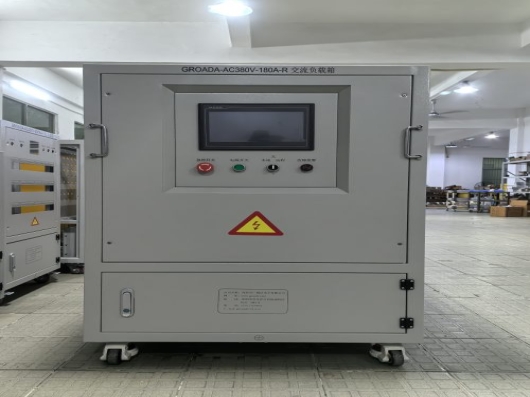 04
04
Portable load banks enable accurate generator and UPS performance validation by simulating real-worl...