Resistive Load Bank Testing for Generator Performance Validation
A resistive load bank tests generator performance by simulating real-world electrical loads. It ensu...
Portable load banks are essential tools in the field of electrical testing, especially for verifying the performance of generators, UPS systems, and renewable energy installations such as wind farms or solar microgrids. These devices simulate real-world electrical loads to ensure that power generation equipment operates reliably under various conditions—from full-load operation to transient response testing. As industrial and commercial infrastructure grows more complex, portable load banks have evolved from basic resistive units into sophisticated multi-function systems capable of emulating reactive (inductive/capacitive) and combined RLC loads. This evolution supports not only factory acceptance tests (FATs) but also on-site commissioning, periodic maintenance, and emergency readiness assessments.
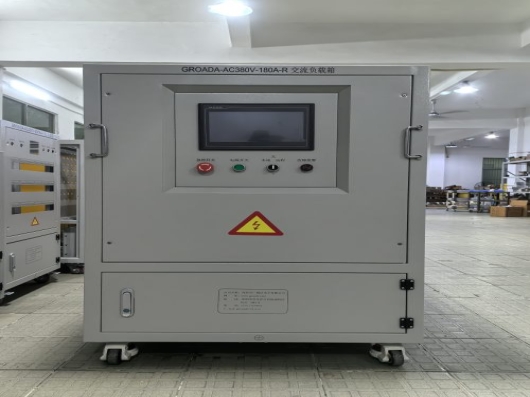
The core function of a portable load bank is to provide a controlled, measurable, and adjustable electrical load that mimics the actual demands placed on a generator during operation. Unlike fixed load banks used in test labs, portable models are designed for mobility, allowing technicians to conduct tests at remote locations such as construction sites, data centers, or off-grid facilities. Their modular design often includes features like air-cooled resistor blocks, built-in cooling fans, and integrated control panels with digital displays for voltage, current, power factor, and active/reactive power readings—all critical parameters for evaluating generator health.
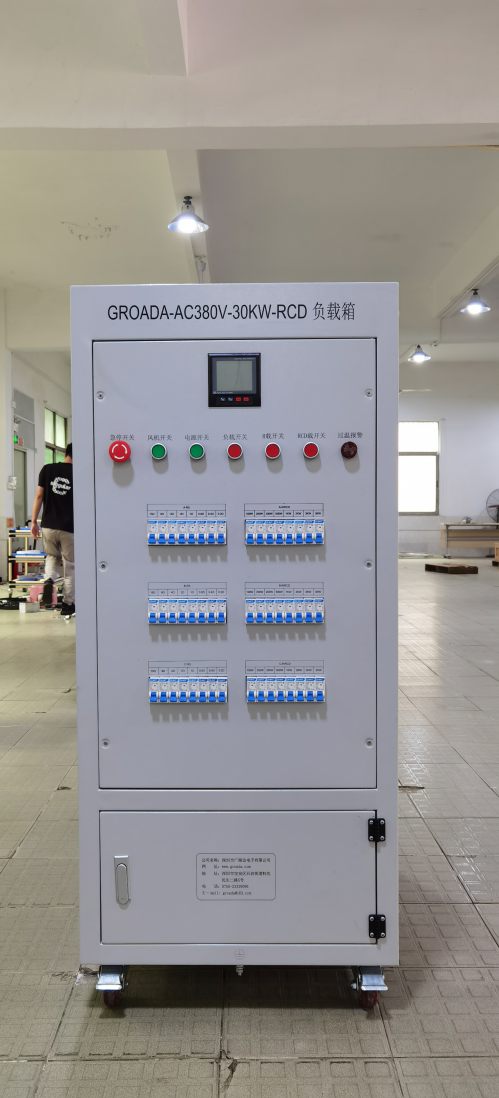
From an engineering perspective, resistive load banks are the most common type because they convert electrical energy directly into heat through high-power resistors. They allow precise control over kW loading and are ideal for checking engine torque response, fuel consumption, and exhaust emissions. However, modern applications increasingly require reactive load banks—either inductive (lagging PF) or capacitive (leading PF)—to test how a generator handles non-resistive loads, which are typical in motor-driven systems or electronic power supplies. A combination RLC load bank can simulate both types simultaneously, enabling comprehensive testing of generator voltage regulation, frequency stability, and AVR (Automatic Voltage Regulator) performance under realistic operating scenarios.
Key technical specifications for a high-quality portable load bank include rated power (from 50kW up to 2MW), three-phase capability (with neutral connection options), variable power factor adjustment (typically from 0.8 lag to 0.8 lead), and thermal protection systems. Cooling methods vary between air-cooled and water-cooled configurations; air-cooled units dominate due to simplicity and portability, while water-cooled models offer higher efficiency for continuous duty cycles exceeding 4 hours. Temperature rise limits must comply with IEC 60034-1 standards for motors and generators, ensuring safe operation within acceptable thermal margins (usually ≤70°C above ambient). Advanced models incorporate communication interfaces like Modbus RTU, Ethernet TCP/IP, and CAN bus, enabling remote monitoring via SCADA or mobile apps—a crucial feature for predictive maintenance strategies.
Safety remains paramount when using load banks. All units should meet CE, UL, or CCC certification requirements depending on regional markets. Critical safety features include grounding terminals, short-circuit protection, overtemperature sensors, and emergency stop buttons located on both the unit and remote control box. For example, if a fan fails or temperature exceeds preset thresholds, the system automatically shuts down to prevent damage to internal components or fire hazards. Additionally, IP ratings (e.g., IP54) indicate dust and splash resistance, making these devices suitable for outdoor or harsh environments like offshore platforms or desert regions.
Mechanical robustness is another key consideration. Portable load banks typically use steel chassis with lifting eyes, fork lift pockets, and rubber wheels for easy transport. Weight ranges from 150 kg for small single-phase units to over 3,000 kg for large three-phase systems. The structural integrity must support repeated movement without compromising electrical connections or insulation integrity. Regular calibration (recommended annually) ensures measurement accuracy of voltage, current, and power within ±1% of full scale—an industry standard requirement per IEEE 1159 for power quality measurements.
Case studies demonstrate practical benefits. In one anonymized case study involving a 1 MW diesel generator at a mining site, a portable RLC load bank was used to perform a full-load test after major overhaul. The test revealed a voltage dip during sudden load application—a sign of weak AVR response—that would have otherwise gone undetected until a grid failure occurred. Corrective action included recalibrating the excitation system, improving reliability by 30%. Another simulated example from a wind farm integration project showed that using a reactive load bank helped verify stable grid synchronization before connecting turbines to the main network—a step critical to preventing islanding events.
To maintain long-term reliability, manufacturers recommend replacing resistor blocks every 5 years or after 1,000 hours of continuous operation, depending on environmental exposure. Fans and cooling ducts should be cleaned quarterly, and all connections inspected monthly for corrosion or loosening. Spare parts kits—including fuses, thermocouples, and contactors—are commonly available, reducing downtime during servicing.
In conclusion, portable load banks are indispensable for maintaining the reliability and performance of electrical generation assets across diverse industries. Whether for routine checks or critical commissioning tasks, their ability to accurately simulate real-world loads enables proactive fault detection and optimized operational planning. With increasing adoption of hybrid power systems and decentralized energy sources, portable load banks will continue to play a central role in ensuring grid resilience and asset longevity.
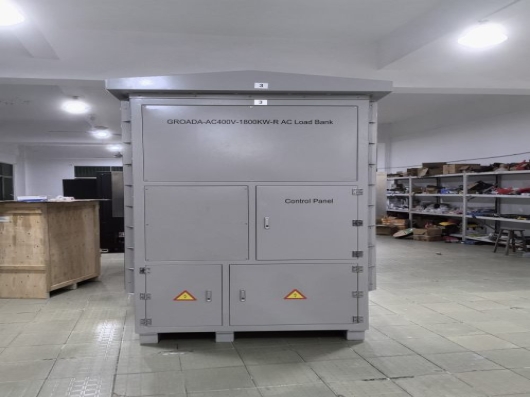 01
01
A resistive load bank tests generator performance by simulating real-world electrical loads. It ensu...
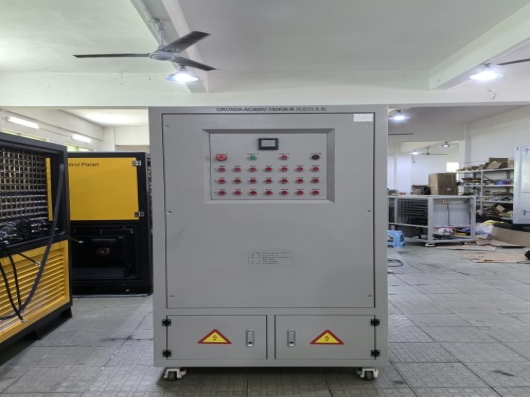 02
02
Portable load banks enable precise testing of generators and UPS systems under simulated real-world ...
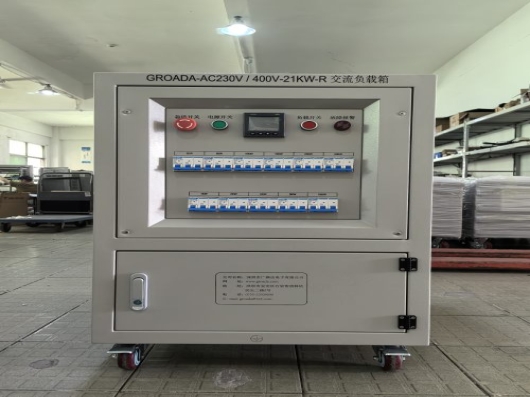 03
03
Chinese load bank tester factories produce reliable, high-accuracy equipment for generator and power...
 04
04
Portable load banks enable accurate generator and UPS performance validation by simulating real-worl...