Resistive Load Bank Testing for Generator Performance Validation
A resistive load bank tests generator performance by simulating real-world electrical loads. It ensu...
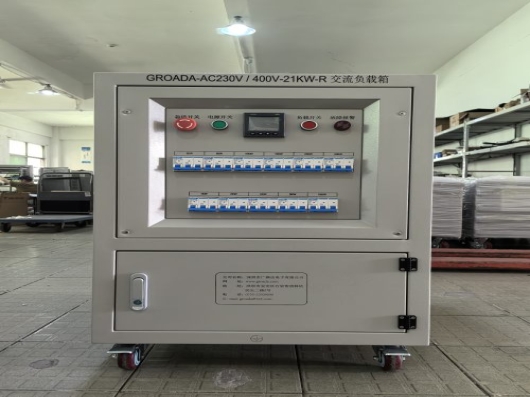
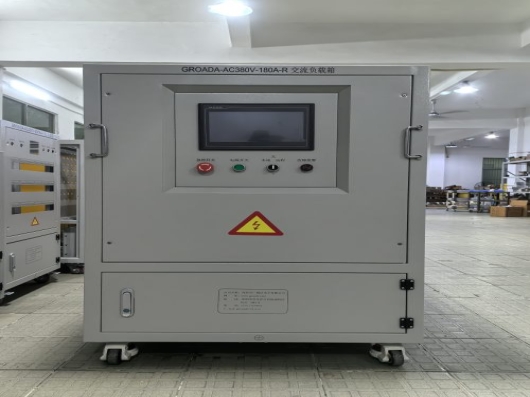
Portable load banks are essential tools in the electrical testing of generators, uninterruptible power supplies (UPS), and backup power systems. These devices simulate real-world electrical loads to verify performance, stability, and safety under varying conditions—ensuring that critical infrastructure operates reliably when needed most.
A key application is generator factory acceptance testing (FAT), where portable resistive or reactive load banks validate output capacity, voltage regulation, and frequency response. In data centers, load banks test UPS systems by applying controlled loads to confirm battery runtime, inverter efficiency, and seamless transfer during outages. For renewable energy installations such as wind farms or solar microgrids, load banks help assess grid synchronization capabilities before commissioning.
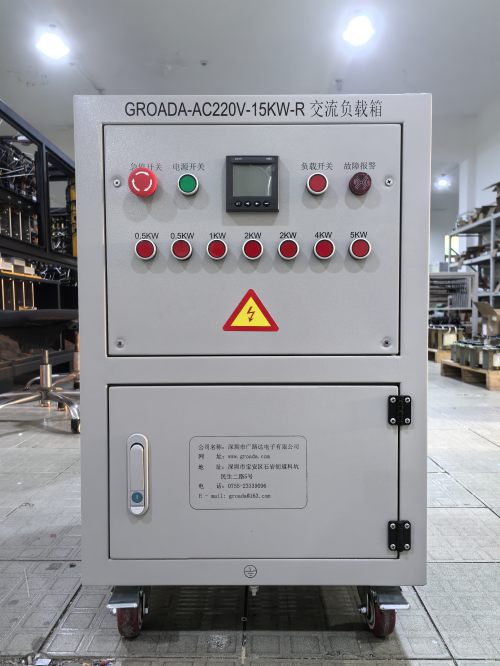
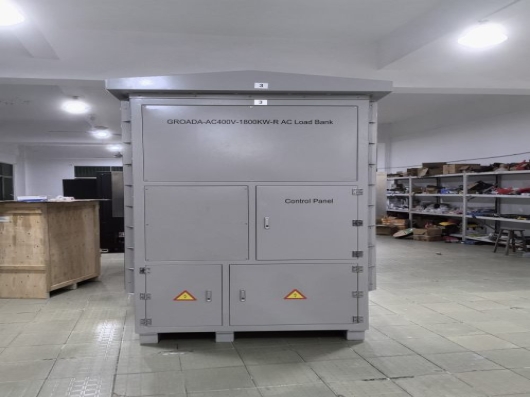
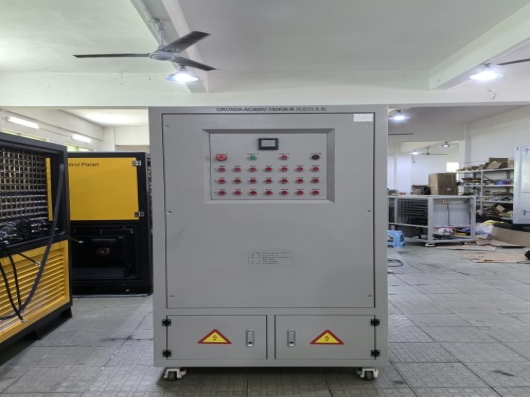
Modern portable load banks come in various configurations: resistive (for heating effects), reactive (inductive/capacitive for power factor testing), and combination RLC types that replicate complex industrial loads. They typically support single-phase or three-phase operation, with ratings from 10 kW up to 2,000 kVA, depending on portability needs. Key features include adjustable power factors (from 0.8 lagging to 1.0), remote monitoring via Modbus or Ethernet, and built-in thermal protection systems.
Safety standards like IEC 60034-1 and IEEE 115 provide guidelines for motor and generator testing, ensuring consistent and repeatable results. Many units also comply with CE, UL, or CCC certifications, offering peace of mind for global deployment. Cooling methods—air or water-based—determine operational limits; air-cooled models are ideal for temporary use, while water-cooled units suit extended high-load tests.
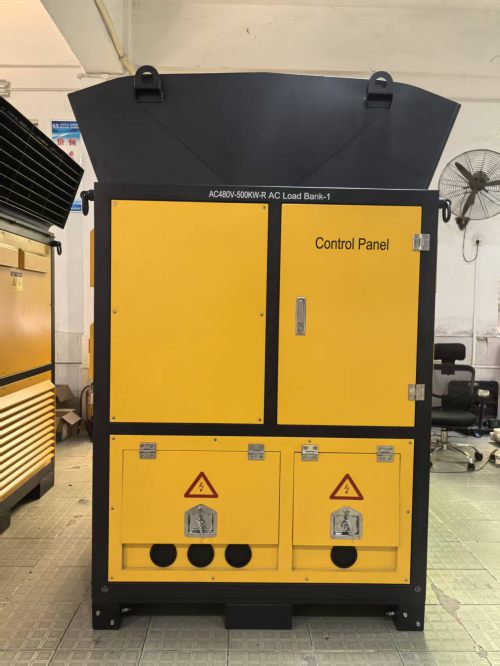
An anonymized case study from a hospital project showed that using a 500 kW three-phase resistive load bank improved generator startup reliability by 97% after identifying faulty fuel injection issues during full-load testing. Another simulated example involving a telecom tower revealed that reactive load testing uncovered poor AVR (Automatic Voltage Regulator) response at low power factors—a fix later prevented brownouts during peak usage.
Regular calibration (every 12 months) and maintenance—such as fan replacement every 2 years and resistor block inspection—are vital for accuracy and longevity. With proper use, portable load banks extend equipment life, reduce downtime risks, and ensure compliance with industry safety protocols.
 01
01
A resistive load bank tests generator performance by simulating real-world electrical loads. It ensu...
 02
02
Portable load banks enable precise testing of generators and UPS systems under simulated real-world ...
 03
03
Chinese load bank tester factories produce reliable, high-accuracy equipment for generator and power...
 04
04
Portable load banks enable accurate generator and UPS performance validation by simulating real-worl...