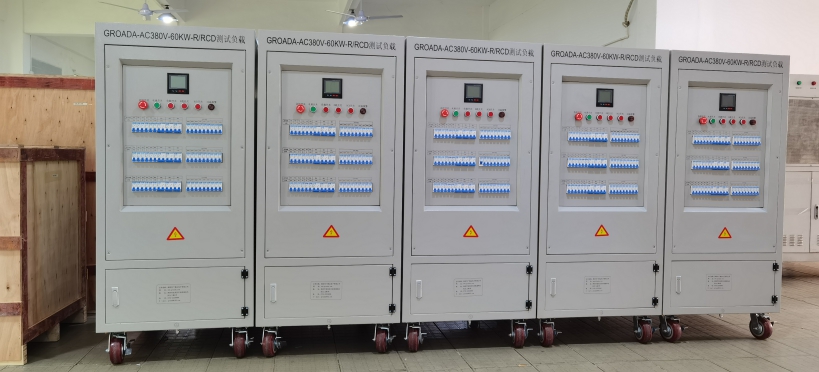
Portable load banks are essential tools in the field of power system testing, particularly for validating generator performance under real-world operating conditions. These devices simulate electrical loads to ensure that generators—whether used in data centers, hospitals, or remote industrial sites—can handle full-scale demands without failure. Unlike static or fixed installations, portable load banks offer flexibility in deployment, making them ideal for both factory acceptance tests (FAT) and on-site commissioning. A typical resistive load bank converts electrical energy into heat through precision-engineered resistor blocks, allowing for accurate measurement of active power (kW), voltage stability, and frequency response. Reactive load banks, on the other hand, introduce inductive or capacitive elements to test reactive power (kVAR) handling—a critical factor when integrating generators into grid systems or microgrids. Advanced models now combine resistive and reactive components (RLC load banks), enabling comprehensive three-phase testing across single- or three-phase configurations. Modern units feature digital control interfaces such as Modbus RTU or Ethernet-based protocols, supporting remote monitoring and automated load ramping. This capability is especially valuable in applications like renewable energy integration, where dynamic load profiles must be validated before grid connection. Safety is paramount: certified load banks comply with IEC 60034-1 for motor/generator testing and include overtemperature protection, emergency stop mechanisms, and grounding integrity checks. For example, an anonymized case study from a wind farm project showed that using a 500 kW portable RLC load bank during pre-grid synchronization testing identified a 7% voltage dip issue caused by insufficient reactive compensation—allowing corrective action before commercial operation. Based on our field experience, regular load testing every 6–12 months improves generator longevity and reduces unplanned downtime by up to 40%. With IP54-rated enclosures and fork-lift pockets for easy transport, today’s portable solutions meet both rugged operational needs and international safety standards like CE/UL/CCC.