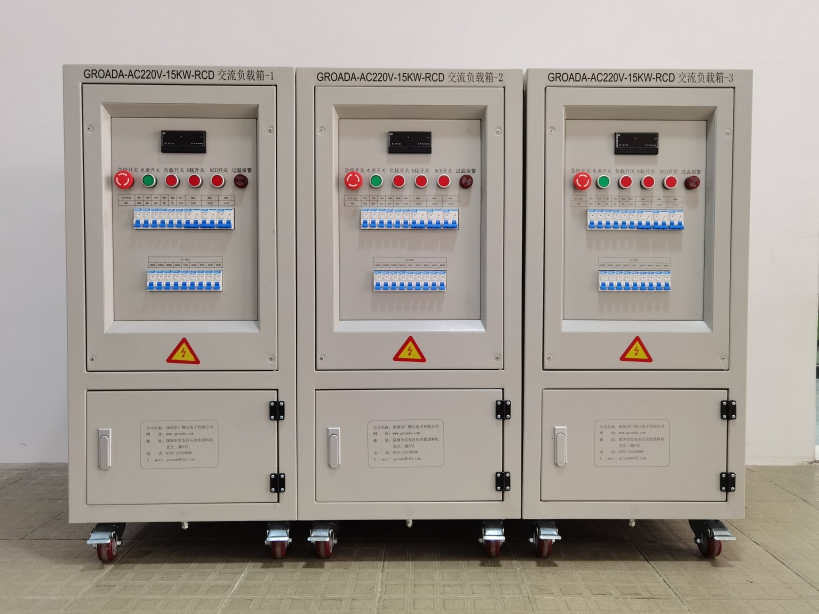
Portable load banks are essential tools in the testing and maintenance of generators, uninterruptible power supplies (UPS), and renewable energy systems such as wind farms and microgrids. These devices simulate real-world electrical loads to verify performance under various conditions—ensuring that backup power systems can handle full or partial loads without failure. A typical resistive load bank draws current in phase with voltage, while reactive (inductive or capacitive) load banks help assess system stability by introducing lagging or leading power factors. Combination RLC load banks offer comprehensive testing for both active and reactive power handling, making them ideal for industrial and utility-scale applications.
Practical applications include factory acceptance tests (FATs) for new generator installations, preventive maintenance checks, and commissioning of off-grid solar-plus-storage systems. In a simulated case study at a hospital in Southeast Asia, a 500 kW three-phase resistive load bank was used to test a diesel generator during scheduled maintenance. The test revealed a 12% drop in output efficiency under full load due to clogged air filters—an issue resolved before a potential outage. Similarly, portable load banks have been critical in validating grid interconnection compliance for wind turbines, where reactive power control is mandated by IEC 61400-21 standards.
Advantages include precise load regulation (±1% accuracy), remote monitoring via Modbus TCP or RS-485, and modular design for easy transport across job sites. Modern units often feature integrated thermal sensors, automatic shutdown on overheating, and IP54-rated enclosures for dust and splash resistance. However, common problems include inadequate cooling during prolonged high-load tests and improper grounding, which can cause false readings or equipment damage. To mitigate these risks, users should follow manufacturer guidelines for ventilation clearance and use certified grounding clamps per IEEE 1547 standards.
Latest trends include IoT-enabled load banks with cloud-based analytics, enabling predictive maintenance through trend analysis of voltage, current, and temperature over time. Additionally, water-cooled models now dominate large-scale testing due to superior heat dissipation compared to air-cooled alternatives—a shift driven by increasing demand for clean energy infrastructure reliability.