
Heater load banks are essential tools in the testing and validation of power generation systems, especially for generators used in critical infrastructure such as hospitals, data centers, and industrial facilities. These devices simulate real-world electrical loads by converting electrical energy into heat, allowing engineers to verify generator performance under various operating conditions—from idle to full load—without requiring actual connected equipment. A heater load bank typically uses resistive elements to create a controlled load that mimics the behavior of motors, lighting, or heating systems, making it ideal for factory acceptance tests (FAT), commissioning, and periodic maintenance checks.
The most common type is the resistive load bank, which offers stable, predictable performance with a fixed power factor near 1.0. However, modern applications increasingly require reactive and combination (RLC) load banks to test generators’ ability to handle inductive or capacitive loads, simulating scenarios like HVAC systems or uninterruptible power supplies (UPS). Portable load banks have gained popularity due to their ease of transport and flexibility, especially in remote locations or during emergency preparedness drills.
Key parameters include rated power (from 5 kW up to 5000 kW), voltage levels (230V–690V AC), and phase configurations (single-phase or three-phase). Advanced models feature digital control panels, remote monitoring via Ethernet or Modbus, and built-in safety protections such as overtemperature shutdowns and ground fault detection. Compliance with IEC 60034-1 (rotating machines) and IEEE 1159 standards ensures consistent testing accuracy and system compatibility.
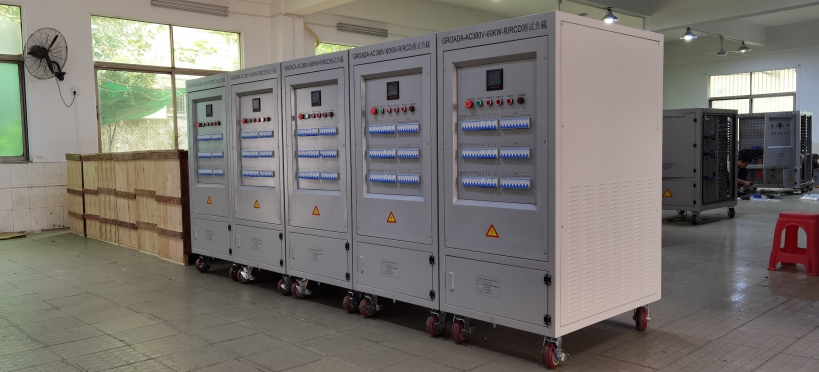
For example, an anonymized case study from a 2 MW diesel generator at a manufacturing plant showed improved fuel efficiency and reduced emissions after using a programmable heater load bank to identify inefficient combustion at partial load points. In another simulated scenario, a microgrid integration project successfully validated grid synchronization using a three-phase reactive load bank before connecting wind turbines to the main network.
These tools are not just for power professionals—they support smarter energy planning, reduce downtime risks, and help meet regulatory compliance in both commercial and utility-scale projects.









