
Load banks are essential tools in the power generation and electrical infrastructure industry, used to simulate real-world electrical loads during testing of generators, UPS systems, and renewable energy sources like wind turbines or solar farms. A critical component of many load bank systems—especially high-power or portable units—is effective thermal management, where chillers and air-cooling solutions play a pivotal role.
In resistive load banks, electrical energy is converted into heat, which must be dissipated safely to prevent overheating and ensure consistent performance. Traditional air-cooled load banks rely on forced-air fans to manage heat, but these systems can become inefficient under continuous heavy-load conditions or in high-ambient environments (e.g., 40°C+). This is where chiller-integrated load banks offer superior performance. By using a closed-loop refrigerant-based cooling system, chillers maintain stable internal temperatures, allowing for longer test durations at full-rated power without thermal derating.
Modern three-phase load banks often combine resistive, reactive, and capacitive elements (RLC), increasing complexity and heat output. In such cases, air-to-water heat exchangers paired with chillers provide efficient thermal control. These systems are commonly found in factory acceptance testing (FAT) of diesel generators and in grid integration tests for microgrids. For example, an anonymized case study from a generator manufacturer showed that integrating a chiller into a 500 kW resistive load bank reduced temperature rise by 32% compared to air-only cooling, enabling uninterrupted 8-hour load tests.
Key specifications for chiller-equipped load banks include adjustable cooling capacity (typically 10–100 kW), precise temperature control (±1°C), and compatibility with remote monitoring via Modbus or Ethernet interfaces. Safety features such as overtemperature shutdown, emergency stop buttons, and CE/UL-certified components ensure safe operation in industrial environments. Mechanical design includes IP54-rated enclosures, fork-lift pockets, and lifting eyes for easy transport.
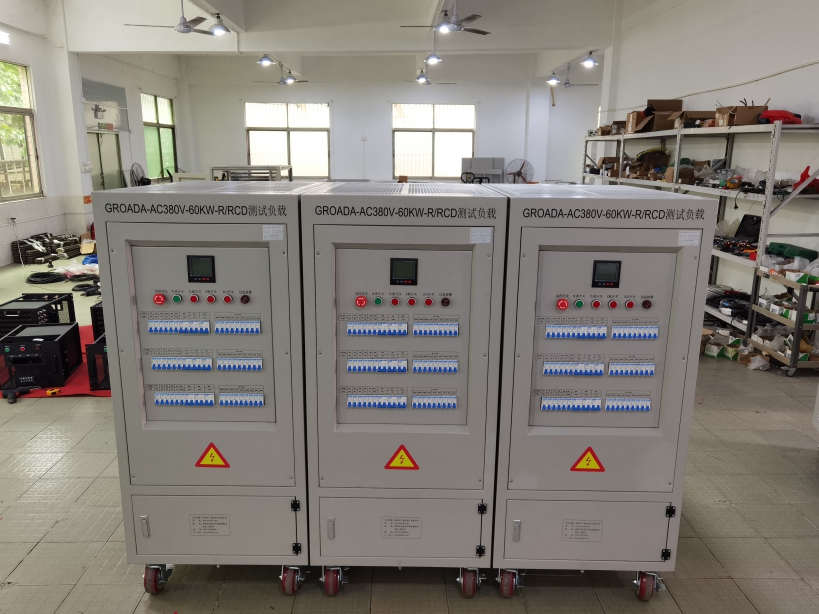
From a maintenance standpoint, regular calibration (annually recommended per IEC 61010-1 standards) and fan/resistor block replacement every 3–5 years are essential. Chilled load banks also support dynamic load profiling—critical for testing modern inverters and smart grid technologies. As global demand for reliable backup power grows, especially in data centers and hospitals, the integration of chillers and advanced air-cooling methods has become a best practice in professional load testing.