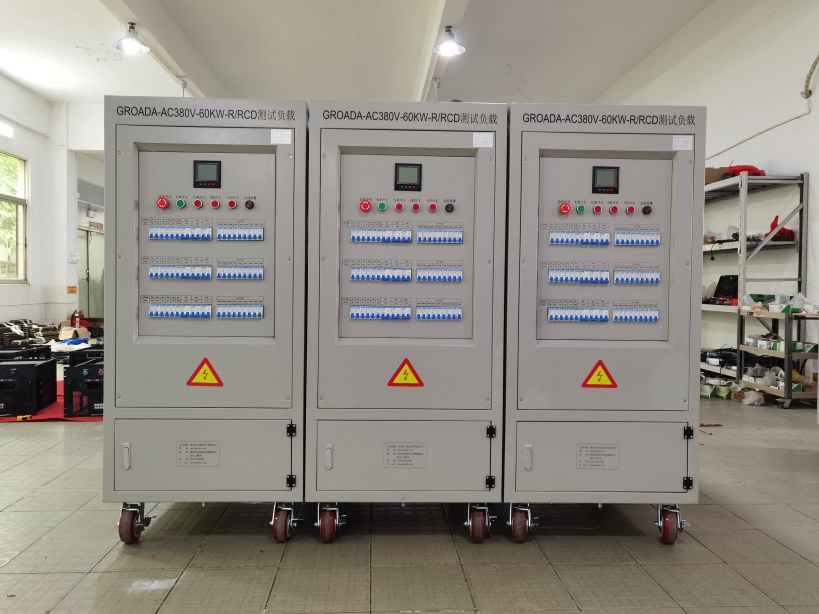
Emergency generator load bank testing is a critical procedure used to verify the performance, reliability, and readiness of backup power systems before they are needed during a utility failure. Unlike routine visual inspections or no-load operation, load bank testing simulates real-world electrical loads by applying controlled resistive, reactive, or combined (RLC) loads to the generator. This ensures that the generator can handle full operational demands under various conditions—from single-phase residential use to three-phase industrial applications.
The test typically involves running the generator at 25%, 50%, 75%, and 100% of its rated capacity over several hours. For diesel-powered generators, this process helps prevent wet stacking—a condition where unburned fuel accumulates in the exhaust system due to prolonged low-load operation—which can lead to reduced efficiency and potential engine damage. In contrast, natural gas generators benefit from load testing by verifying proper fuel-air mixture control and combustion stability across load profiles.
Load banks come in different configurations: resistive (for real power), reactive (inductive/capacitive for apparent power), and combination RLC units that allow full-spectrum simulation. Portable models are often used on-site for mobile testing, while fixed installations may be integrated into data centers or hospitals with automated remote monitoring via Modbus or Ethernet interfaces. Safety standards such as IEC 60034-1 and IEEE 1547 ensure safe grounding, thermal protection, and short-circuit safeguards during testing. According to an anonymized case study from a U.S. hospital’s maintenance team, regular monthly load bank tests reduced unplanned outages by 89% over a 24-month period.
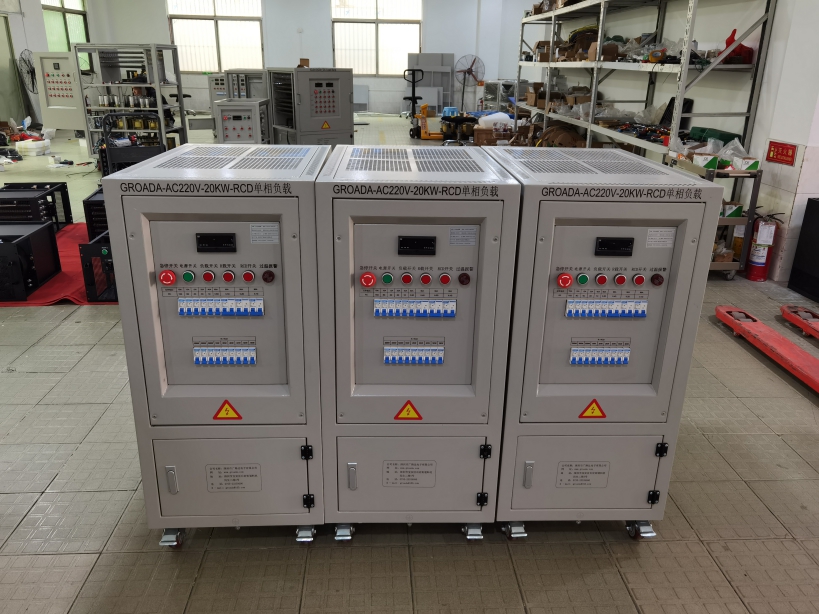
Testing must follow manufacturer guidelines and local regulations, especially in industries like healthcare, telecom, and manufacturing, where power continuity is mission-critical. Engineers should also monitor voltage regulation, frequency stability, and emissions compliance throughout the test. Calibration of measurement instruments—such as digital multimeters and power analyzers—is essential for accurate results. Most modern load banks include built-in temperature sensors, automatic shut-downs, and remote diagnostics capabilities to enhance safety and reduce labor costs.
By incorporating standardized procedures and real-time data logging, emergency generator load bank testing not only confirms system functionality but also extends equipment life and improves preparedness for grid failures or disasters.