
Load banking is a critical process used across industries such as power generation, renewable energy, and data center operations to test the performance, reliability, and safety of electrical systems under real-world conditions. At its core, a load bank simulates electrical loads—like those from motors, lighting, or industrial equipment—without requiring actual consumption of power. This makes it an essential tool for commissioning new generators, verifying backup power systems, and validating grid interconnection stability.
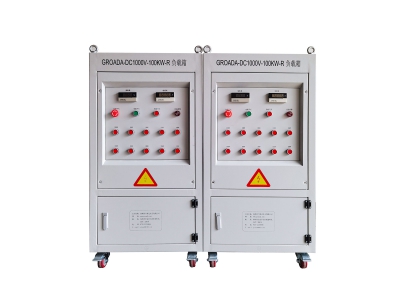
There are three primary types of load banks: resistive, reactive (inductive), and capacitive. Resistive load banks convert electrical energy into heat using high-power resistor blocks and are ideal for testing generators' mechanical and thermal performance. Reactive load banks simulate inductive loads—common in motors and transformers—and are often used with capacitive banks to balance power factor. A combination RLC load bank offers full-spectrum testing, allowing engineers to replicate complex electrical environments.
Modern load banks operate via active or passive circuits. Passive systems use fixed resistor networks controlled by contactors, while active systems use power electronics (e.g., IGBTs) to dynamically adjust load levels. Active load banks provide precise control over voltage, current, and power factor, making them suitable for automated testing in smart grids or microgrids.
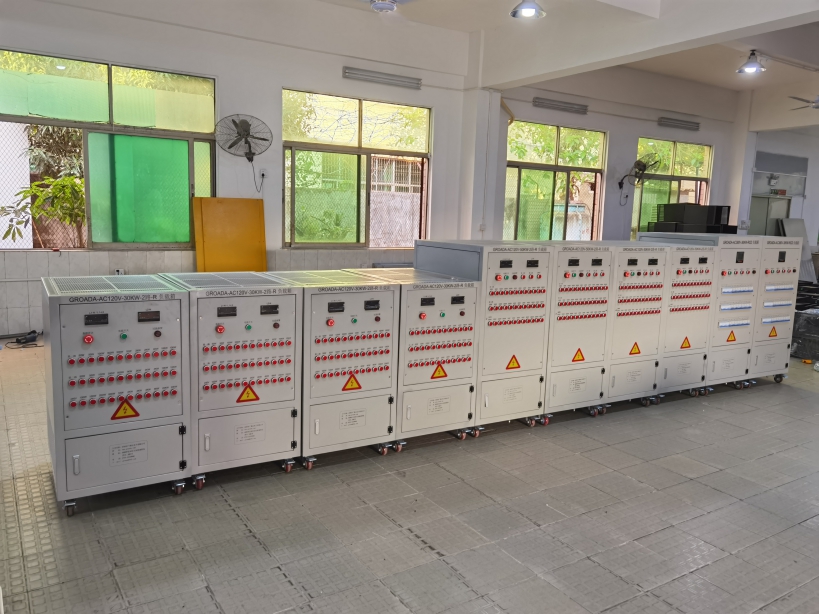
Key parameters include rated power (from 5 kW up to 10 MW), voltage levels (up to 690 V AC), phase configurations (single or three-phase), and cooling methods (air- or water-cooled). Safety features such as overtemperature protection, emergency stop buttons, and grounding compliance (CE/UL/CCC certified) ensure safe operation in both portable and fixed installations.
In practice, load testing helps identify issues like fuel system inefficiencies, voltage instability, or harmonic distortion before they cause failures during real emergencies. For example, a simulated case study involving a 500 kW diesel generator showed that load banking revealed a 3% voltage dip under full load—prompting corrective action before site commissioning.
Engineers rely on standardized protocols such as IEC 60034-1 for motor testing and IEEE 115 for generator acceptance tests, ensuring consistency and compliance. With remote monitoring via Modbus or Ethernet interfaces, today’s load banks support predictive maintenance and cloud-based diagnostics, enhancing operational efficiency and reducing downtime.