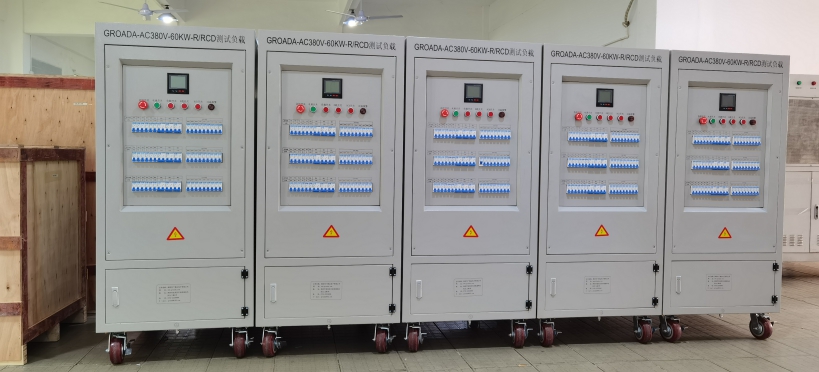
Portable load banks are essential tools for validating the performance, reliability, and safety of generators, uninterruptible power supplies (UPS), and renewable energy systems. Whether during factory acceptance testing, site commissioning, or routine maintenance, these devices simulate real-world electrical loads to ensure that power sources can deliver consistent output under varying conditions.
The main body of this article explores how portable resistive, reactive, and combination (RLC) load banks function across single-phase and three-phase configurations. Resistive load banks convert electrical energy into heat using precision resistor blocks—ideal for testing generator capacity and engine cooling systems. Reactive load banks introduce inductive or capacitive reactance to assess voltage regulation and excitation system response, especially critical for diesel and gas-powered generators. RLC load banks combine both features, offering comprehensive load simulation for complex power systems such as microgrids or wind farms connected to the utility grid.
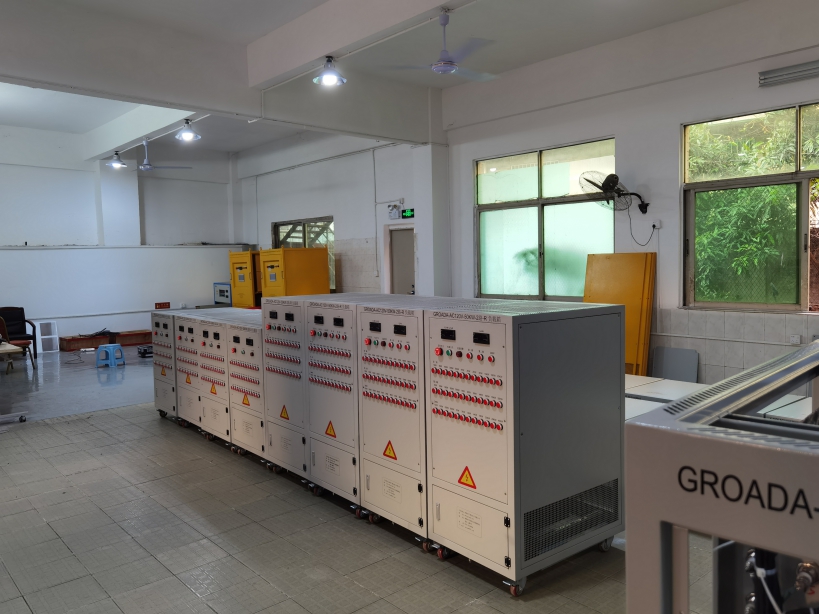
Key technical parameters include power rating (from 5 kW up to 5000 kVA), voltage compatibility (120–600 V AC), phase configuration (single or three-phase), and thermal protection mechanisms like air-cooled fans or water-cooling systems. Modern units often integrate digital controls via Modbus or Ethernet protocols, enabling remote monitoring, automated ramping, and data logging for compliance with standards like IEC 60034-1 and IEEE 1159.
A simulated case study from a wind farm project in Northern Europe illustrates how a 1500 kVA portable RLC load bank was used over 72 hours to test grid synchronization stability before commercial operation. The test confirmed stable voltage regulation within ±2% and accurate power factor control between 0.8 lagging and 0.9 leading—a result directly tied to IEC 60034-1 motor performance benchmarks.
In conclusion, portable load banks provide an efficient, repeatable method for ensuring power system readiness. Their versatility, portability, and compliance with international standards make them indispensable for engineers working in construction, industrial, and utility sectors. Proper calibration, maintenance, and operator training further enhance accuracy and safety during testing procedures.