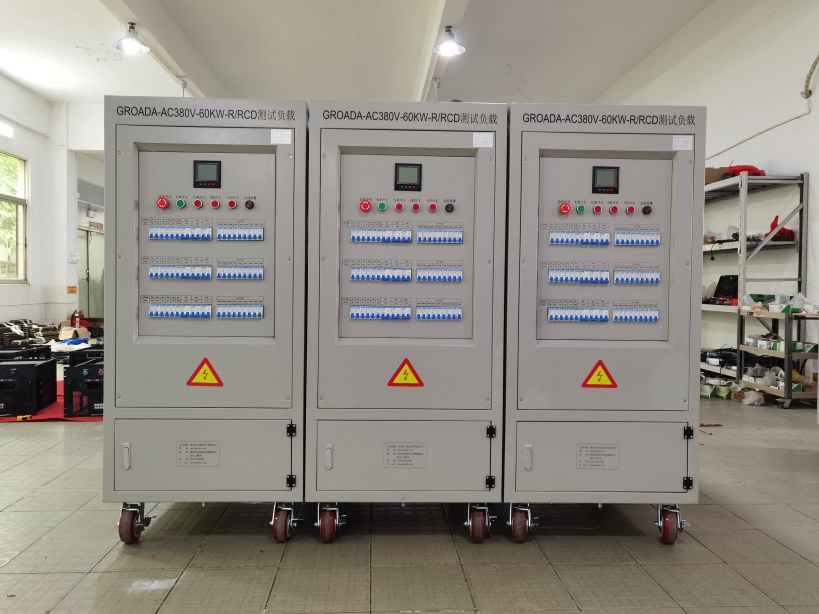
Resistive load banks are essential tools in electrical testing, especially for validating the performance and reliability of generators, UPS systems, and power sources. These devices simulate real-world electrical loads by converting electrical energy into heat through resistive elements, allowing engineers to verify a system's ability to handle full-load conditions without mechanical stress or voltage instability. The introduction of a resistive load bank into a test setup enables precise control over load levels, making it ideal for factory acceptance tests (FAT), commissioning, and periodic maintenance checks. In the main body, the design and operation of these load banks involve key parameters such as rated power (kW), voltage levels (e.g., 230/400 V AC), number of phases (single or three-phase), and current capacity. Modern models often include remote monitoring via Modbus or Ethernet interfaces, thermal protection systems, and built-in measurement accuracy (±1% for voltage, current, and power). Safety features like short-circuit protection, overtemperature shutdown, and E-STOP mechanisms ensure safe operation under various load profiles. Case studies from industrial applications—such as testing a 500 kW diesel generator for a hospital backup system—demonstrate how resistive load banks can identify issues like poor fuel efficiency or uneven phase loading before critical failure occurs. Conclusively, integrating a high-quality resistive load bank into testing protocols ensures generator longevity, compliance with standards like IEC 60034-1, and confidence in power infrastructure readiness during emergencies. Proper calibration (every 12 months) and maintenance of resistor blocks and cooling fans further extend equipment life and data accuracy.