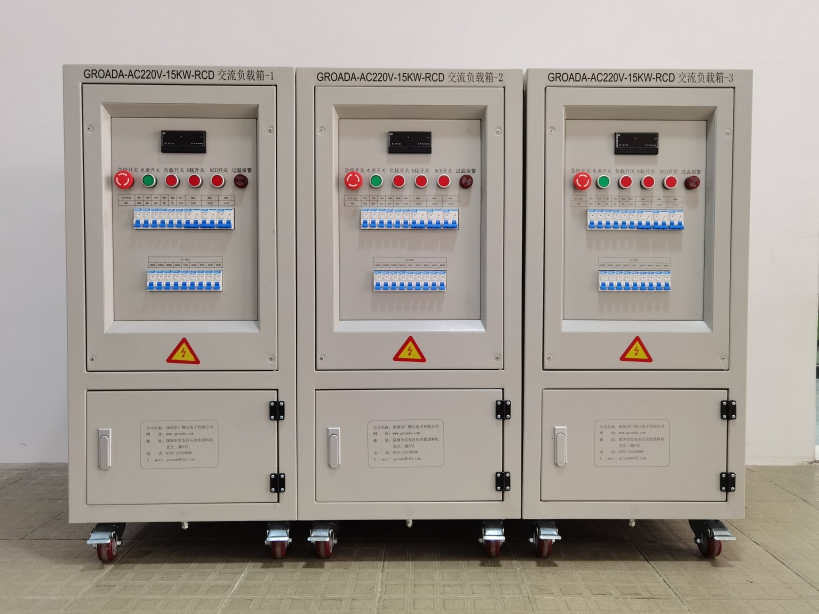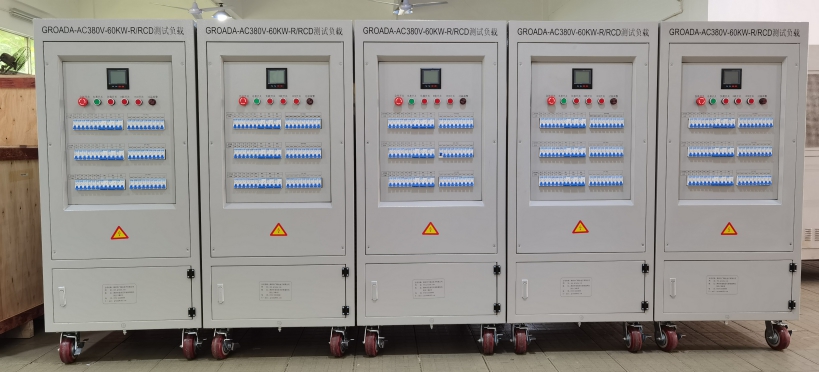
Portable load banks are essential tools for validating the performance, reliability, and safety of generators, UPS systems, and renewable energy sources such as wind or solar farms. These devices simulate real-world electrical loads to ensure that power generation units operate correctly under full, partial, or varying load conditions—critical for both factory acceptance testing (FAT) and field maintenance. A typical portable resistive load bank can deliver up to 1000 kW per phase in three-phase configurations, with voltage levels ranging from 120 V to 600 V AC, making it suitable for commercial, industrial, and utility-scale applications.
Modern load banks incorporate advanced control systems using Modbus RTU or Ethernet protocols for remote monitoring and automated testing sequences. They feature built-in thermal protection, overcurrent safeguards, and emergency stop functionality compliant with IEC 60947-5-1 and UL 1008 standards. For portability, many models include fork-lift pockets, lifting eyes, and IP54-rated enclosures to withstand harsh environments.
In a simulated example at a mid-sized manufacturing facility, a 300 kVA diesel generator was tested using a portable resistive-reactive load bank. The test included a 60-minute full-load run at 0.8 lagging power factor, followed by a step-load sequence to verify governor response time. Results showed stable voltage regulation within ±2% and no overheating issues—validating the generator’s readiness for critical operations.
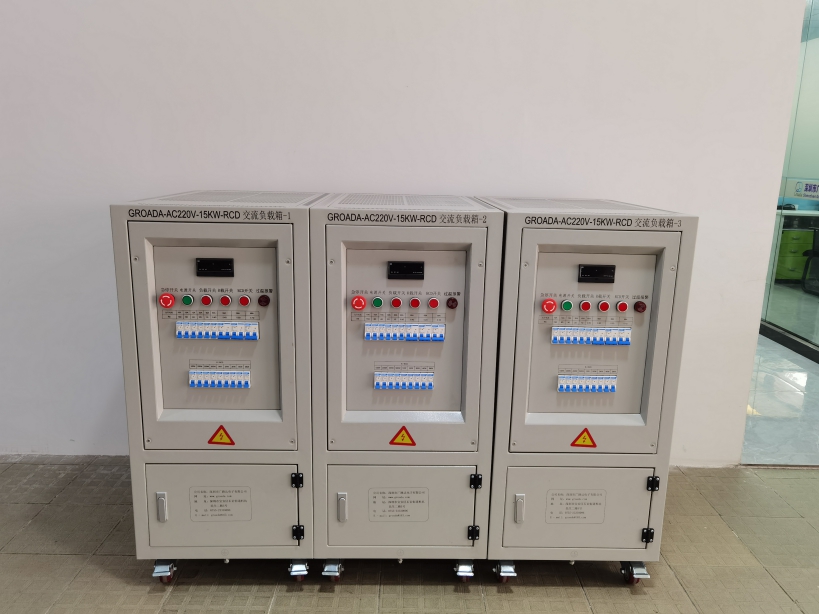
Maintenance best practices include annual calibration against NIST-traceable standards and replacement of resistor blocks every 5 years based on thermal cycling data. This ensures consistent accuracy across repeated tests, particularly important for compliance with IEEE 1159 and IEC 61000-4-30 guidelines for power quality validation.
These systems are also used in microgrid integration studies where reactive power compensation must be verified before grid synchronization. Their versatility makes them indispensable for engineers conducting commissioning, predictive maintenance, and performance verification tasks worldwide.