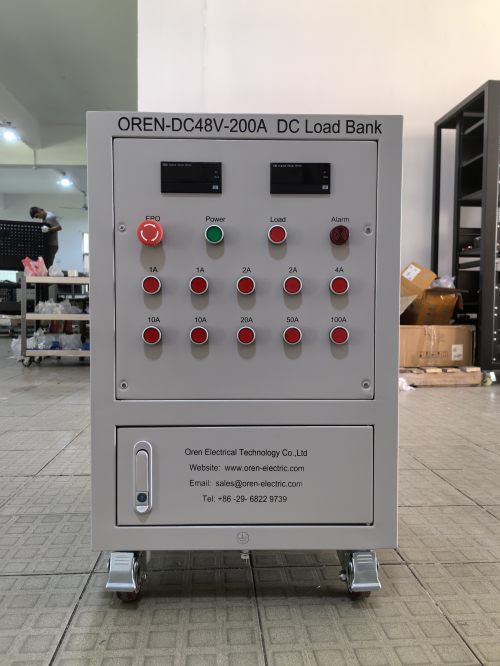
In the remote coastal town of Port Lincoln, South Australia, where reliable power is critical for both industrial operations and community services, load bank testing plays a vital role in ensuring generator performance under real-world conditions. A load bank simulates electrical demand by converting electrical energy into heat, allowing engineers to test generators, UPS systems, and renewable energy inverters without relying on actual loads. In Port Lincoln’s context—where marine industries, aquaculture facilities, and emergency backup systems must operate continuously—load testing helps validate generator capacity, assess cooling system efficiency, and detect early signs of mechanical or electrical faults.
Load banks used in this region are typically three-phase resistive or combination (RLC) types, capable of delivering up to 1000 kW per phase with adjustable power factors ranging from 0.8 lagging to 1.0. They are often portable, featuring IP54 enclosures, integrated cooling fans, and thermal protection circuits that prevent overheating during extended tests. Compliance with IEC 60034-1 (rotating machines – performance) and IEEE 1159 (power quality standards) ensures accurate measurement of voltage regulation, frequency stability, and harmonic distortion—all essential for grid-connected systems such as wind farms or microgrids near the coast.
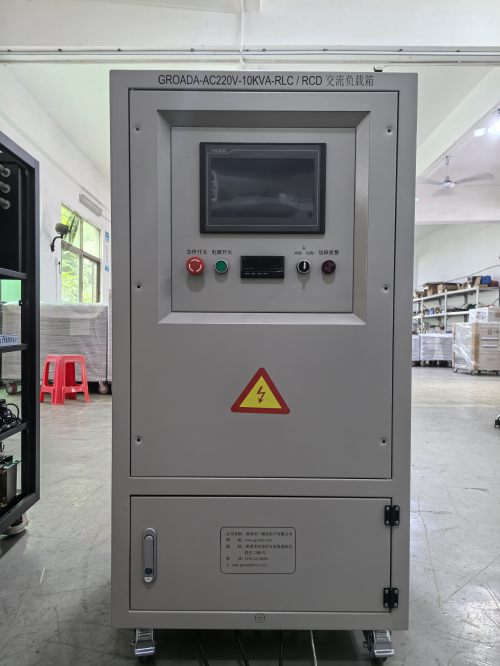
An anonymized case study from a local fish processing plant shows how a 250 kVA diesel generator was tested using a resistive load bank at 75% rated load for 4 hours. The test revealed a 3% voltage drop under full load, prompting the installation of an automatic voltage regulator (AVR). This improved output consistency and reduced downtime during peak production periods. Another example involved a solar-plus-storage system where reactive load banks were used to simulate varying power factor demands, enabling optimal inverter tuning before commissioning.
Modern load banks now support remote monitoring via Modbus RTU or Ethernet protocols, allowing operators in Adelaide or even overseas to oversee test sequences in real time—a significant advantage for maintenance teams based far from Port Lincoln. These devices also feature data logging capabilities, storing parameters like temperature rise, current imbalance, and power factor over time for compliance reporting.
Portable, rugged, and precision-engineered, load banks remain indispensable tools for any facility manager or engineer seeking to guarantee uptime, meet regulatory requirements, and extend equipment life in demanding environments like Port Lincoln.