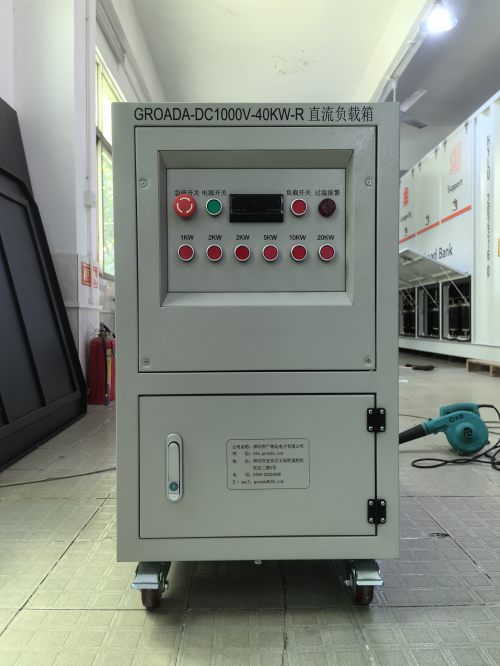
Portable load banks are essential tools in the testing and validation of power generation systems, including diesel generators, gas turbines, and renewable energy inverters. Their primary purpose is to simulate real-world electrical loads to verify a generator’s ability to perform under varying conditions—from idle to full capacity—ensuring reliability, efficiency, and safety before commissioning or during routine maintenance.
The main body of portable load bank applications centers on three core functions: factory acceptance testing (FAT), preventive maintenance, and grid integration verification. During FAT, manufacturers use resistive load banks to test output stability, voltage regulation, and fuel efficiency at different load levels. In field operations, such as in remote construction sites or hospitals, portable reactive or RLC (resistive-inductive-capacitive) load banks allow engineers to assess how generators handle inductive loads from motors or capacitive loads from power factor correction equipment. For microgrid or wind farm projects, load banks simulate grid-connected scenarios by introducing controlled harmonic distortion and frequency variations, helping validate protection relay settings and synchronization capabilities.
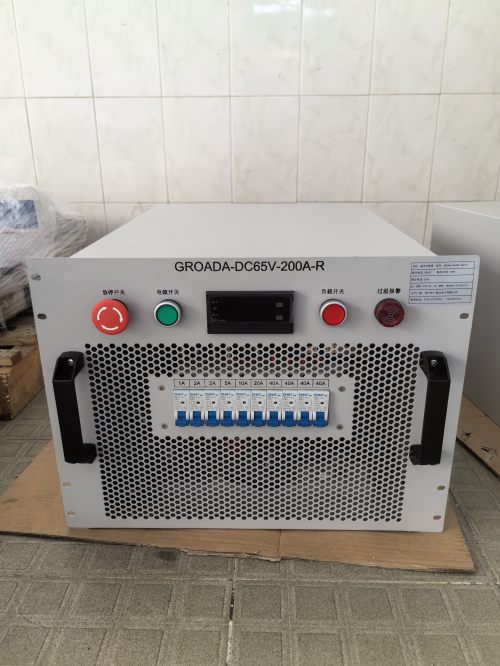
Modern portable load banks incorporate advanced features like remote monitoring via Modbus or Ethernet interfaces, automatic load step control, and built-in data logging for compliance with IEC 60034-1 (rotating machines) and IEEE 1547 (distributed energy resources). These standards ensure that testing procedures align with international best practices for performance evaluation and safety. Thermal management is critical—air-cooled units typically dissipate up to 200 kW per phase, while water-cooled models support higher power densities for continuous operation. Safety features include overtemperature shutdown, E-STOP functionality, and grounding compliance per UL/CE certification requirements.
A simulated case study from a hospital backup system showed that after applying a 90% load step using a three-phase resistive load bank, generator voltage dropped by only 2.3%, confirming stable performance under stress. Another anonymized example from an industrial facility revealed that reactive load testing helped identify a mismatched excitation system, leading to a firmware update that improved power factor from 0.82 to 0.96. These outcomes highlight the value of structured load testing in preventing unexpected failures and optimizing operational efficiency.
In conclusion, portable load banks are not just diagnostic tools—they are vital for ensuring generator longevity, regulatory compliance, and uninterrupted power delivery across industries. With evolving demands from smart grids and hybrid power systems, their role will continue to expand, making them indispensable in modern energy infrastructure planning and maintenance strategies.