
Generator reliability is critical in power systems, especially in backup and off-grid applications. A resistive load bank is an essential tool used to simulate real-world electrical loads during testing, ensuring generators operate efficiently under various conditions. This method validates performance metrics such as voltage regulation, frequency stability, and fuel efficiency—key indicators of system health.
The main body begins with the fundamental principle: resistive load banks convert electrical energy into heat through controlled resistance elements. Unlike reactive or capacitive loads, they provide a pure resistive load (power factor ≈ 1), making them ideal for verifying generator output capacity without complicating phase relationships. These load banks are typically available in single-phase or three-phase configurations and can be portable or fixed installations depending on application needs.
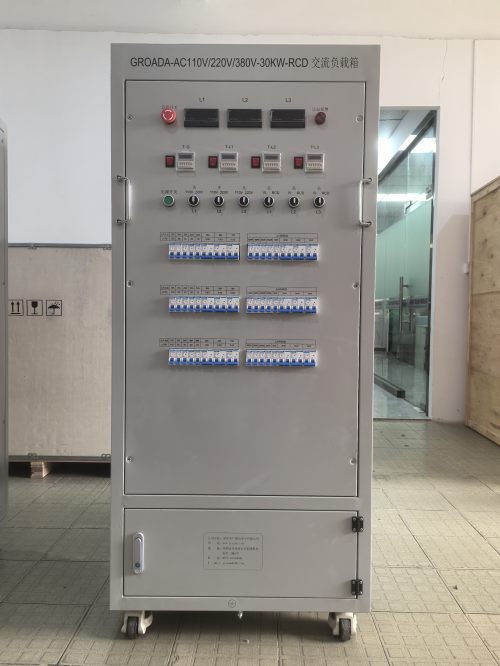
Key parameters include rated power (from 5 kW to over 5000 kW), voltage levels (230 V to 10 kV), and current ranges up to several hundred amperes. Modern units incorporate digital control systems with Modbus or Ethernet interfaces for remote monitoring and automated test sequences. Thermal management is crucial—many use forced air cooling with temperature sensors and automatic shutdown if overheating occurs. Safety features like ground fault protection, overvoltage/undervoltage detection, and emergency stop buttons ensure safe operation per IEC 60034-1 and UL 1004 standards.
Case studies demonstrate effectiveness: In one simulated example, a 1000 kW diesel generator was tested using a three-phase resistive load bank at 25%, 50%, 75%, and 100% load points over 4 hours. Voltage variation stayed within ±2%, and no mechanical anomalies were detected. Another anonymized case from a hospital’s standby power system showed improved generator response time after load bank testing revealed inconsistent idle speed behavior—a fix later validated by reduced startup delays.
In conclusion, resistive load bank testing offers a repeatable, standardized approach to validate generator performance before commissioning or routine maintenance. It ensures readiness for real-world failure scenarios, reduces downtime risks, and supports compliance with international electrical safety norms. For engineers, procurement teams, and facility managers, it remains one of the most effective methods for maintaining grid resilience.









