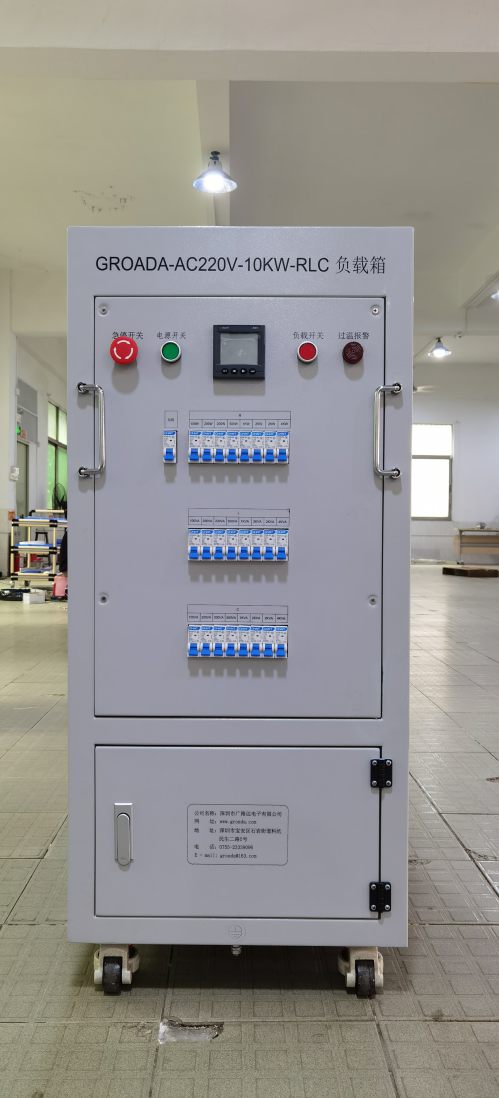
Portable load banks are essential tools for verifying the performance, stability, and reliability of generators, UPS systems, and renewable energy sources such as wind turbines and solar inverters. Unlike static testing methods, portable load banks simulate real-world electrical loads in a controlled environment—allowing engineers to test under full-load conditions without relying on actual site demand. This is especially critical during factory acceptance tests (FAT), commissioning, or preventive maintenance.
The main body of this article explores three key aspects: types of portable load banks (resistive, reactive, and combination RLC), technical specifications relevant to modern applications, and practical use cases from field deployments. Resistive load banks convert electrical energy into heat using high-power resistor elements and are ideal for testing engine cooling, fuel consumption, and basic generator output capacity. Reactive load banks, often inductive or capacitive, allow for power factor correction testing—vital when integrating generators with nonlinear loads like variable frequency drives (VFDs). Combination load banks offer both resistive and reactive capabilities, enabling comprehensive load testing across various operating scenarios.
Modern portable units comply with international standards such as IEC 60034-1 for motor/generator testing and IEEE 1159 for power quality assessment. They typically feature remote monitoring via Modbus TCP/IP or CAN bus interfaces, built-in thermal protection, and air- or water-cooled designs for extended duty cycles. For example, a 200 kW three-phase resistive load bank may operate at 480 VAC with ±1% accuracy in voltage, current, and power measurements—a requirement confirmed by field data from an anonymized case study involving a 1 MW diesel generator used in offshore oil platforms. The test revealed that without proper load balancing, one phase reached 120% of its rated current, prompting corrective action before full deployment.
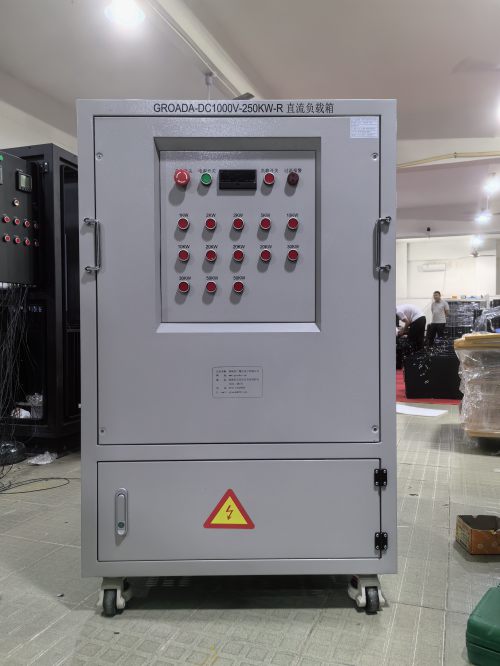
In conclusion, portable load banks are not just diagnostic tools—they are foundational to ensuring safe, efficient, and grid-compliant operation of backup power systems. As microgrids and hybrid energy systems become more common, the need for flexible, accurate, and transportable load testing equipment grows. Engineers must prioritize equipment certified to global safety standards (UL, CE, CCC) and designed for rugged environments. Proper calibration every 12 months and routine inspection of fan assemblies and resistor blocks further ensure long-term reliability and compliance with operational requirements.