
In modern power systems—from data centers to remote microgrids—ensuring the reliability of backup generators, UPS units, and renewable energy sources is critical. One of the most effective methods for verifying performance under real-world conditions is load bank testing. A portable load bank is a compact, mobile device that simulates electrical loads to test generator sets, inverters, and other power generation equipment without relying on actual consumer demand. This comprehensive guide explores how portable load banks are used across industries, their technical specifications, safety standards, operational benefits, and key application scenarios such as factory acceptance testing (FAT), commissioning, and preventive maintenance.
The core function of any load bank is to replicate an electrical load by converting electrical energy into heat through resistive, reactive, or combined RLC circuits. Resistive load banks are the most common type, designed to draw active power (kW) from the system. They mimic the behavior of lighting, heating, and motor loads, making them ideal for testing diesel or natural gas generators. Reactive load banks, on the other hand, simulate inductive or capacitive loads (kVAR), which are essential for evaluating voltage regulation and excitation systems in alternators. A combination (RLC) load bank can handle both types simultaneously, enabling full-spectrum testing that reflects complex real-world electrical environments.
Portable load banks typically range from 50 kW to over 1 MW in capacity and come in single-phase or three-phase configurations. Their mobility makes them indispensable during field tests where fixed infrastructure is unavailable or impractical. For example, a 200 kW portable resistive load bank may be mounted on a trailer with wheels and lifting eyes for easy transport between sites. These units often feature robust IP54-rated enclosures, internal fans for forced-air cooling, and integrated thermal protection to prevent overheating—a critical design consideration when operating continuously at high load levels.
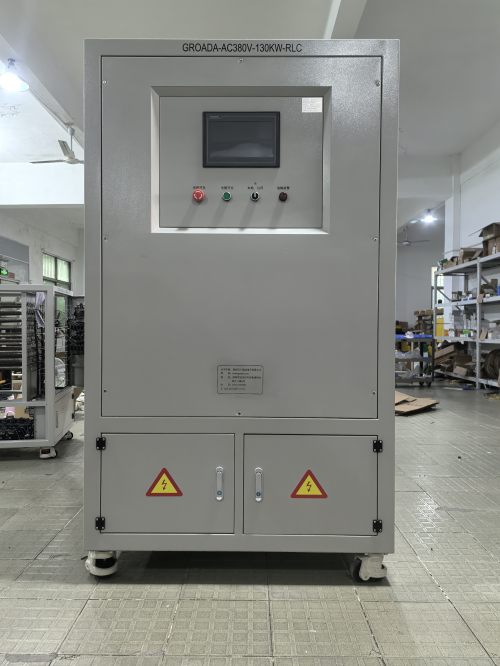
Key parameters include rated power (kW/kVA), voltage level (e.g., 120/208V, 240/400V, or 480/830V), phase configuration, current range (from tens to hundreds of amperes), and adjustable power factor (typically 0.1–1.0 lagging). Advanced models offer digital controls via Modbus RTU, CAN bus, Ethernet, or RS-485 communication protocols, allowing remote monitoring and automated load cycling. Some units also provide built-in instrumentation for measuring voltage, current, active power, reactive power, and power factor—all with accuracy within ±1% of full scale, per IEC 61000-4-30 Class A standards.
Safety is paramount in load bank operations. All units must comply with regional certifications such as CE (Europe), UL (USA), or CCC (China). Features like grounding terminals, short-circuit protection, overtemperature shutdowns, and emergency stop buttons ensure safe handling even in harsh environments. In industrial applications, operators should follow IEC 60364-7-710 guidelines for electrical safety when installing and using load banks.
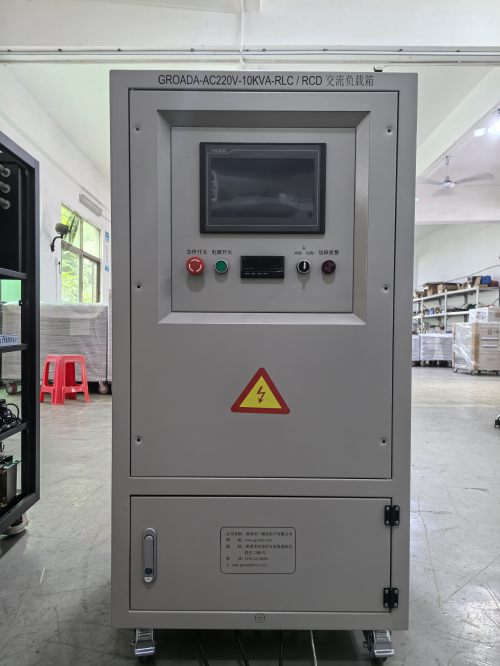
Maintenance practices are equally important. Most manufacturers recommend annual calibration using NIST-traceable instruments to maintain measurement accuracy. Consumable parts such as resistor blocks, fan motors, and contactors have service lives ranging from 2–5 years depending on usage intensity. Spare parts lists—including spare resistors, fuses, and control boards—are typically provided by vendors for quick replacement during downtime.
Case Study – Anonymized Example: A mining operation in northern Canada required generator set validation before commissioning a new 500 kW diesel generator. Using a 400 kW portable resistive load bank, engineers performed a 2-hour full-load test followed by a 30-minute ramp-up/down cycle. During testing, they detected a 7% drop in voltage regulation under varying loads, prompting a recalibration of the AVR (Automatic Voltage Regulator). Post-adjustment, the generator passed all FAT criteria, including compliance with IEEE 1547 for grid interconnection.
Another example involves a hospital in South Asia conducting quarterly load testing on its backup generator system. By deploying a 150 kW three-phase reactive load bank, the facility validated the ability of the generator to supply both active and reactive power needed for medical equipment. This proactive approach prevented potential failures during outages and ensured continuity of care.
For procurement teams, understanding these technical aspects helps in selecting the right equipment based on project requirements. Whether you’re planning a wind farm connection test or preparing for a UPS load bank validation in a telecom tower, choosing a reliable, well-documented, and certified portable load bank is essential. Industry experts note that integrating load testing into routine maintenance schedules significantly improves uptime and reduces unexpected breakdowns—an estimated 30% reduction in unplanned downtime, according to a 2023 study published by the International Association of Electrical Inspectors (IAEI).
To further enhance trust and clarity, consider requesting third-party test reports or calibration certificates from suppliers. Also, look for vendors who support long-term service agreements and provide training for staff on safe operation and basic diagnostics.
In conclusion, portable load banks are not just tools—they are integral components of power system resilience strategies. When selected, operated, and maintained properly, they deliver actionable insights into generator health, improve regulatory compliance, and ultimately protect critical infrastructure against failure.









