
Resistive load banks are essential tools in power system testing, especially for validating generator performance under real-world conditions. These devices simulate electrical loads by converting electrical energy into heat through resistive elements—making them ideal for testing diesel or natural gas generators before commissioning, during routine maintenance, or after repairs. A typical application includes factory acceptance testing (FAT), where a generator is loaded to 100% of its rated capacity for several hours to ensure stability, voltage regulation, and fuel efficiency. In industrial settings, such as data centers or hospitals, resistive load banks help verify backup power systems by mimicking the full load profile of connected equipment like servers or medical imaging devices.
One key advantage of resistive load banks is their simplicity and reliability—they provide predictable, linear load behavior with high accuracy in active power measurement (typically ±1% of reading). They also offer fast response times and are easy to control via digital interfaces such as Modbus or Ethernet. However, common problems include thermal management issues when operating at high loads for extended periods. Without proper cooling (air or water), temperature rise can exceed safe limits, risking component failure or reduced lifespan. Another issue is inadequate grounding or protection against short circuits, which can lead to safety hazards or test interruptions.
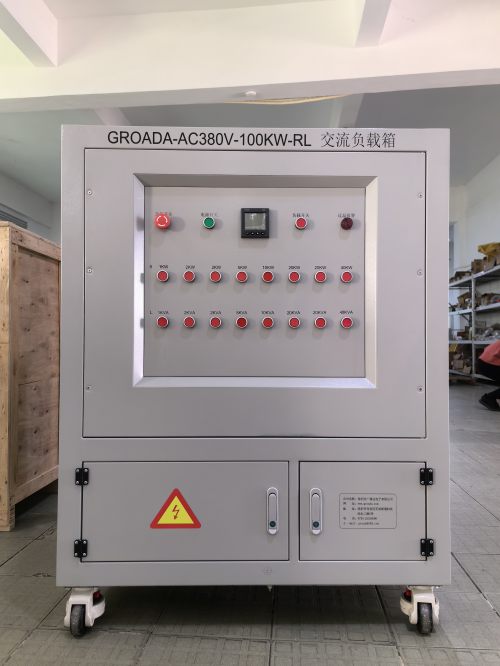
Recent trends show increased demand for portable and intelligent load banks equipped with remote monitoring capabilities. Smart load banks now integrate with cloud-based platforms for real-time diagnostics, predictive maintenance alerts, and automated reporting. This aligns with Industry 4.0 practices and helps reduce downtime in critical infrastructure. Additionally, hybrid RLC load banks are gaining traction for testing renewable energy systems like wind farms or microgrids, where reactive power characteristics must be verified alongside resistive loads.
Based on field data from utility and telecom clients, consistent use of resistive load testing improves generator uptime by up to 25% over time, primarily due to early detection of mechanical wear, poor fuel mixing, or alternator issues. Standards like IEC 60034-1 and IEEE 1157 guide proper load bank application and calibration procedures to ensure test repeatability and compliance across global markets.