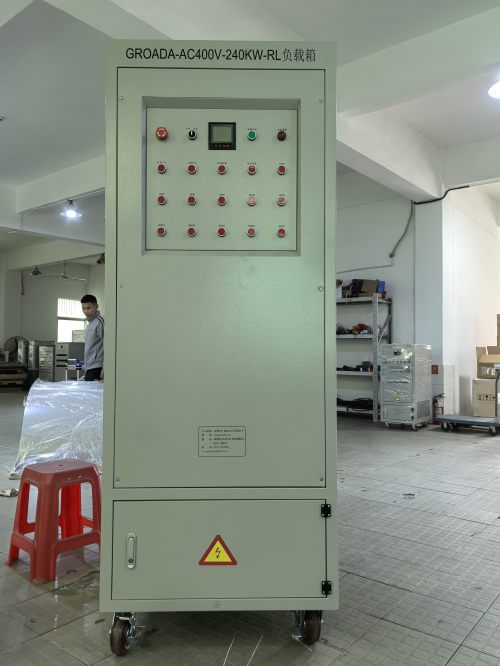
Load bank testing is a critical process used to evaluate the performance, reliability, and safety of generators, UPS systems, and renewable energy installations under real-world load conditions. This method simulates electrical demand without requiring actual power consumption, making it ideal for commissioning, maintenance, and certification purposes.
The main body of load bank testing involves applying controlled resistive, reactive, or combined (RLC) loads to a power source. Resistive load banks convert electrical energy into heat using precision resistor blocks, while reactive load banks—often inductive or capacitive—simulate motor, transformer, or electronic loads that affect power factor. Combination load banks allow engineers to test both active and reactive components simultaneously, ensuring full-system validation. According to IEC 60034-1, such tests must be conducted at specified voltage levels and durations to ensure motor and generator integrity during operational stress.
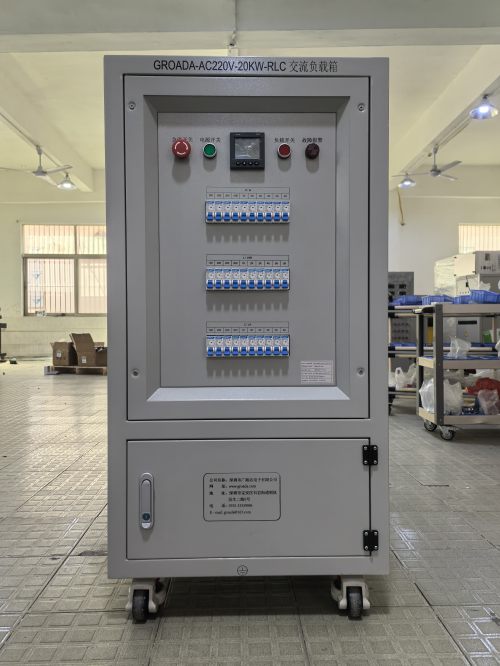
Modern portable load banks are engineered with features like remote monitoring via Modbus or Ethernet, adjustable power factors from 0.1 to 1.0, and thermal protection systems that prevent overheating. They also include built-in digital meters for accurate measurement of voltage, current, power, and power factor—with errors typically below ±0.5%. For example, in an anonymized case study involving a 250 kW diesel generator, a three-phase resistive load bank was used to perform a 4-hour full-load test. The result confirmed stable output within ±2% deviation, identifying minor fuel system inefficiencies later corrected during maintenance.
Safety is paramount in load bank operations. Certified units comply with CE, UL, and CCC standards, featuring emergency stop functions, short-circuit protection, and grounding mechanisms. Mechanical design includes IP54-rated enclosures for dust and water resistance, along with lifting eyes and forklift pockets for safe transport. Regular calibration every 12 months ensures accuracy, especially when used in regulatory compliance testing.
In conclusion, load bank testing remains essential for verifying power system readiness before deployment or after repair. It not only validates equipment performance but also enhances long-term reliability through systematic diagnostics. Whether used in factory acceptance testing, microgrid integration, or wind farm grid synchronization, these tools provide measurable assurance that power sources can handle real-world demands safely and efficiently.