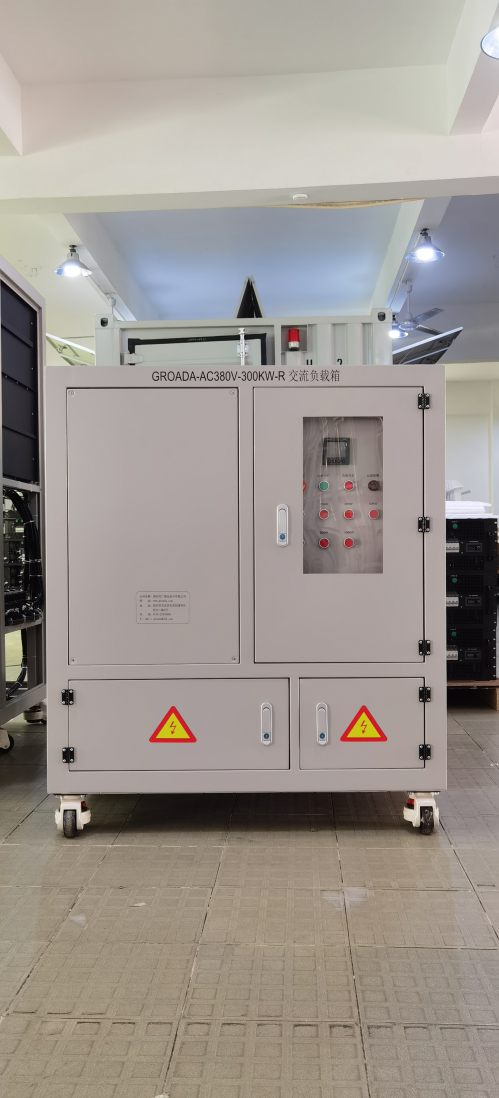
Resistive load banks are essential tools in the testing and validation of electrical generation systems, particularly for generators used in industrial, commercial, and utility applications. These devices simulate real-world electrical loads by converting electrical energy into heat through resistive elements—making them ideal for evaluating a generator’s ability to handle full power output under controlled conditions. Common applications include factory acceptance tests (FAT), commissioning of new power systems, routine maintenance checks, and performance verification before grid interconnection. For example, during a 100 kW generator FAT, a resistive load bank allows engineers to verify steady-state voltage regulation, frequency stability, and thermal performance over a 2–4 hour duration, ensuring compliance with IEC 60348 standards for generator testing.
One key advantage is their simplicity and reliability—no moving parts mean fewer mechanical failures compared to reactive or dynamic load banks. Additionally, they provide accurate power factor control (typically adjustable from 0.8 lag to 1.0) and can be integrated into automated monitoring systems via Modbus RTU or Ethernet protocols for remote diagnostics. However, common issues arise from inadequate cooling, especially in enclosed environments; without proper airflow management, resistor blocks may overheat, leading to reduced lifespan or safety hazards. Modern portable models address this with forced-air cooling and IP54-rated enclosures, improving durability in harsh sites like construction zones or offshore platforms.
Latest trends include modular designs that allow scalability from 50 kW to 500 kW using plug-and-play units, enabling flexible load testing across different generator sizes. Also, smart load banks now feature onboard data logging and cloud-based analytics for predictive maintenance. An anonymized case study from a wind farm in Denmark showed that pre-grid connection testing using a 200 kW resistive load bank revealed a 3% voltage dip issue in the generator’s AVR system, which was corrected before commissioning—saving an estimated €50,000 in potential downtime costs. As renewable integration increases, resistive load banks remain foundational for ensuring grid resilience and reliable backup power.