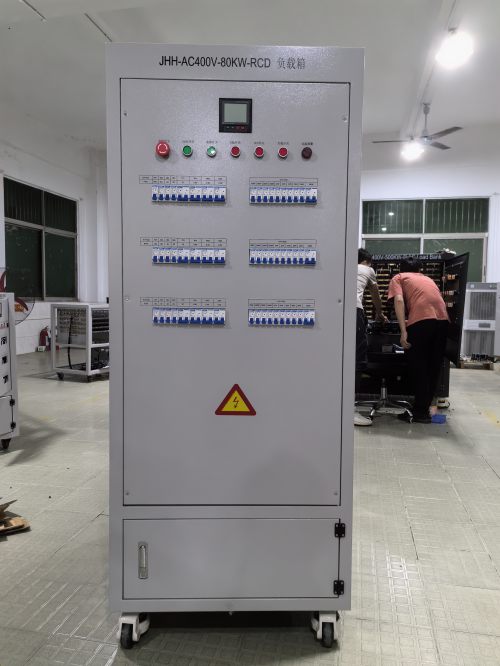
Load bank testing is a critical process used to verify the performance, reliability, and safety of electrical power systems such as generators, UPS units, and renewable energy inverters. This method simulates real-world electrical loads to ensure that equipment functions correctly under various operating conditions before it is deployed in the field.
The main body of load bank testing focuses on three key types: resistive, reactive, and combination (RLC) load banks. Resistive load banks convert electrical energy into heat using precision resistor elements—ideal for testing generator voltage regulation and engine cooling systems. Reactive load banks introduce inductive or capacitive reactance to simulate motor or transformer loads, essential for evaluating power factor correction and excitation system response. Combination load banks offer both resistive and reactive components, enabling comprehensive testing of full-load scenarios in industrial and utility applications.
Modern load banks are designed with advanced features such as digital control interfaces (e.g., Modbus, CAN, Ethernet), remote monitoring capabilities, and precise measurement accuracy (±0.5% for voltage, current, and power). They comply with international standards like IEC 60034-1 (for electric machine testing) and IEEE 1159 (power quality guidelines), ensuring safe and repeatable test results. Safety mechanisms include overtemperature protection, short-circuit detection, E-STOP functions, and certified grounding per UL/CE/CCC requirements.
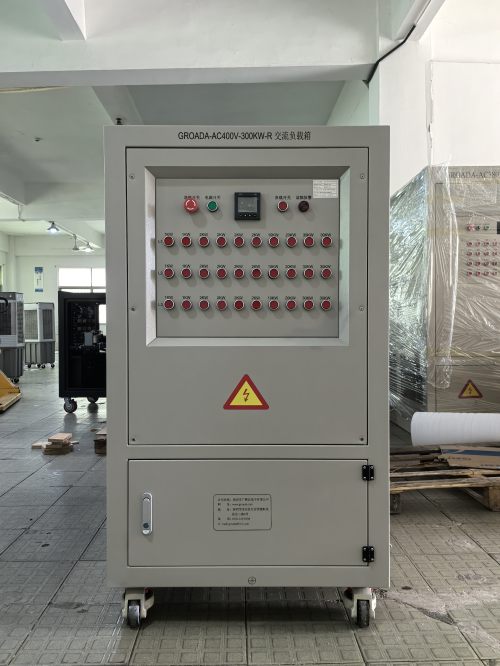
Case studies demonstrate practical use: an anonymized case from a wind farm grid connection test showed that a 500 kW resistive-reactive load bank helped validate synchronization stability over 24 hours, reducing commissioning time by 30%. Another simulated example from a hospital backup generator test revealed that a portable three-phase load bank identified a faulty voltage regulator at 75% load, preventing potential downtime during emergencies.
In conclusion, load bank testing is not optional—it’s foundational to power system integrity. Whether for factory acceptance, preventive maintenance, or new installation validation, proper load testing ensures operational readiness, regulatory compliance, and long-term asset performance. Engineers and facility managers must integrate this practice into every stage of power system lifecycle management.