
Understanding the true cost of a load bank is critical for engineers, project managers, and procurement teams evaluating generator testing, UPS validation, or renewable energy integration. Load bank cost varies significantly based on type, power rating, portability, and features—ranging from $5,000 for basic portable resistive units to over $100,000 for large three-phase reactive-capacitive (RLC) systems used in grid connection testing.
Resistive load banks, which simulate real-world electrical loads by converting energy into heat, are the most common and typically the most affordable option per kilowatt. A 100 kW single-phase resistive load bank might cost between $7,000–$12,000 depending on build quality, cooling method (air vs. water), and control interface (manual vs. remote Modbus). For higher-end applications like wind farm commissioning or diesel generator factory acceptance tests (FAT), a 500 kVA three-phase RLC load bank with digital control, thermal protection, and remote monitoring can exceed $80,000.
Key cost drivers include:
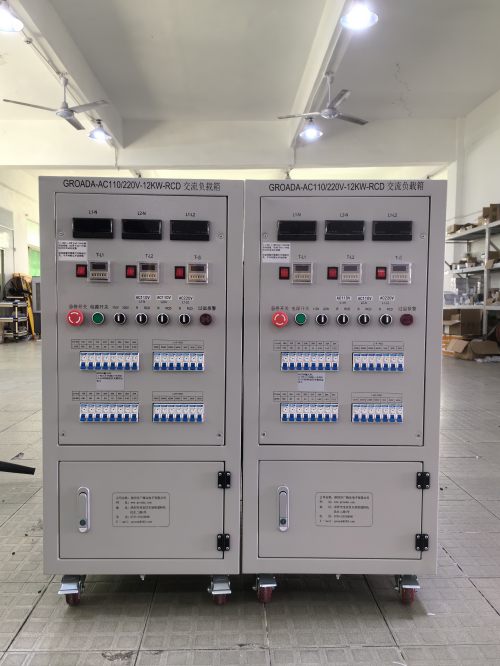
- Power capacity (kW/kVA): Higher ratings require more robust resistor blocks, cooling systems, and structural integrity.
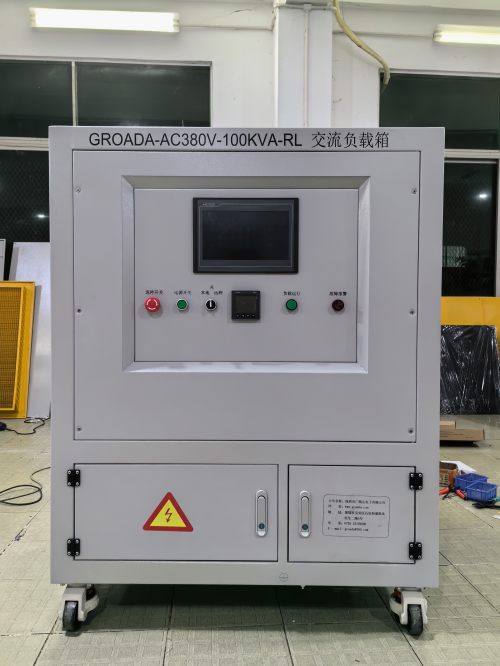
- Cooling method: Air-cooled units are cheaper upfront but less efficient at high loads; water-cooled systems add complexity and cost (~15–25% more).
- Portability: Mobile carts or trailers increase transportability but also weight and mechanical durability costs.
- Compliance: CE, UL, or CCC certification adds design and testing overhead but ensures safety and global market access.
- Remote monitoring: Integration with SCADA via Ethernet or CAN bus increases functionality and price by 10–30%.
According to IEC 60034-1 and IEEE 115, proper load bank testing must simulate actual operating conditions—including power factor variation and thermal cycling—to verify generator performance under full load. In one anonymized case study, a hospital’s backup generator failed during a real blackout because its test was done with an undersized resistive load bank that didn’t account for reactive components. The resulting outage cost over $250,000 in lost revenue and equipment damage—a clear example of how underestimating load bank cost can lead to far greater long-term expenses.
For budget-conscious buyers, consider leasing options or modular systems that allow scalability. However, always prioritize accuracy, safety, and compliance over initial price. As shown in industry reports from Siemens and Eaton, well-designed load banks reduce maintenance cycles and improve system reliability—delivering ROI within 12–24 months through avoided downtime and extended generator life.