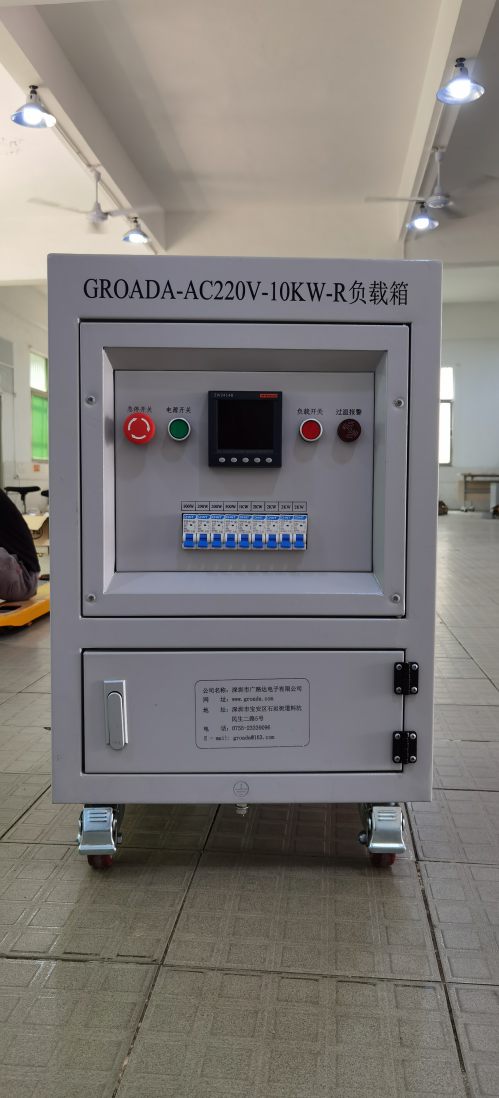
Portable load banks are essential tools for validating the performance, reliability, and safety of electrical power systems—especially generators used in critical infrastructure like hospitals, data centers, and remote industrial sites. Unlike fixed installation load banks, portable units offer flexibility across multiple testing environments, from factory acceptance tests (FAT) to field commissioning. These devices simulate real-world electrical loads by converting electrical energy into heat through resistive, reactive, or combination (RLC) circuits. A well-designed portable load bank must meet IEC 60034-1 standards for motor/generator testing and incorporate advanced thermal management, such as forced-air cooling or liquid cooling, to prevent overheating during prolonged operation. Key parameters include rated power (typically 5–2000 kW), voltage levels (up to 690 V AC), phase configuration (single or three-phase), and precise measurement accuracy (±0.5% for active and reactive power). Modern units often feature digital controls with Modbus or Ethernet interfaces for remote monitoring and automation, enabling operators to log test data, detect anomalies, and adjust load profiles dynamically. Safety is paramount: built-in protections like overtemperature, short-circuit, and E-STOP functions ensure safe operation under high-stress conditions. For example, in an anonymized case study involving a 500 kW diesel generator at a wind farm site, a portable resistive load bank was used to verify full-load performance over 4 hours, confirming stable voltage regulation within ±2% and no thermal shutdowns. This kind of testing helps avoid costly failures during grid connection or emergency use. Maintenance involves regular calibration every 12 months using NIST-traceable equipment and inspection of resistor blocks and fans—components that degrade over time due to thermal cycling. Overall, portable load banks provide engineers with a reliable, efficient, and safe method to test generator health before deployment or after maintenance, ensuring system readiness when it matters most.