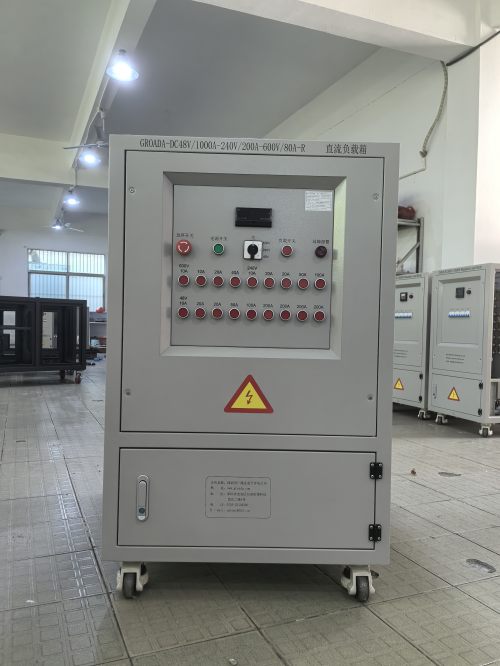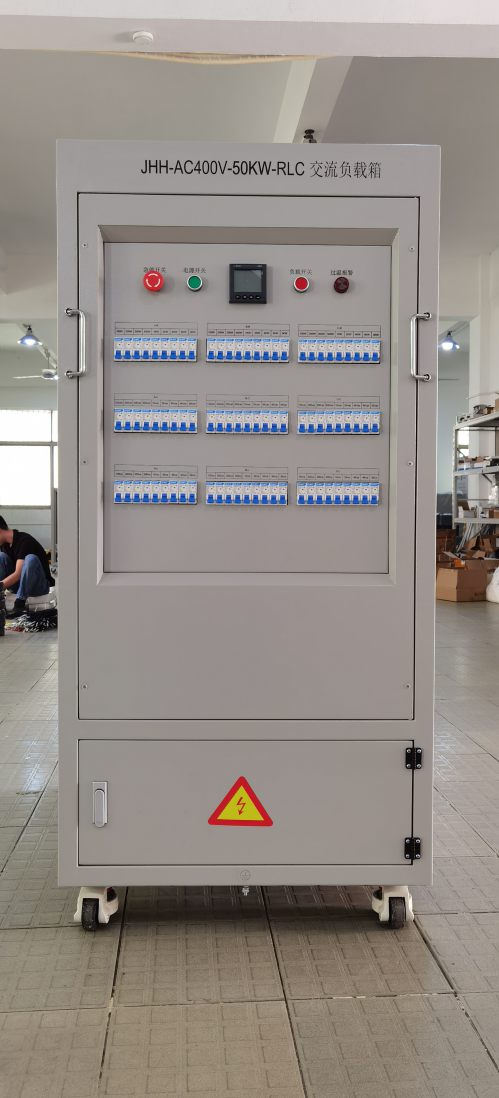
Resistive load banks are essential tools for testing generators, UPS systems, and renewable energy sources such as solar inverters and wind turbines. These devices simulate real-world electrical loads by converting electrical energy into heat through precision resistors, enabling engineers to verify performance under full or partial load conditions. A typical resistive load bank can handle up to 1,000 kW at 480 V three-phase and offers adjustable power factors from 0.8 lagging to 1.0, allowing flexible simulation of various grid scenarios.
In practical applications, resistive load banks are widely used in factory acceptance testing (FAT) of diesel generators, ensuring they meet rated output before delivery. They also support commissioning of new installations, like microgrids or data centers, where system stability under load is critical. For example, a simulated case study involving a 500 kW generator used a 3-phase resistive load bank at 90% load for 4 hours, revealing unexpected voltage regulation issues that were resolved before site installation.
Advantages include high accuracy in measuring active power (±0.5%), built-in thermal protection to prevent overheating, and remote monitoring via Modbus or Ethernet interfaces—key for unattended operations. However, common problems arise from inadequate cooling in high-ambient environments, leading to reduced efficiency or false tripping due to temperature sensors. Maintenance involves annual calibration using NIST-traceable equipment and periodic replacement of resistor blocks and cooling fans every 3–5 years.
Latest trends show integration with IoT platforms for predictive maintenance and cloud-based logging, aligning with Industry 4.0 standards. As renewable energy systems grow, the demand for portable, multi-functional load banks that combine resistive, reactive, and capacitive elements increases—supporting comprehensive grid synchronization tests. Compliance with IEC 60034-1 and IEEE 1547 ensures safety and interoperability in global markets.