
Resistive load banks are essential tools in the testing and validation of electrical power systems, particularly for generators, uninterruptible power supplies (UPS), and backup power solutions. These devices simulate real-world electrical loads by converting electrical energy into heat through resistive elements, allowing engineers to verify system performance under varying conditions. A typical resistive load bank can be used for both single-phase and three-phase applications, with ratings from 10 kW up to several megawatts. They are commonly employed during factory acceptance tests (FAT), commissioning, and periodic maintenance checks.
One major advantage of resistive load banks is their simplicity and reliability—since they only dissipate active power (real power), they provide a stable and predictable test environment. This makes them ideal for evaluating generator fuel efficiency, cooling system adequacy, and voltage regulation. For example, in a simulated case study at a data center, a 500 kW resistive load bank was used to test a diesel generator’s ability to handle full load over 4 hours. The test revealed a 3% voltage drop due to inadequate excitation control, which was later corrected by adjusting the AVR settings.
However, common problems include overheating if ventilation is insufficient or thermal protection is misconfigured. In one anonymized case study involving an industrial plant, a portable load bank failed after 2 hours of continuous operation because the internal fans were clogged with dust—a problem that could have been avoided with routine maintenance. Another challenge is ensuring proper grounding and compliance with IEC 60034-1 and IEEE 115 standards for motor and generator testing, which mandate safe load application and temperature monitoring.
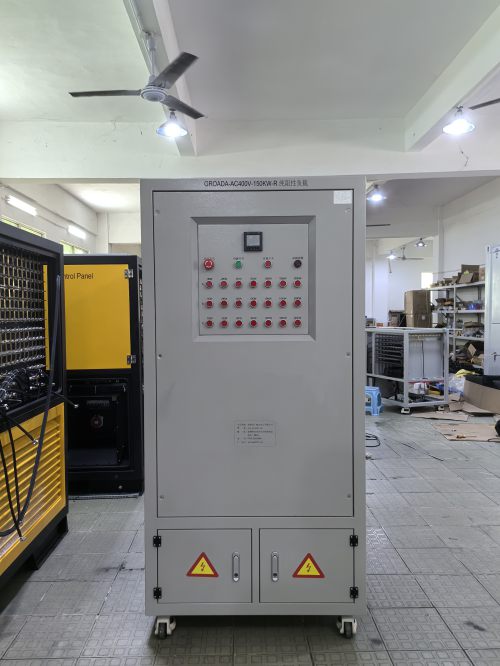
The latest trend is the integration of smart controls and remote monitoring via Modbus, CAN, or Ethernet interfaces. Modern load banks now offer real-time measurement accuracy within ±0.5% for voltage, current, and power factor, enabling automated load cycling and data logging. Additionally, water-cooled models are gaining traction in high-power environments like wind farms or microgrids where air cooling becomes inefficient. As renewable energy systems grow more complex, the demand for precise, programmable load banks capable of simulating reactive and capacitive loads (in combination RLC configurations) is rising.









