
In the field of electrical power systems, ensuring reliability, safety, and performance under real-world conditions is paramount—especially for generators, uninterruptible power supplies (UPS), and renewable energy systems like wind turbines or solar farms. One of the most effective methods to validate these systems before commissioning or during routine maintenance is through load bank testing. Among the various types of load banks—resistive, reactive, capacitive, and combination (RLC)—resistive load banks are the most commonly used due to their simplicity, cost-effectiveness, and ability to simulate real power demands accurately.
A resistive load bank applies a purely resistive load to an electrical system by converting electrical energy into heat via precision resistor elements. This mimics the behavior of actual loads such as lighting, heating appliances, and industrial machinery that draw active power (kW) without significant reactive components. The primary objective of using a resistive load bank is to test how well a generator or power source can handle full-load conditions over time while maintaining stable voltage and frequency output. It also allows engineers to verify mechanical integrity, cooling system effectiveness, fuel consumption patterns, and emissions compliance under varying load profiles.
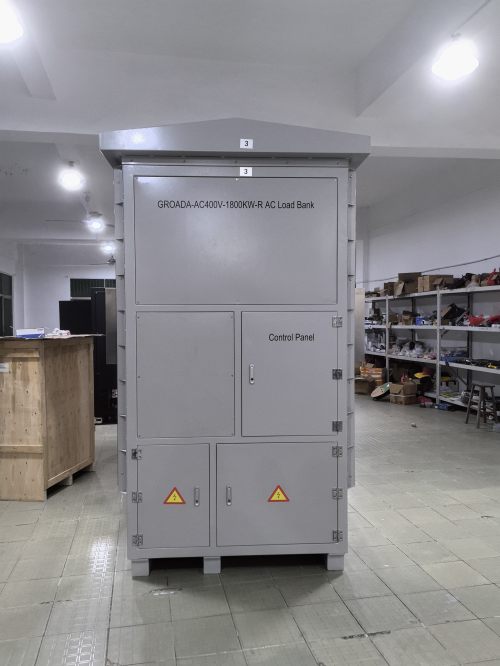
According to IEC 60034-1, which governs rotating electrical machines including generators, periodic testing under simulated full-load conditions is essential to ensure long-term operational safety and efficiency. In fact, many international standards—including IEEE Std 1157 for generator testing—recommend load bank tests as part of factory acceptance testing (FAT) and site commissioning procedures. These protocols not only confirm design specifications but also identify potential issues such as overheating, inadequate fuel delivery, poor governor response, or suboptimal engine performance early in the process.
Resistive load banks come in both fixed and portable configurations, with power ratings ranging from 5 kW up to several megawatts. They are typically available in single-phase or three-phase configurations and can be designed for either AC or DC applications depending on the equipment being tested. For example, a typical three-phase resistive load bank used in diesel generator validation might have a rated capacity of 500 kW at 480 VAC, with adjustable load steps from 5% to 100% of full capacity in increments of 5–10%. Such flexibility enables gradual ramp-up testing, which helps avoid thermal shock to critical components like alternators and prime movers.
The internal structure of a resistive load bank consists of high-quality alloy resistor blocks, often made from nichrome or similar materials, arranged in modular units. Each block is connected in parallel or series depending on the desired resistance value and current handling capability. Air-cooled models use forced convection fans for heat dissipation, while water-cooled variants circulate coolant through heat exchangers to manage higher thermal loads. Thermal protection mechanisms such as temperature sensors, automatic shutdown relays, and overheat alarms ensure safe operation even when environmental conditions change unexpectedly.
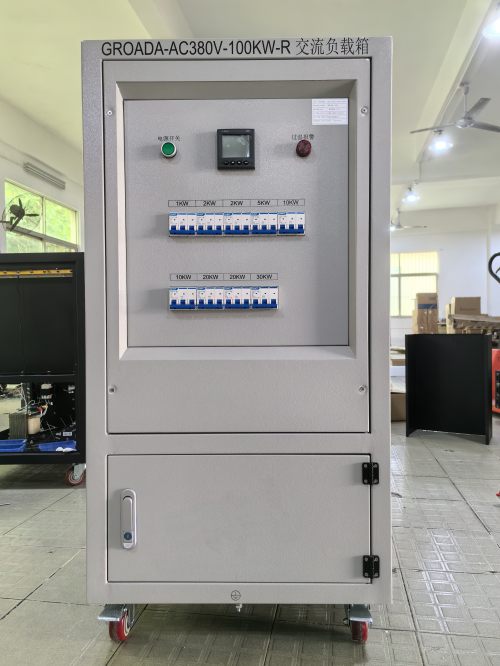
For instance, during a recent anonymized case study involving a 2 MW diesel generator installed in a remote mining facility, a resistive load bank was used to perform a 4-hour continuous load test at 100% capacity. Key parameters measured included voltage stability (<±2%), frequency regulation (<±0.5 Hz), exhaust gas temperature rise, and fuel consumption rate. The test revealed that the generator’s cooling fan control logic needed adjustment to prevent overheating at partial load levels—a finding that would have otherwise gone undetected until a major failure occurred in the field. As a result, the operator implemented firmware updates and scheduled additional inspections based on the load bank data, significantly improving long-term reliability.
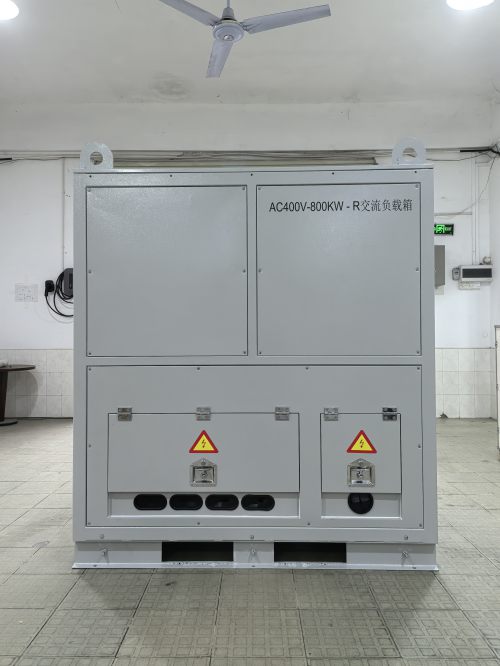
Modern resistive load banks are increasingly equipped with advanced digital controls and communication interfaces such as Modbus RTU/TCP, CAN bus, Ethernet, and RS-485. This allows integration with SCADA systems, remote monitoring platforms, and predictive maintenance software. Some models offer real-time measurement of active power (kW), apparent power (kVA), power factor (PF), current (A), and voltage (V), enabling precise diagnostics. Calibration accuracy is typically ±1% for all major electrical parameters, meeting the requirements outlined in IEC 61010-1 for electrical safety testing equipment.
Safety features are another critical aspect of modern resistive load banks. Compliance with CE, UL, and CCC certifications ensures adherence to regional electrical safety standards. Additional protections include ground fault detection, short-circuit protection, overvoltage/undervoltage tripping, emergency stop buttons, and redundant sensor systems. Mechanical design considerations such as IP54-rated enclosures, forklift pockets, lifting eyes, and anti-vibration mounts make them suitable for rugged environments and frequent relocation.
Maintenance schedules for resistive load banks vary based on usage intensity but generally recommend annual calibration and inspection of resistor blocks, fan assemblies, and control electronics. Consumable parts like resistor elements may last 5–10 years under normal operating conditions, though heavy-duty operations (e.g., repeated full-load cycling) may reduce this lifespan to 2–3 years. Spare parts lists should include replacement resistor modules, thermal fuses, control boards, and cooling fans. Regular cleaning of heat sinks and airflow paths prevents dust accumulation, which can lead to premature component failure.
Portable resistive load banks are especially popular in field service applications where mobility is crucial. A compact unit weighing around 450 kg can deliver up to 200 kW at 400 VAC and is easily transported by truck or trailer. Its robust chassis and weather-resistant casing allow deployment in outdoor sites—even in humid or dusty climates. This portability makes it ideal for testing backup power systems at hospitals, data centers, and telecom towers where downtime is unacceptable.
From an economic standpoint, investing in a quality resistive load bank pays off quickly through reduced unscheduled downtime, optimized maintenance planning, and compliance with regulatory requirements. According to a 2022 white paper published by the International Electrotechnical Commission (IEC), organizations that routinely conduct load testing report a 30–40% decrease in unplanned outages compared to those relying solely on visual inspections or basic functionality checks.
In summary, resistive load bank testing remains one of the most trusted tools in power system validation across industries—from marine vessels and aircraft ground support units to microgrids and hybrid power plants. By simulating realistic load profiles, engineers gain actionable insights into system behavior under stress, ensuring readiness for peak demand scenarios. Whether deployed in a lab setting or on-site, a properly maintained and calibrated resistive load bank delivers consistent, repeatable results that build confidence in infrastructure resilience.









