
Portable load banks are essential tools for validating the performance of generators, especially in field applications such as construction sites, remote power stations, and emergency backup systems. Unlike fixed load banks used in laboratories or factories, portable models offer flexibility in deployment while maintaining high accuracy in simulating real-world electrical loads. This makes them indispensable for both pre-installation testing and periodic maintenance checks.
The main body of this article explores how portable load banks—typically resistive, reactive, or combination (RLC) types—enable comprehensive generator evaluation. Resistive load banks simulate pure resistive loads (like lighting or heating), while reactive load banks mimic inductive or capacitive loads (such as motors or transformers). A combination load bank allows engineers to test generators under mixed load conditions, closely replicating actual operating environments. For example, a three-phase portable load bank with a 50 kW capacity can be used to verify generator voltage regulation, frequency stability, and fuel efficiency across multiple load steps (e.g., 25%, 50%, 75%, 100%).
Key technical parameters include rated power (kW/kVA), phase configuration (single or three-phase), power factor adjustment range (typically 0.8 lagging to 1.0 leading), thermal protection mechanisms, and remote monitoring capabilities via Modbus or Ethernet interfaces. These features ensure safe and accurate load testing even in harsh environments. Standards like IEC 60034-1 (rotating machines – performance) and IEEE 1547 (distributed resources interconnection) guide design practices for safety, insulation, and performance consistency.
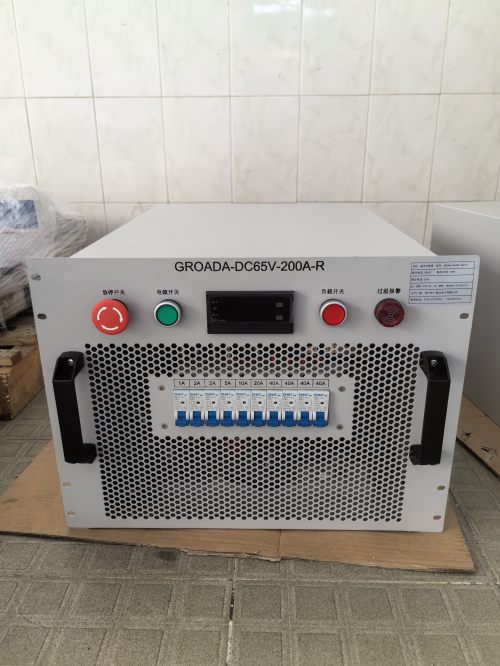
Case studies show that using portable load banks improves system reliability: one anonymized case from a mining site demonstrated a 15% increase in generator uptime after corrective actions identified during load testing. Another simulated example in a microgrid integration project revealed that without proper load bank testing, the inverter-based generation unit failed synchronization due to poor reactive power handling—a problem detected only when a reactive load bank was applied.
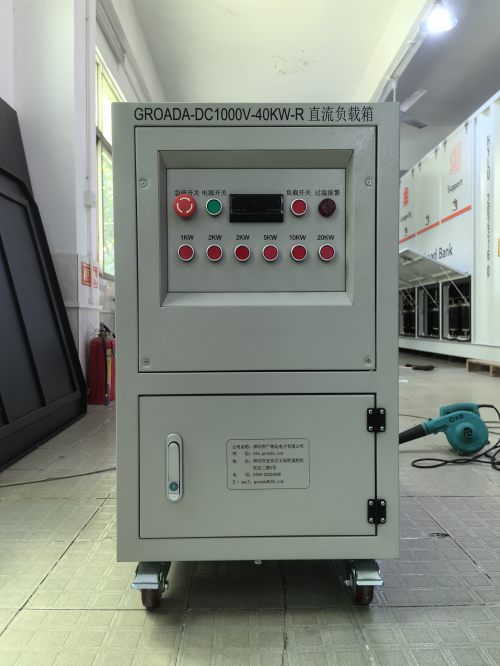
In conclusion, portable load banks provide critical validation for generator health, ensuring operational readiness, regulatory compliance, and long-term asset performance. With modern designs incorporating digital controls, cooling solutions (air/water), and portability enhancements (forklift pockets, lifting eyes), these tools remain vital across energy sectors—from utility-scale to off-grid installations.