
AC inductive load banks are specialized devices used to simulate real-world reactive power demands in electrical systems—especially for testing generators, UPS units, and renewable energy inverters. Unlike resistive load banks that only draw active power, inductive load banks introduce lagging current by mimicking the behavior of motors, transformers, and other inductive loads. This makes them essential when evaluating system performance under low power conditions, such as during generator no-load startup or partial-load operation typical in microgrids.
A key advantage of modern low-power AC inductive load banks lies in their ability to precisely control power factor (PF), typically adjustable from 0.1 to 0.9 lagging, allowing engineers to test how a system behaves at different levels of reactive demand. These units are often compact, portable, and suitable for both laboratory and field environments. Their design commonly includes thermal protection, remote monitoring via Modbus or Ethernet, and safety features like overtemperature and short-circuit protection, aligning with IEC 60034-1 standards for motor and generator testing.
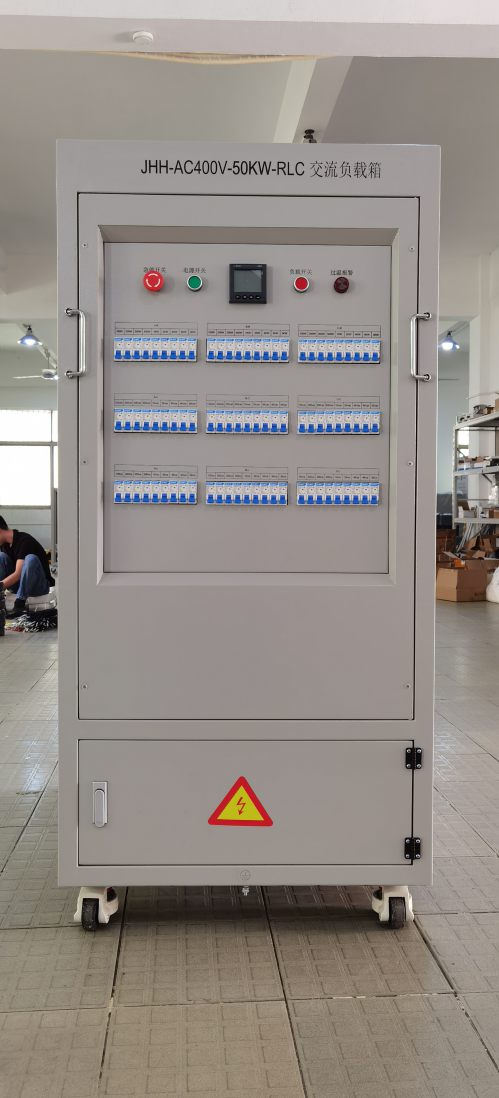
Inductive load banks find use in critical applications such as factory acceptance testing (FAT) of diesel generators, grid compliance checks for wind farms, and battery discharge testing for backup power systems. For instance, an anonymized case study from a European energy firm showed that using a 5 kW inductive load bank helped identify voltage instability in a solar-powered microgrid at 20% load—something resistive-only testing would have missed. By simulating actual inductive loads, these systems ensure reliability, prevent premature equipment failure, and support efficient energy management.
Whether you're testing a small-scale industrial generator or validating the performance of a new inverter, low-power AC inductive load banks offer accurate, repeatable results without excessive heat generation or unnecessary energy consumption—a smart choice for engineers focused on precision and efficiency.