
A portable load bank is an essential tool in electrical engineering, especially for testing generators, UPS systems, and renewable energy installations such as wind turbines or solar farms. These devices simulate real-world electrical loads to ensure that power generation equipment operates reliably under full, partial, or variable load conditions before being deployed or during periodic maintenance. Unlike fixed load banks used in laboratories or factory acceptance tests (FAT), portable units are designed for field use—offering flexibility, ease of transport, and rapid setup at remote locations.
The core function of a resistive load bank is to convert electrical energy into heat by using high-power resistor elements. When connected to a generator, it draws current from the system while maintaining a controlled power factor (typically 1.0 for pure resistive loads). This allows engineers to verify mechanical stability, fuel efficiency, cooling performance, and voltage regulation across different load levels—from 25% to 100% capacity. For more comprehensive testing, reactive load banks introduce inductive or capacitive components, enabling phase shift simulation critical for assessing reactive power handling capabilities in three-phase systems. A combination RLC load bank provides both resistive and reactive characteristics in one unit, making it ideal for advanced grid-connected applications like microgrids or hybrid power systems.
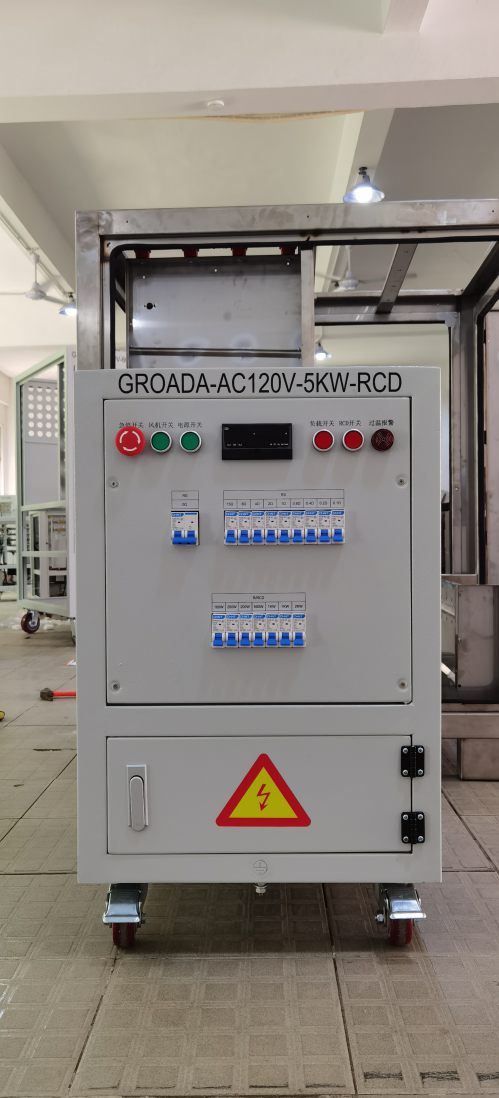
Modern portable load banks often integrate digital control systems with Modbus RTU or TCP/IP communication protocols, allowing remote monitoring via smartphones, tablets, or PC-based software platforms. Some models support automatic load stepping sequences—where the device increases load incrementally over time—to simulate gradual startup scenarios common in industrial plants or emergency backup systems. Advanced units may also feature built-in data logging, temperature sensors, and real-time power factor measurement, which enhances diagnostic accuracy and reduces manual error during inspections.
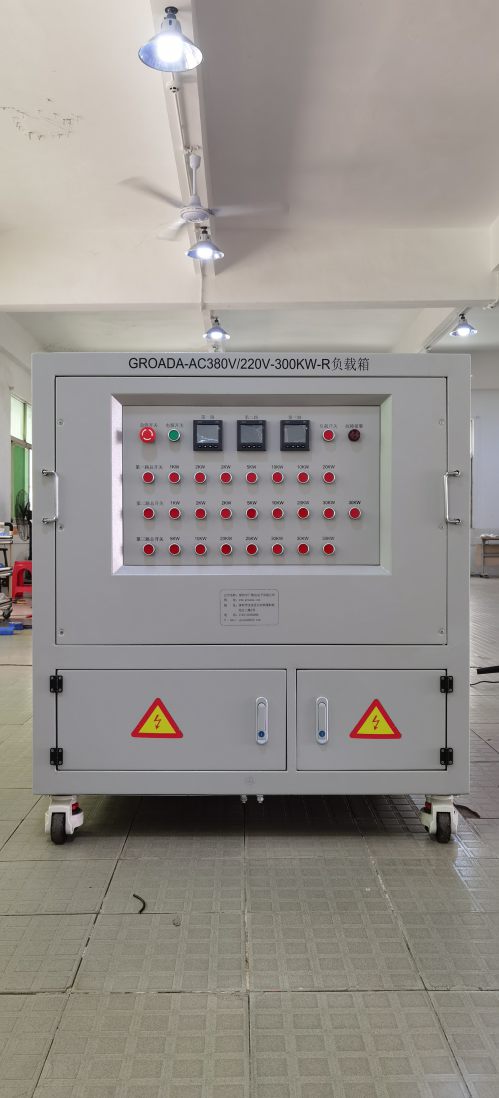
According to IEC 60034-1, electric motors and generators must undergo load testing under specified operating conditions to confirm compliance with torque-speed curves and thermal limits. Similarly, IEEE Standard 115 recommends periodic load testing of diesel generators used in standby power applications to prevent stalling, carbon buildup, and premature wear. In practice, these standards guide manufacturers in designing load banks that can replicate realistic load profiles—including harmonic distortion, unbalanced phases, and transient events—without damaging sensitive equipment.
In an anonymized case study conducted by a utility company in Southeast Asia, a 500 kW portable resistive load bank was used to test a newly installed diesel generator prior to commissioning. The test included four stages: no-load run (10 minutes), 25% load (30 min), 50% load (30 min), 75% load (30 min), and full-load (60 min). During this process, the generator’s voltage regulation improved from ±3% at idle to ±1.5% at full load, confirming its ability to maintain stable output under peak demand. Additionally, the load bank recorded consistent frequency response (59.8–60.2 Hz) and minimal harmonic distortion (<3%), indicating proper excitation system behavior.
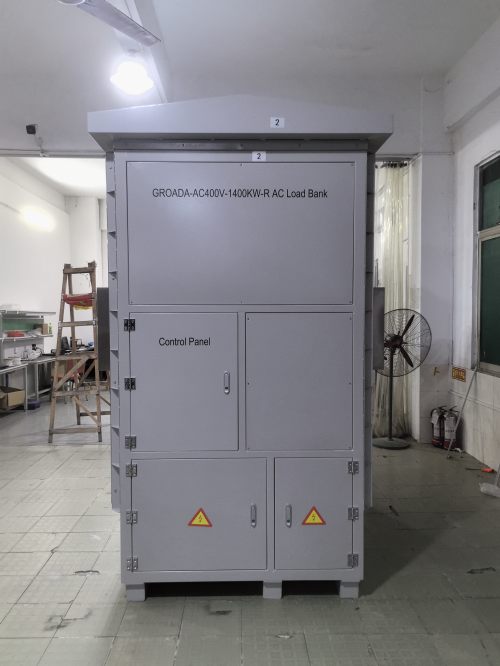
Another simulated example involved a 150 kVA three-phase reactive load bank used to evaluate a battery-based UPS system intended for a hospital’s critical care unit. By applying varying lagging and leading power factors (from 0.8 lag to 0.9 lead), engineers validated the system's capability to handle fluctuating loads typical in medical environments where lighting, HVAC, and life-support equipment operate simultaneously. The results showed that the UPS maintained output voltage within ±2% tolerance even under extreme reactive loading, meeting the facility’s reliability requirements.
Key technical parameters define the suitability of a portable load bank for specific tasks. Rated power ranges from 10 kW up to 5 MW depending on application; single-phase units are suitable for small-scale generators or residential setups, while three-phase models are standard for commercial, industrial, and grid-scale installations. Voltage levels typically span from 120 VAC to 690 VAC, accommodating various generator outputs. Current ranges vary from 10 A to over 1000 A per phase, necessitating robust cooling mechanisms such as forced air (fan-assisted) or water-cooled systems for continuous operation.
Thermal management is crucial—especially in enclosed spaces or hot climates. Most modern load banks incorporate overtemperature protection, with automatic shutdown at preset thresholds (e.g., 120°C internal resistor temperature). IP ratings (such as IP54 or higher) ensure protection against dust ingress and splashing water, making them suitable for outdoor or harsh indoor environments. Mechanical design considerations include durable steel chassis, fork-lift pockets, lifting eyes, and modular construction for easy assembly/disassembly—facilitating transportation between sites.
Safety features are equally important. Units must comply with regional certifications including CE (Europe), UL (North America), and CCC (China), ensuring grounding integrity, short-circuit protection, and E-stop functionality. Internal circuit breakers, fuses, and surge suppressors prevent damage from accidental overloads or voltage spikes. Remote emergency stop buttons allow operators to halt operations instantly without physical access to the equipment.
Maintenance practices should follow manufacturer guidelines. Calibration cycles usually range from 6 to 12 months, depending on usage intensity. Essential tools include calibrated multimeters, clamp meters, and thermocouples for verifying resistance values and measuring junction temperatures. Consumable parts like resistor blocks (typically rated for 10,000+ hours of operation) and fans (with expected lifespans of 5–8 years) should be replaced periodically to avoid degradation in performance.
For procurement teams, understanding the difference between active and passive load banks is key. Passive load banks rely solely on resistors, inductors, and capacitors to dissipate power, offering simplicity and low cost. Active load banks, however, use power electronics to inject reverse power back into the source—a method known as regenerative load banking—which can reduce electricity consumption by up to 40%. While initially more expensive, regenerative systems pay off in facilities where frequent testing is required, such as data centers or manufacturing plants.
In conclusion, portable load banks are indispensable assets for ensuring the safety, efficiency, and long-term reliability of power generation systems. Whether conducting factory acceptance testing, commissioning new installations, or performing routine preventive maintenance, they offer engineers precise control over load conditions and actionable insights through detailed measurements. As energy systems grow more complex—with increasing integration of renewables, storage, and smart grids—the role of intelligent, adaptable load testing equipment will only expand. With proper selection, calibration, and operator training, portable load banks remain one of the most effective methods for validating power system readiness in any environment.