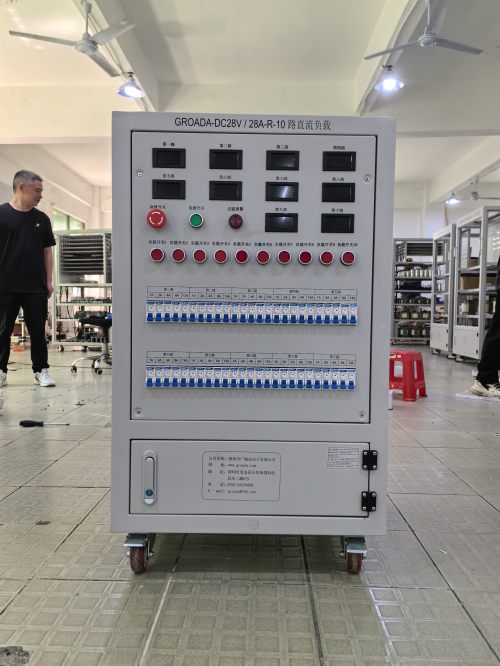
Resistive load banks are essential tools for testing the performance, reliability, and safety of electrical power systems, especially generators, UPS units, and renewable energy sources. These devices simulate real-world electrical loads by converting electrical energy into heat through high-power resistors. They are commonly used during factory acceptance tests (FAT), commissioning, preventive maintenance, and grid integration of power generation assets. A typical resistive load bank operates at a power factor of 1.0, meaning all current drawn is in phase with voltage—ideal for evaluating mechanical and thermal stress on prime movers such as diesel or gas engines. For three-phase applications, these load banks provide balanced or unbalanced loading across phases, enabling comprehensive system diagnostics. Modern designs include features like remote control via Modbus RTU or Ethernet, real-time monitoring of voltage, current, active power, and temperature, and automatic shutdown if overheating occurs. According to IEC 60034-1, motor and generator testing standards require stable and controllable loading conditions, which resistive load banks reliably provide. In an anonymized case study from a wind farm integration project in Northern Europe, a 500 kW resistive load bank was used to validate the grid synchronization capability of a 1 MW wind turbine system over a 24-hour test period, resulting in improved fault ride-through behavior and compliance with local utility regulations. Safety certifications such as CE, UL, and CCC ensure safe operation in industrial environments. Key technical parameters include rated power (up to 1,000 kW per unit), voltage levels (from 230 V to 690 V AC), cooling methods (air or water), and IP protection ratings (typically IP23 or higher). Regular calibration (every 12 months) and inspection of resistor blocks and fans maintain accuracy and longevity. With increasing demand for reliable backup power in data centers, hospitals, and critical infrastructure, resistive load banks remain indispensable for ensuring uninterrupted power supply and meeting international performance standards.