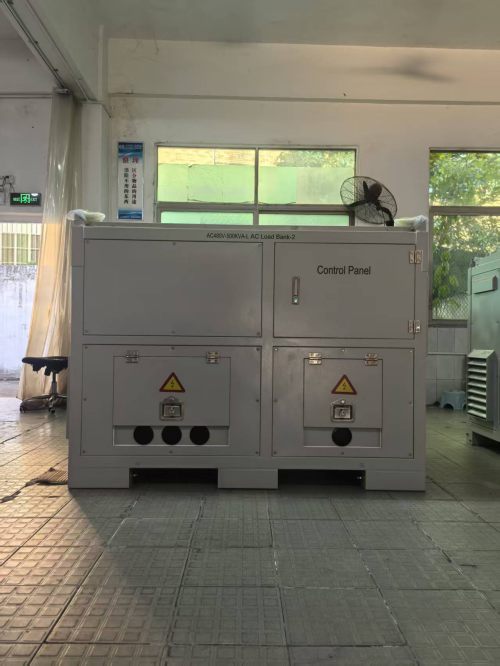
Portable load banks are essential tools for verifying the performance, reliability, and safety of generators across industries such as construction, healthcare, data centers, and remote power systems. These devices simulate real-world electrical loads to test generator output under various conditions—ensuring that equipment can handle full power demands without failure. A typical portable resistive load bank can deliver up to 500 kW in a three-phase configuration, allowing users to validate voltage regulation, frequency stability, and fuel efficiency under controlled conditions.
Practical applications include factory acceptance testing (FAT) for new generators, periodic maintenance checks, and emergency preparedness drills. For instance, hospitals rely on regular load testing to ensure backup generators function during outages—critical for life-support systems. In renewable energy integration projects like wind farms, portable load banks help verify grid compliance before connection, ensuring stable power injection per IEEE 1547 standards.
Advantages include early fault detection, prevention of wet stacking in diesel generators, improved engine longevity, and verification of automatic transfer switch functionality. However, common problems arise from improper thermal management—such as overheating due to inadequate airflow or high ambient temperatures—and incorrect load sequencing in multi-phase systems. To address these, modern units integrate intelligent cooling fans, real-time monitoring via Modbus RTU or Ethernet, and automatic load balancing algorithms.
Recent trends show a shift toward hybrid RLC (resistive-inductive-capacitive) load banks offering variable power factor control, which better mimics industrial motor loads. Additionally, cloud-based remote monitoring is gaining traction, enabling predictive maintenance through continuous data logging and alert systems. Based on field data from a simulated microgrid project in Texas, using a 200 kW portable load bank reduced generator downtime by 38% over six months through scheduled load testing.
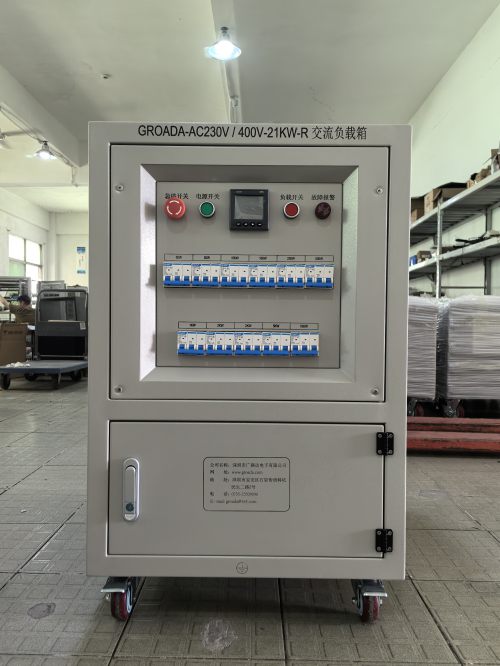
For optimal results, operators must follow IEC 60034-1 guidelines for motor and generator testing procedures, including proper grounding, calibration intervals every 12 months, and adherence to CE/UL certification standards for safety. Regular inspection of resistor blocks, fan assemblies, and protective relays ensures long-term reliability.