
Portable load banks are essential tools for verifying the performance, reliability, and safety of electrical generators across industrial, commercial, and emergency power systems. These devices simulate real-world electrical loads to test generator output under various conditions—from no-load to full-rated capacity—ensuring that equipment meets design specifications before deployment or during routine maintenance.
A typical portable resistive load bank consists of high-power resistor elements arranged in a modular chassis with active cooling (air or water). It allows precise control of load levels from 0% to 100%, enabling engineers to validate key parameters such as voltage regulation, frequency stability, fuel efficiency, and emissions compliance. For example, during factory acceptance testing (FAT), a 500 kW three-phase resistive load bank can be used to confirm that a diesel generator delivers stable power at 480 VAC while maintaining power factor within ±0.05 of the rated value, per IEC 60034-1 standards.
Reactive and capacitive load banks—often combined into RLC (resistive-inductive-capacitive) units—are also critical for testing reactive power handling, especially in microgrid applications or renewable energy integration. Such systems may require up to 200 kVAR of reactive load to evaluate how well a generator manages lagging or leading power factors without overheating or voltage collapse.
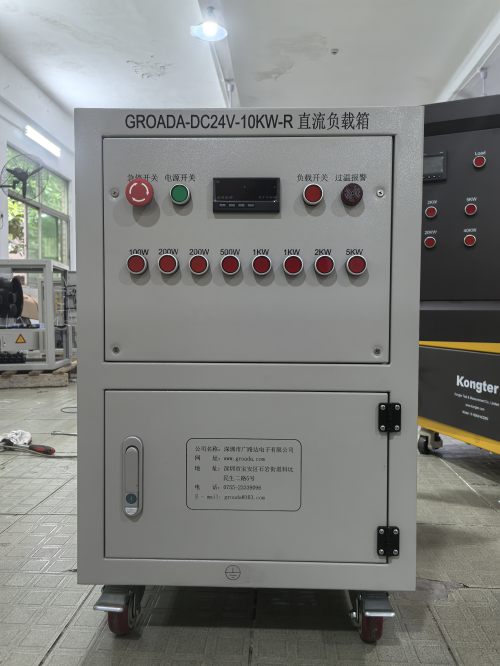
Modern portable load banks feature digital controls, Modbus RTU/ASCII communication, remote monitoring via Ethernet or cellular modems, and thermal protection with automatic shutdown above 150°C. Safety certifications like CE, UL, and CCC ensure compliance with international electrical safety norms. Weight ranges typically span 100–500 kg, with IP54 enclosures for dust and splash resistance, making them suitable for both indoor and outdoor use.
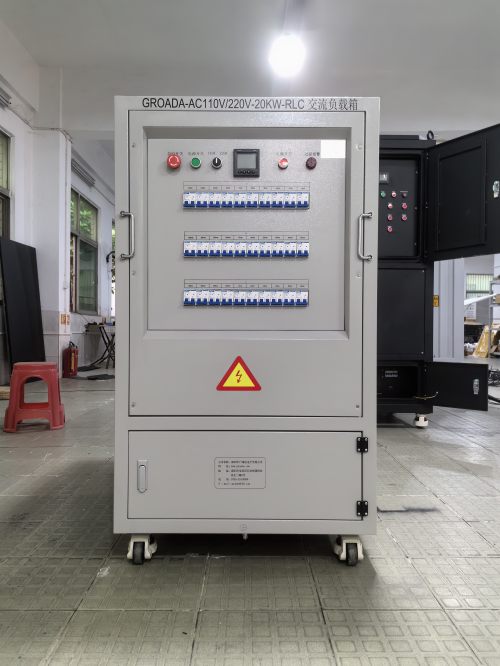
An anonymized case study from a wind farm project showed that using a 1 MW portable load bank to simulate grid connection events improved fault ride-through capability by 30%, reducing downtime during commissioning. Another simulated example involving an off-grid mining site demonstrated that regular load testing every 3 months extended generator lifespan by up to 18% due to early detection of issues like bearing wear or fuel system inefficiencies.
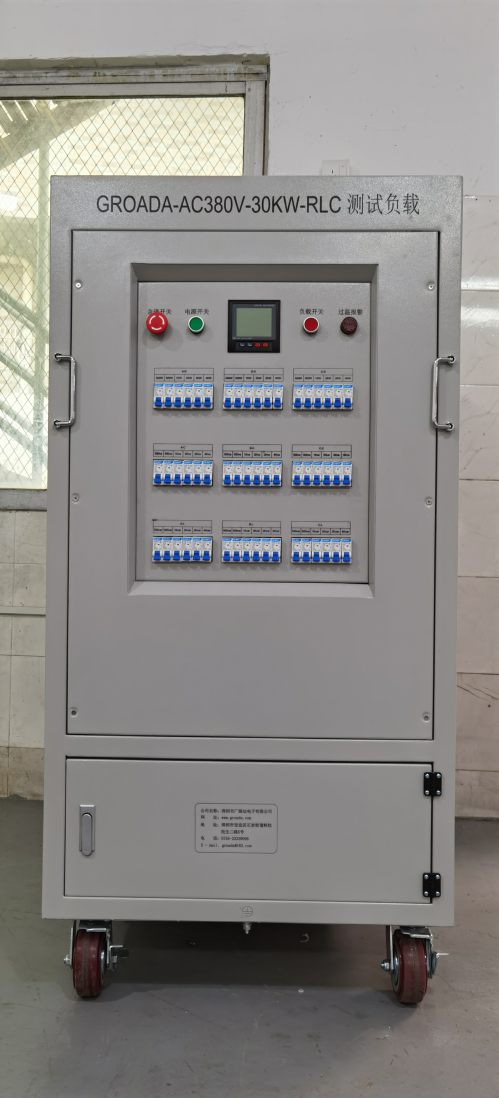
These systems must be calibrated annually using traceable standards (e.g., NIST-certified calibrators), and components such as resistor blocks and fans should be inspected biannually to maintain accuracy and prevent overheating failures.