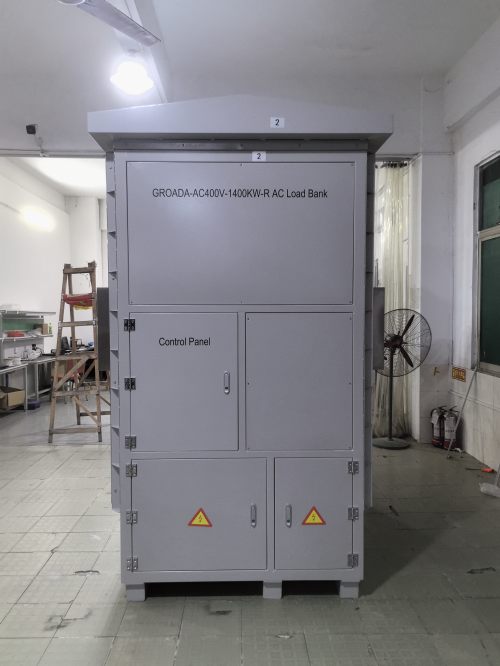
Resistive load banks are essential tools in the testing and validation of generators, uninterruptible power supplies (UPS), and backup power systems. These devices simulate real-world electrical loads by converting electrical energy into heat through high-power resistors, allowing engineers to verify system performance under full, partial, or varying load conditions. According to IEC 60034-1, generator testing must include load acceptance procedures to ensure compliance with output stability, voltage regulation, and efficiency metrics under different loading scenarios. A typical resistive load bank can operate across single-phase or three-phase configurations, with power ratings ranging from 5 kW to 2,000 kVA, making them suitable for both small-scale industrial applications and large utility-scale installations.
Key technical parameters include precise measurement accuracy (±0.5% for active and reactive power), adjustable power factor control (typically 0.8 lagging to 1.0 unity), and robust thermal management via forced-air cooling or water-cooled systems. Modern load banks integrate digital controls with Modbus RTU or Ethernet interfaces for remote monitoring and automated load cycling, enabling efficient testing protocols without constant on-site supervision. Safety features such as overtemperature protection, short-circuit detection, and emergency stop functionality meet UL/CE/CCC standards, ensuring safe operation in diverse global markets.
An anonymized case study from a power plant in Southeast Asia demonstrated that using a 1,200 kW resistive load bank during factory acceptance testing (FAT) allowed engineers to identify a governor response delay at 75% load—corrected before commissioning, avoiding costly field failures. Another simulated example involving a data center UPS system revealed that 90 minutes of continuous 80% load testing improved battery health diagnostics and confirmed proper inverter synchronization.
These tests not only validate performance but also help prevent unexpected outages, optimize maintenance schedules, and extend equipment lifespan. With regular calibration every 12 months and replacement of resistor blocks every 3–5 years based on usage intensity, resistive load banks remain a cost-effective and reliable method for power system integrity assurance.